Chris Sund on the Goals We Keep Putting Off

In You Are Capable of More, Sund explores what keeps people from following through on the things that matter to them.

Chris Sund wrote much of You Are Capable of More on his phone at the gym. After dinner and time with his boys, he would write while walking on a treadmill, think through ideas on the StairMaster and revise between sets. The book came together around work and family responsibilities, in the time he could find to keep moving it forward.

Finding that time meant working through a challenge Sund explores throughout the book. People can know what matters to them and still spend years putting it off. Work, family responsibilities and daily routines fill the calendar, while a personal goal keeps moving to next week or next year. Sund encourages readers to consider what they can do now, within the life they already have.

Sund is an author and keynote speaker whose book, You Are Capable of More: A No-Excuses Guide to Becoming Your Best Self, won the How-To category at the 2026 Paris Book Festival. His personal mission is to help people become the best version of themselves. The book brings that mission to readers who want to change a habit, strengthen a relationship, pursue a goal or follow through on something they have been putting off.

While writing, Sund surveyed more than 200 working adults from different backgrounds, industries and stages of life. Among the people he surveyed, 92% said they were capable of more than they were currently doing. Their answers included exercising more, starting a business, learning new skills and spending more time with family. The results, published as The Untapped Potential Report, give him a concrete starting point for discussing self-doubt, fear of failure, busyness and comfort.

Photo Courtesy: Chris Sund

What interested Sund was how often respondents already knew what mattered to them but struggled to act on it. That observation shaped the book’s practical design. Personal stories sit alongside practical lessons, while a concluding Playbook revisits each chapter with a reminder, reflection questions and one action readers can take that day. Readers can work through it on their own, with family or with a team.

Sund’s own expectations once seemed straightforward. Voted most likely to succeed in high school, he had plans for his future. Becoming a father early changed them. He was proud of becoming a parent, yet struggled with the distance between his circumstances and the future he had imagined.

Taking responsibility for what came next became a turning point. Early in his career, a leadership promotion put him in charge of people with more experience. He paid attention to leaders he respected and began taking his development seriously. A recommendation to read John Maxwell’s The 21 Irrefutable Laws of Leadership helped him see that accepting responsibility for his problems could also mean taking responsibility for solutions. “Your future does not have to be determined by your past,” he writes.

Sund serves as President and COO of Uniti Med and GQR Healthcare, and as COO of Nebula. Uniti Med has earned recognition on the Inc. 5000 and Fortune’s 2023 Best Small and Medium Workplaces in Health Care list. Some of the experiences that have stayed with him most, however, involve seeing how an employee’s growth affects life outside work.

Photo Courtesy: Chris Sund

At a company holiday party, an employee’s wife thanked him for changes she had noticed in her husband. She described someone more confident and engaged, with the difference visible at home as well as at work. The conversation stayed with him because it concerned the person beyond the job. “Success is about what you achieve. Significance is about who is better because of you,” he writes in You Are Capable of More.

His own family has also changed how he thinks about progress. Watching his oldest son reach his final school sporting events and then graduate brought home the limits of postponement. Sund recalls occasions missed because of work and recognizes that those moments cannot simply be rescheduled. His wife has helped remind him that their boys will remember whether their parents showed up. For Sund, becoming more capable also means becoming more present for his family.

His next plans include reaching more people through keynotes, workshops, the Amplify Speakers Podcast and the free resources accompanying the book. He particularly wants the message to reach frontline crews, plant teams and service workers who may seldom be offered formal development opportunities. He wants readers to define what more means for themselves and find a practical place to begin, without treating confidence as something they must possess before taking a step.

Sund hopes readers will think about something important they have been putting off and choose one step they can take today. That might mean making a phone call, setting aside time to learn something new or giving a family member their full attention. You Are Capable of More offers stories and practical tools to help readers begin and keep going. Readers can explore the book, free assessments and related resources at youarecapableofmore.com and learn more about his speaking work at chrissund.com.

Weekend Getaway Didn’t Go as Planned? What to Do if You’re Injured on Holiday

Byline: Emma Clapp

An injury can derail a weekend getaway, leaving travelers to deal with medical care, paperwork, and unexpected expenses.

A weekend trip is supposed to be a break from regular life. An injury at the hotel, a fall at a restaurant, or an accident during an excursion can change that pretty fast. Some things can wait until you’re home. Others are much easier to handle while you’re still there.

There may be legal questions later. If you have questions about what happens after the trip, you can also speak with a personal injury lawyer at Chaikin Trial Group, especially if the accident resulted in medical bills or other unexpected costs.

Get Medical Attention After an Injury on Holiday

If the pain is severe, something clearly isn’t right, or symptoms are getting worse instead of better, you may have to put the rest of the day’s plans on hold.

Being away from home can make even a fairly routine doctor visit more complicated. In another country, you may also wonder where to go and whether insurance will cover the bill. The Centers for Disease Control and Prevention recommends checking both before traveling abroad. Coverage varies, and paying for care upfront may be necessary in some places.

Report and Document a Hotel or Vacation Accident

A previous New York Weekly article on vacation-rental injuries covers some of the same issues, including documenting what happened and reporting an injury at a rental property.

Get a few pictures before things change. Take photos around a hotel pool, the ground where the fall happened, nearby signs, or anything else that seems relevant. For an excursion accident, include the equipment and the immediate area.

The CDC Yellow Book discusses travel activities such as rafting, skiing, climbing, and mountain biking in its discussion of recreational injuries during travel.

Tell someone what happened before you leave. A hotel manager, an owner, or a property manager. Or the operator running an activity. Also ask for a copy of an incident report.

Keep Track of Expenses After a Travel Injury

Injuries can create expenses that weren’t in your vacation budget. Maybe it’s a prescription. Maybe it’s an Uber to urgent care, another night at the hotel because you can’t travel yet, or a ticket you have to change. Keep the receipts.

Some costs aren’t as easy to remember as a medical bill. A missed day of work, a canceled activity, or an appointment after getting home. Noting those things at the time creates a record you can refer back to later.

Whether you can recover any particular expense is a separate question and depends on the circumstances of the accident.

Who May Be Responsible for an Injury on Holiday?

Responsibility isn’t always obvious even when an accident has happened. A fall caused by water left on a hotel floor raises different questions from an injury involving rental equipment or an accident on a guided tour.

Consider two hotel injuries. One guest falls because water has been left sitting on a lobby floor. Another trips over their own suitcase in the room. Both people may be hurt, but the circumstances aren’t even close.

That’s why the details matter. What caused the accident? Who was responsible for the area or equipment? Did anyone know about a dangerous condition before somebody got hurt?

What to Do After Returning Home From a Holiday Injury

Follow through with any recommended treatment after getting home. If an insurer needs forms, records, or notice of the accident, handle it before the paperwork gets forgotten.

Gathering photos on a phone, medical records, receipts, reservation details, emails, and an incident report is much more useful when you can actually find them.

Back home, you may still have legal loose ends to sort out. An accident that happened far from New York may not be handled under New York law, so where it happened can matter when figuring out what comes next.

FAQ

What should someone do immediately after being injured on holiday?

Get medical help if needed and report what happened. Take some pictures and get the name and number of anyone who witnessed the accident.

Can someone make a claim after being injured at a hotel or vacation rental?

There isn’t an automatic claim just because an injury happened on somebody else’s property. How the person was hurt, what caused the accident, and who was responsible for the property at the time matter.

What evidence should a traveler keep after a holiday accident?

Keep photos from the scene, the incident report, medical paperwork, and receipts. Also keep booking confirmations, emails or texts about the accident, and witness contact information.

Can someone speak with a personal injury lawyer after an accident outside New York?

Yes, although an out-of-state accident can raise questions about which state’s law applies and where to file a claim.

Disclaimer: The content in this article is provided for general knowledge. It does not constitute legal advice, and readers should seek advice from qualified legal professionals regarding particular cases or situations.

Carol Mitchell’s A Good Haunting Expands the Literary Conversation About Motherhood

By: Blake Daniels

Motherhood in Carol Mitchell’sA Good Haunting: Stories is not presented as a single emotional state or a predetermined destiny. It can be loving, frightening, complicated, joyful, sacrificial, unwanted, or all of those things at once. Across nine speculative stories, Mitchell places women and families in extraordinary circumstances while asking questions that remain grounded in recognizable relationships.

Mitchell is the author of A Good Haunting, the novel What Start Bad a Mornin’, and nineteen books for children. Her book reviews and short stories have appeared in numerous journals. She holds an MFA and is a fellow of the Virginia Center for the Creative Arts and several other arts institutions. She also teaches writing while continuing her own creative work on a new novel.

A Good Haunting blends myth, magic and realism in stories connected to Caribbean identity and Afro-Caribbean traditions. The settings range from the Caribbean to Europe, Africa and the United States. Death is a recurring antagonist, but the collection is equally interested in the bonds people form, the roles they inherit and the choices they make when those roles become restrictive.

One of the collection’s opening concerns is a woman attempting to transcend traditional Caribbean expectations of wife and mother in order to fulfill what she believes is her real destiny. Elsewhere, maternal devotion becomes morally difficult, even frightening. The stories push beyond sentimental ideas of motherhood by asking what people might do when love, survival and identity pull in different directions.

For Mitchell, those questions are tied to personal experience without being limited to autobiography.

“Being a mother and a daughter are two of the most important relationships in my life,” Mitchell said. “They are beautiful, fulfilling, complex, and sometimes fraught relationships.”

That complexity matters because Mitchell sees a long history of film and literature presenting women with a much narrower script. The familiar cultural message, she said, has often been that every woman should want children, that women are naturally programmed for motherhood and that total sacrifice is an expected duty once motherhood begins.

“This reflects some women’s experiences for sure, but overall it’s a one-sided view that is laughably far from reality,” Mitchell said.

Her goal is not to replace one simplified portrayal with another. Instead, A Good Haunting makes room for conflicting truths.

“I hope that my work contributes to the portrayals of motherhood that leave space for it to be wonderful, complex, and challenging, sometimes simultaneously, and also as a life experience that not every woman desires,” she said.

Speculative fiction gives Mitchell room to make those tensions visible in heightened form. In one story, a mother’s determination to protect her own child leads to devastating choices involving other children. In another, transformation draws on a dangerous figure from Caribbean and African lore. These situations are fantastical, but the emotional questions underneath them are familiar: What is owed to family? What remains of the self inside a prescribed role? What happens when care and fear become inseparable?

Mitchell’s fascination with the natural world also shapes her treatment of female roles. She researches relationships among non-human animals and the functions assigned to females of different species. Those observations can become the starting point for speculative “what if” scenarios.

“I am fascinated in the ways in which nature protects and perpetuates itself in ways that seem fantastical, and I often transfer these abilities to my characters,” Mitchell said.

That method helps explain why the collection can move from intimate family conflict to transformation, immortality and supernatural encounters without losing its emotional center. The unusual event is often a pressure test for an ordinary relationship. That allows Mitchell to question cultural expectations without flattening the women in the stories into examples or arguments. Their decisions can be admirable, conflicted, harmful or understandable, and the speculative settings create room for those contradictions to remain unresolved.

Grief adds another dimension. Mitchell says the recurring presence of death in the collection was initially unplanned, but she later recognized how personal experiences with sudden and complicated losses were continuing to work through her imagination. For her, grief includes not only the death of loved ones but also lost opportunities and lost ways of life.

By bringing motherhood and grief together, A Good Haunting resists easy conclusions about what women should feel or how they should behave. Its characters are allowed contradictions. Love can coexist with resentment. Duty can collide with ambition. Protection can carry a cost. Motherhood can be fulfilling without becoming the only possible measure of a woman’s life.

That fuller range is part of Mitchell’s larger project: portraying Caribbean-connected characters as complete people whose desires and fears are both culturally specific and widely human.

A Good Haunting is available on Amazon.

NYC Free Childcare to Add 10,000 Seats Across 22 Districts

NYC free childcare is set to expand by 10,000 seats in fall 2027, bringing the city’s 2-K program for two-year-olds to more neighborhoods across all five boroughs. Officials have identified 22 participating school districts, including the entire Bronx and Staten Island. Families can now check the geographic expansion, although applications and individual locations remain unannounced.

Key Takeaways

  • New York City announced 10,000 additional 2-K seats on October 19, 2026, for a planned fall 2027 expansion.
  • The program will reach 22 of the city’s 32 geographic school districts, including all six Bronx districts and Staten Island’s District 31.
  • Brooklyn will add six participating districts, Queens will add three, and Manhattan will add two.
  • More than 5,700 families applied for approximately 2,000 seats during the first 2026 application period.
  • The city has not yet published the fall 2027 application dates or a complete list of participating providers.

Families who sought 2-K childcare during New York City’s first application cycle now have a clearer picture of where the program is scheduled to grow. On Monday, October 19, city officials named 17 additional geographic school districts for fall 2027, while confirming plans to increase capacity in the five districts already served.

The expansion is expected to bring the total number of available seats to more than 12,000. The announcement establishes which districts will participate, but it does not mean applications are open or that every neighborhood has an assigned childcare provider.

Demand during the first admissions cycle provides context for the expansion. More than 5,700 families applied for just over 2,000 seats in 2026, according to the city’s August enrollment figures.

City officials have estimated that participating families could avoid an average of $26,000 in annual childcare expenses. That figure is an estimate rather than a guaranteed saving for every household, since actual costs depend on each family’s circumstances.

The latest announcement identifies where new seats are planned, but not how many will be available at individual locations. Families will still need the official provider directory and admissions calendar to determine which options are accessible.

NYC Free Childcare Will Reach Every Bronx District and Staten Island

The Bronx is receiving one of the broadest district-level changes under the expansion. The borough has six geographic school districts, numbered 7 through 12, and the new plan covers all of them.

District 10, which includes Fordham, Belmont and Norwood, participated in the first 2-K rollout. The remaining Bronx districts will join in fall 2027, extending the program beyond the communities selected for its initial year.

The city’s announcement specifically identified Co-op City as an example of the expanded geographic reach. However, families will still need to verify their official school district and nearby providers because neighborhood names do not always follow administrative boundaries.

Staten Island will also be included for the first time. District 31 covers the borough, so the expansion places Staten Island within the program’s planned service area for fall 2027.

The number of seats available in individual Staten Island neighborhoods has not been announced. The city has also not identified every participating childcare center or licensed home-based provider on the island.

The five districts that launched 2-K in 2026 will remain part of the program. These include District 6 in Manhattan, District 10 in the Bronx, Districts 18 and 23 in Brooklyn, and District 27 in Queens.

According to the October 19 announcement, additional capacity is planned in those existing districts alongside the expansion into new communities.

A district’s inclusion means that the city plans to provide 2-K services there. It does not guarantee that every applicant will receive an offer or that childcare will be available within walking distance of every household.

Brooklyn, Queens and Manhattan Neighborhoods Join the 2-K Map

Brooklyn will gain 2-K availability in Districts 16, 17, 19, 20, 21 and 32. These districts span communities across central, eastern and southern Brooklyn.

District 16 includes Bedford-Stuyvesant, while District 17 covers neighborhoods including Crown Heights, Prospect Lefferts Gardens and Flatbush. District 19 includes East New York, Cypress Hills and surrounding communities.

Districts 20 and 21 extend through sections of southern Brooklyn, including Bay Ridge, Dyker Heights, Coney Island, Brighton Beach and Gravesend. District 32 covers Bushwick and parts of East Williamsburg.

Queens will add Districts 24, 28 and 29. District 24 includes Corona, Elmhurst, Maspeth, Ridgewood, Sunnyside and Woodside, among other neighborhoods.

District 28 covers communities including Forest Hills, Kew Gardens and Jamaica. District 29 includes Queens Village, Hollis, Laurelton and Rosedale.

Queens District 27, which includes Ozone Park, South Ozone Park, Richmond Hill and the Rockaways, was part of the 2026 rollout and will remain included.

In Manhattan, the expansion adds Districts 4 and 5. District 4 includes East Harlem and Randall’s Island, while District 5 covers Central Harlem, Morningside Heights and sections of West Harlem and Hamilton Heights.

District 6, which includes Washington Heights and Inwood, already participates in 2-K.

The first 2-K application window opened in June 2026 for families seeking the initial seats. During that cycle, the city published participating program listings so parents could compare individual locations.

An equivalent provider-by-provider directory for fall 2027 has not yet been released. The current announcement identifies participating geographic districts without assigning seat totals to specific centers.

Because neighborhood boundaries sometimes overlap multiple school districts, families may need to confirm their district using their residential address. NYC Public Schools provides a district lookup service, while 311 can assist with school district information.

The Free 2-K Program Has Separate Eligibility and Enrollment Rules

NYC Public Schools describes 2-K as free early care and education for two-year-old New York City residents. The program is offered through community-based early education centers and licensed home-based family childcare providers.

The city says the default arrangement will remain full-day, full-year care. Individual provider schedules and operating details for the 2027 expansion have not yet been published.

For fall 2026, children born in 2024 were eligible to apply. The published guidance included children with disabilities, children with accessibility needs, children learning English and children living in temporary housing.

NYC Public Schools also stated that children did not need to be toilet trained before attending 2-K. Children turning two later in the year could receive pending offers allowing them to start at a later date.

Families do not need childcare vouchers to participate. NYC Public Schools says households already receiving childcare assistance may still apply, and the 2026 eligibility rules did not establish a household income cutoff.

However, eligibility does not guarantee placement. Families must still participate in the admissions process, and offers depend on available seats and applicable priorities.

The city has not yet published the complete fall 2027 eligibility and admissions instructions. Parents should therefore treat the 2026 rules as information about the first program year rather than a finalized notice for the expansion.

During the first application cycle, families could apply to programs across New York City, with children receiving priority for seats within their home district.

The admissions process was not conducted on a first-come, first-served basis. Applications submitted by the deadline were considered according to the program’s published priorities rather than submission time.

These procedures provide a reference for families unfamiliar with 2-K, although the city has not confirmed that every admissions detail will remain unchanged in 2027.

Fall 2027 Application Dates and Provider Lists Are Still Pending

The October 19 announcement identified where the next 10,000 seats are planned, but it did not establish an application opening date, deadline or offer-release date.

NYC Public Schools currently lists the fall 2027 2-K admissions timeline as coming soon. Application dates already published for 3-K and pre-K should not be confused with the separate 2-K process.

In the program’s first year, applications opened June 2, 2026, and closed June 26. Placement offers were released August 4.

Those dates applied only to the completed 2026 admissions cycle. Families seeking seats for fall 2027 will need to follow the updated schedule once the city announces it.

The expansion also requires additional childcare providers and administrative preparation.

According to the October 19 announcement, the city plans to survey organizations already contracted to provide early childhood services. It also plans to request information from new providers interested in participating in 2-K.

The process follows separate childcare provider payment reforms announced earlier in 2026 to address contracting delays and administrative issues affecting early childhood programs.

The city has also outlined plans to add more than 200 staff members to support early childhood services and provider operations. These measures concern program administration and readiness rather than confirmed placements for individual children.

During the 2026 application period, families could submit applications through MySchools, call 718-935-2009 or visit a Family Welcome Center. NYC Public Schools also provides school district information through 311.

The department has not yet confirmed whether the fall 2027 application process will follow exactly the same schedule and procedures.

For families following NYC free childcare developments, the outstanding information includes the next enrollment calendar, participating provider locations and the number of available seats at each site. The October 19 announcement confirms the planned district expansion, but individual enrollment offers remain subject to a future admissions process.

Frequently Asked Questions

How many free 2-K seats is NYC adding in 2027?

NYC free childcare is scheduled to add 10,000 seats for two-year-olds in fall 2027. The city says the expansion will bring the program to more than 12,000 children across 22 school districts.

Which NYC boroughs are getting additional 2-K seats?

All five boroughs are included. Every Bronx district and Staten Island will be covered, while Brooklyn, Queens and Manhattan will gain new participating districts and additional capacity in existing ones.

When can parents apply for the fall 2027 seats?

New York City has not yet announced the opening and closing dates for the 2027 2-K application period. The June 2026 application dates applied only to the first admissions cycle.

Do families need a childcare voucher to apply?

No childcare voucher was required under NYC Public Schools’ published 2026 2-K rules. Families receiving childcare assistance could still apply, subject to available seats and admissions priorities.

Can parents apply for a 2-K program outside their district?

Under the 2026 rules, NYC families could apply to programs across the city, but children received priority in their home district. The city has not yet released the full 2027 instructions, so families should check the updated admissions guidance when published.

Medical Plastic Injection Molding Companies and Their Role in Healthcare Manufacturing

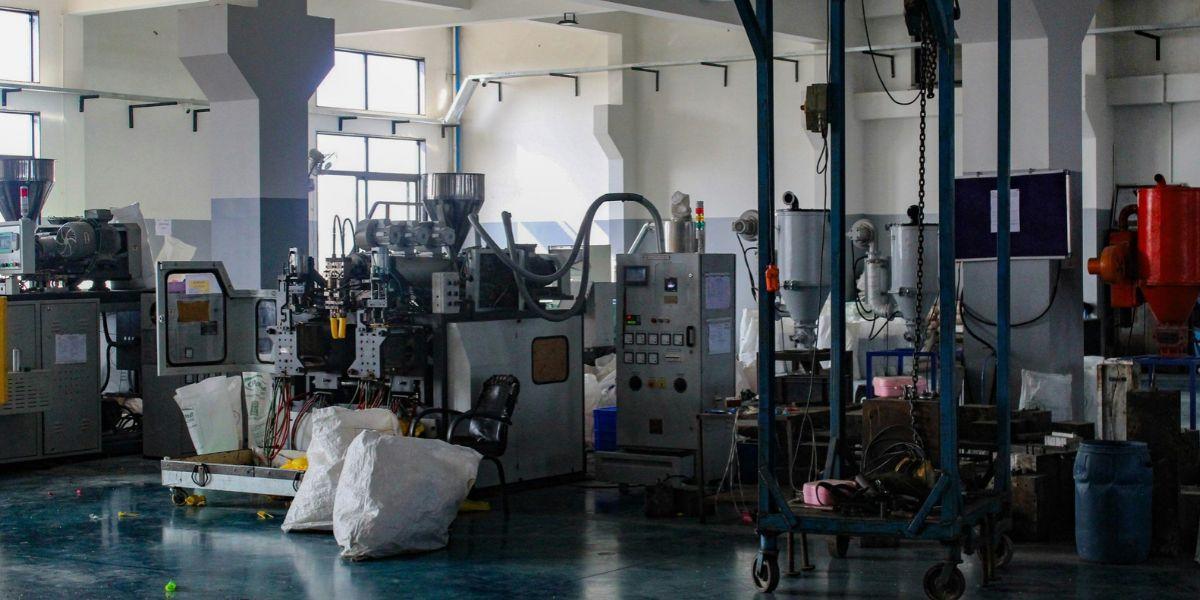
Medical manufacturing relies on precision, consistency, and carefully controlled production processes. Many healthcare products contain plastic components that must meet specific requirements for dimensions, durability, chemical compatibility, and cleanliness. From diagnostic equipment housings to specialised device components, these parts often require manufacturing methods capable of producing complex shapes at scale. Medical plastic injection molding companies play an important role in meeting these manufacturing demands.

As medical technology develops and manufacturers refine their production processes, the selection of materials, tooling methods, and quality control procedures has become an important consideration throughout product development.

What Is Medical Plastic Injection Molding?

Medical plastic injection molding is a manufacturing process in which heated plastic material is injected into a mould cavity, cooled, and removed as a finished component. The process can produce parts with detailed geometries and consistent dimensions when the tooling, materials, and processing conditions are properly controlled.

In healthcare manufacturing, injection molding may be used to produce housings, handles, connectors, instrument components and parts for diagnostic or fluid-handling equipment. The suitability of a component depends on its intended application and the specifications established by the device manufacturer.

Unlike general-purpose plastic production, medical applications can involve additional considerations, including material traceability, cleanliness, dimensional tolerances and documented quality procedures. Requirements vary according to the type of device, its intended use, and the regulations applicable to the finished product.

Why Material Selection Matters

Selecting the correct polymer is a fundamental stage of medical component development. Different plastics have different mechanical, thermal and chemical properties, making some materials more appropriate than others for particular applications.

For example, polycarbonate may be considered where impact resistance and transparency are important. Polypropylene is used in various applications because of its chemical resistance and processing characteristics, while specialised engineering polymers may be selected for components exposed to demanding temperatures or mechanical stresses.

Material selection must also account for the possibility of contact with patients, medicines, cleaning agents or bodily fluids. Where applicable, manufacturers need to assess biocompatibility and the effects of processing, ageing and sterilisation on the material.

A plastic described as medical-grade should not automatically be assumed suitable for every medical device. Its suitability depends on the specific grade, intended use, available supporting documentation and relevant testing requirements.

The Importance of Precision and Quality Control

Medical components frequently require close dimensional control because they may need to fit with other parts or perform a defined mechanical function. Small variations in dimensions, material properties, or moulding conditions can affect assembly and product consistency.

Medical plastic injection molding companies use tooling design, process monitoring, and inspection procedures to manage manufacturing variation. Depending on the component, quality checks may include dimensional measurements, visual inspections, material verification, and functional testing against established specifications.

Production documentation can also help manufacturers trace materials, identify processing batches and investigate problems when they arise. The level of traceability required depends on the product and the applicable quality system.

Quality management is not limited to inspecting finished parts. Reviewing mould design, validating manufacturing processes where required, and maintaining consistent production conditions can help identify potential problems before large quantities are produced.

Applications Across Healthcare Manufacturing

Injection-moulded plastics are used in a wide range of medical and healthcare products. Diagnostic equipment may contain moulded housings, structural supports and connectors. Medical instruments can incorporate plastic handles, protective covers and components designed to fit together with other materials.

Fluid-handling systems may use moulded parts that direct or contain liquids, while filtration equipment can incorporate specialised plastic supports and housings. The requirements for these components vary according to their operating conditions and intended functions.

Some products also require multiple manufacturing processes. Overmolding can combine different materials in one component, while insert molding incorporates items such as metal fittings into a moulded plastic part. Additional operations, including printing, welding and assembly, may be necessary to produce a completed component or subassembly.

These methods can simplify certain designs, but their suitability must be evaluated according to material compatibility, manufacturing complexity and performance requirements.

Regulatory Considerations and Manufacturing Standards

Medical device manufacturing operates within regulatory frameworks designed to support product safety, quality and accountability. Requirements depend on the markets served, the classification of the device and the responsibilities of the organisations involved.

For companies supplying components to medical device manufacturers, it is important to understand the customer’s documentation, traceability and quality requirements. ISO 13485 is a quality management system standard specifically associated with medical devices, while ISO 9001 addresses quality management more broadly.

Certification to a quality management standard should not be confused with regulatory approval of an individual medical device. Similarly, a component’s manufacturing process alone does not establish that the finished device meets every applicable regulatory requirement.

Manufacturers should confirm relevant certifications, process controls, and documentation directly with prospective suppliers and evaluate whether these arrangements match the needs of their project.

How Companies Evaluate a Medical Molding Partner

Selecting a manufacturing partner involves assessing more than production capacity. Companies should consider experience with the relevant polymer, tooling complexity, expected production volumes, and the inspection methods required for the component.

Early collaboration between design engineers and molding specialists can help identify manufacturing challenges before tooling is finalised. Factors such as wall thickness, draft angles, material shrinkage and part geometry may influence mould performance and finished-part consistency.

Businesses may also evaluate whether a supplier can provide additional services, such as insert molding, overmolding, machining and assembly. Consolidating suitable production stages with one supplier can simplify coordination, although the decision should account for cost, quality responsibilities and supply-chain risk.

PMC Plastics is one example of a manufacturer that provides medical plastic injection molding and related component manufacturing services. Its published information describes engineered resin selection, moulding processes, and additional fabrication capabilities relevant to medical manufacturing. These details provide a starting point for understanding the types of services available in this sector.

Supporting Quality Manufacturing

Medical plastic injection molding supports the production of components used across diagnostic equipment, medical instruments and other healthcare applications. Successful manufacturing depends on choosing appropriate materials, controlling production processes, and maintaining documentation that supports consistent quality.

By assessing technical expertise, material suitability, inspection procedures, and applicable quality requirements, medical device manufacturers can make informed decisions about their production partners. Careful planning from the design stage onwards helps align component manufacturing with the practical and regulatory demands of modern healthcare.

Disclaimer: This article is for informational purposes only and should not be considered professional advice. Readers are encouraged to conduct their own research and consult qualified professionals before making any decisions.

How to Fix Windows 11 BSOD Error: A Step-by-Step Tutorial

By: Stellarinfo

One of the most frustrating problems Windows 11 users run into is the Blue Screen of Death (BSOD). It appears when the operating system hits a serious error and cannot keep running safely. Your computer may restart, freeze, or show a blue screen with an error message. The problem looks severe, but several troubleshooting steps can resolve many BSOD errors.

In this guide, we cover the most common BSOD errors on Windows 11 and how you can fix them to get your computer running normally again.

What Causes the Windows 11 BSOD Error?

Several hardware and software problems can trigger a blue screen error. Identifying the underlying cause can help you choose the right solution.

Common causes include:

  • Corrupted system files: Damaged Windows files can interfere with essential system processes.
  • Outdated drivers: Incompatible or outdated device drivers may cause system instability.
  • Hardware problems: Faulty RAM, storage drives, or other components can trigger critical errors.
  • Windows updates: Certain updates may introduce compatibility issues.
  • Malware infections: Malicious software can damage files or disrupt system operations.
  • Disk errors: Problems with your hard drive or SSD can prevent Windows from accessing important data.

Before attempting major repairs, consider backing up your important files whenever possible.

Step 1: Restart Your Computer

In some instances, the BSOD is caused by a temporary system problem. You may be able to fix the issue by restarting your computer.

After restarting the computer, if Windows restarts normally, save your work and determine if the error occurs again. If the blue screen comes back up again, record the stop code on the screen. These include CRITICAL_PROCESS_DIED, SYSTEM_SERVICE_EXCEPTION and INACCESSIBLE_BOOT_DEVICE.

These codes can be helpful clues in determining the underlying issue.

Step 2: Disconnect External Devices

If you use an external hardware device, there may be compatibility issues. Unplug any peripheral devices, external hard drives, printers, or other equipment that is not in use.

Keep only the essentials connected, such as the keyboard, mouse, and monitor. Restart the computer and see whether Windows runs normally.

If the issue goes away, reconnect each device one by one to determine which one is causing the problem. You can then update its driver or check the manufacturer’s support resources.

Step 3: Start Windows in Safe Mode

Safe Mode loads Windows with a minimal set of drivers and services. This helps show whether a third-party application or driver is responsible for the BSOD.

If you can still reach Windows, go to Settings, select System, then Recovery, and click Restart now under Advanced startup. Choose Troubleshoot, Advanced options, Startup Settings, then Restart. Once the computer restarts, select the Safe Mode option.

If Windows will not start at all, interrupt the startup process to trigger automatic repair, or boot into the recovery environment using Windows recovery media.

After entering Safe Mode, uninstall recently added applications, remove problematic drivers, or revert recent changes. Restart the computer and check whether the problem is resolved.

Step 4: Update or Roll Back Drivers

A lot of Windows crashes can be traced to faulty drivers. Open Device Manager and look for devices marked with a warning symbol.

Right-click the device and select Update driver. You can also download drivers directly from the hardware manufacturer’s official website to make sure they are compatible with your system.

If the BSOD appeared right after a driver update, open the device’s Properties, click the Driver tab, and select Roll Back Driver if the option is available.

Avoid downloading drivers from unknown websites, because they may contain unwanted or malicious software.

Step 5: Repair Corrupted System Files

Windows includes built-in tools that can scan for and repair damaged system files.

Open Terminal or Command Prompt as an administrator and run:

sfc /scannow

Allow the scan to finish. If necessary, run the following command to repair the Windows component store:

DISM /Online /Cleanup-Image /RestoreHealth

After the process completes, restart your computer. These tools can resolve certain system-file problems that contribute to BSOD errors.

Step 6: Check Your Storage Drive

Storage drive errors may cause Windows to crash or become inaccessible. To check for file-system problems, open an administrator Command Prompt and run:

chkdsk C: /scan

If Windows reports errors requiring additional repairs, follow its recommendations. Before performing extensive disk repairs, back up important data if possible, particularly if your drive shows signs of failure.

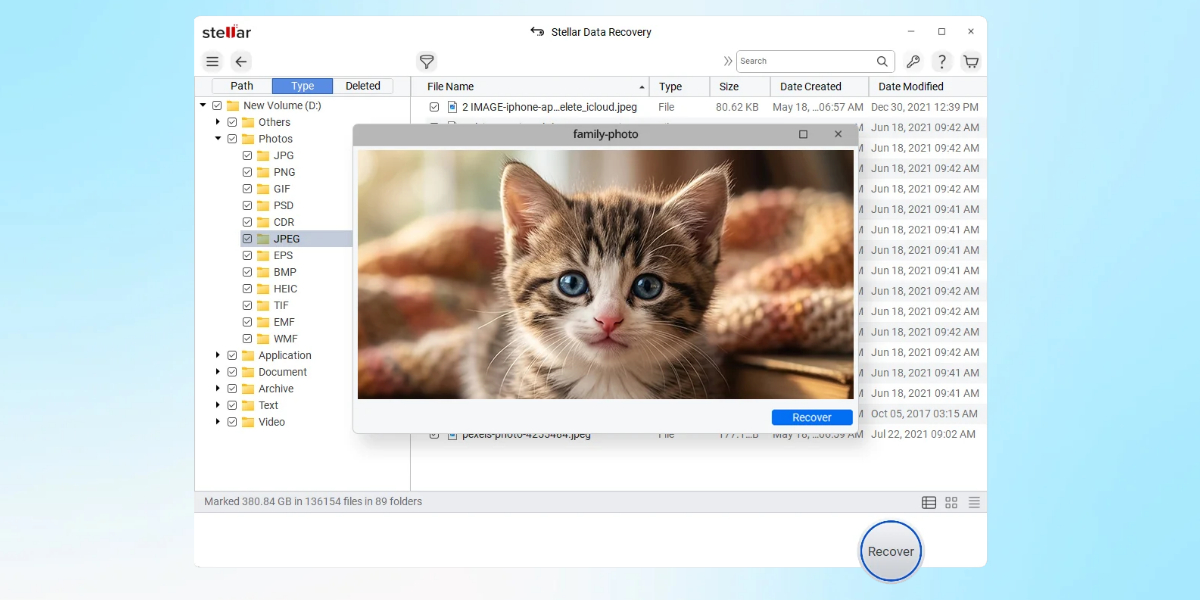
If Windows will not boot and you need to retrieve files from an inaccessible or damaged drive, consider using good data recovery software for Windows. Stellar Data Recovery for Windows is designed to help recover lost or deleted files from supported storage devices. Recovery results depend on the condition of the drive and whether the data has been overwritten.

Step 7: Uninstall Recent Windows Updates

If the BSOD began after installing a Windows update, removing the latest update may help.

Open Settings, navigate to Windows Update, select Update history, and choose Uninstall updates. Select the relevant recent update if Windows allows it, then restart your computer.

If Windows cannot start, access the recovery environment and select Troubleshoot, Advanced options, and Uninstall Updates.

Once the problem is resolved, check for newer updates that may address the compatibility issue.

Step 8: Check Hardware and Consider Recovery Options

If the blue screen continues, run Windows Memory Diagnostic to check for possible RAM problems. You should also review your computer manufacturer’s hardware diagnostics.

Persistent BSOD errors may indicate failing memory, overheating, or a damaged storage device. If hardware failure is suspected, seek professional assistance before the problem worsens.

As a last resort, consider using Windows System Restore or resetting Windows. Back up your files first whenever possible, because some recovery options can remove applications, settings, or personal data.

Keeping Your System Stable After a BSOD

Windows 11 BSOD errors can result from driver conflicts, corrupted system files, storage problems, or faulty hardware. By restarting your computer, testing external devices, repairing system files, and checking your storage drive, you can often identify and resolve the issue.

If the blue screen prevents Windows from starting and important files are inaccessible, prioritize data protection before attempting major repairs. A careful troubleshooting approach can help restore system stability while reducing the risk of permanent data loss.

Wire Mesh Belt Conveyors: Their Role in Modern Industrial Processing

Industrial production depends on reliable equipment that moves materials efficiently between different stages of manufacturing. Conveyor systems help businesses organise workflows, reduce manual handling and maintain consistent production. Among these systems, wire mesh belt conveyors have become useful in applications where products need to be exposed to air, heat, water or other processing conditions during transportation. Their open structure makes them suitable for various industries, including food manufacturing, metal processing, electronics and industrial finishing.

Understanding how these conveyors work, where they are used and what factors influence their performance can help businesses select equipment that meets their operational needs.

What Is a Wire Mesh Belt Conveyor?

A wire mesh belt conveyor is a material-handling system that transports products using a belt constructed from interwoven or interconnected metal wires. Unlike conventional solid conveyor belts, its open surface allows air and liquids to pass through, making it suitable for several specialised manufacturing processes.

Depending on the intended application, these conveyors may be manufactured from stainless steel or other metals with properties suited to particular working conditions. Their design can be adapted to different belt widths, mesh openings, loads and production requirements.

Industries commonly incorporate mesh conveyors into ovens, washing equipment, cooling systems, drying tunnels and production lines. The belt configuration must be selected according to the products being transported and the environmental conditions in which the machinery operates.

Factors such as wire thickness, mesh pattern, material composition and belt strength influence the conveyor’s overall suitability. Careful selection is therefore important for achieving reliable operation and reducing avoidable maintenance issues.

Applications Across Different Industries

Wire mesh belt conveyors support a variety of industrial processes. In food manufacturing, they are used to transport products through baking, cooking, freezing, washing, drying and cooling operations. Their open structure allows air or other processing media to reach products through the belt, depending on the equipment’s arrangement.

The metalworking industry uses these conveyors to move components through heat-treatment furnaces, washing systems and surface-finishing equipment. In such environments, the belt must withstand the operating temperature, mechanical stress and any chemicals encountered during processing.

Electronics and general manufacturing facilities may also use mesh conveyors to carry components through drying, coating or cleaning stages. The belt design is particularly important when transporting small or delicate items, as inappropriate mesh openings can cause products to become trapped or fall through.

Although these applications share a common transportation function, their operating requirements differ considerably. Selecting the correct design requires an understanding of the product, production environment and intended process.

Key Benefits of an Open-Mesh Design

The main characteristic of a wire mesh conveyor is its permeable surface. Air and liquids can move through the openings, supporting applications that require ventilation, drainage, cooling or heat transfer. The effectiveness of these processes depends on factors such as mesh size, product placement and the performance of the surrounding equipment.

Metal construction can also provide useful durability in demanding industrial environments. However, the level of resistance to corrosion, wear and temperature variation depends on the selected metal, belt design and operating conditions.

Another advantage is the flexibility to accommodate different production requirements. Conveyor configurations can be developed for particular layouts, product dimensions and processing stages. This adaptability allows manufacturers to consider mesh conveyors for both straightforward transportation and more specialised production operations.

Cleaning and inspection are additional considerations. An open structure may allow easier access to certain belt surfaces, but it does not automatically guarantee effective sanitation. Belt joints, transfer areas and locations where material accumulates must also be considered when designing cleaning procedures.

Selecting the Right Conveyor for the Application

Choosing a suitable conveyor begins with evaluating the characteristics of the materials being transported. Their weight, size, shape and fragility influence the required mesh opening, belt strength and support arrangement. Products with small dimensions may need a finer mesh to prevent them from falling through or becoming lodged between wires.

Environmental conditions also influence material selection. Processes involving high temperatures require belts capable of handling repeated thermal exposure, while wet environments or chemical treatments may require particular corrosion-resistant materials. Stainless steel is commonly considered for these applications, although the appropriate grade depends on the specific operating environment.

Businesses should also assess production speed, loading requirements, belt tension and the arrangement of transfer points. Poorly matched equipment can contribute to excessive wear, unstable product movement or interruptions in production.

Space availability, cleaning requirements and compatibility with existing machinery should form part of the evaluation. Reviewing these factors before installation can help manufacturers identify an appropriate conveyor configuration and establish realistic maintenance expectations.

Maintenance, Safety and Operational Reliability

Routine inspection plays an important role in keeping conveyor systems operating effectively. Maintenance teams should examine the belt, drive components, supports and tracking arrangements according to the manufacturer’s recommendations. Damaged wires, distorted mesh or worn connections may affect transportation and require timely attention.

Cleaning practices should reflect the materials being processed and the conditions inside the facility. In food manufacturing, conveyor hygiene must be managed through appropriate cleaning procedures and relevant food safety requirements. Cleaning chemicals should also be compatible with the belt material to avoid unnecessary deterioration.

Workplace safety is equally important. Moving belts, drive mechanisms and pinch points can create hazards if equipment is not properly guarded or maintained. Workers should follow established isolation and lockout procedures before carrying out maintenance or cleaning activities.

A preventive maintenance programme can help identify developing problems before they lead to unexpected production stoppages. Recording inspection results, repairs and replacement schedules also provides useful information for planning maintenance activities and managing equipment costs.

The Future of Conveyor Design

Manufacturers continue to explore ways to improve production efficiency, product consistency and equipment reliability. Conveyor systems contribute to these objectives by supporting organised material movement and integration between different stages of manufacturing.

Developments in metal selection, belt geometry and conveyor integration may provide new options for businesses with specialised processing requirements. At the same time, equipment performance must be evaluated against measurable criteria, including operating conditions, maintenance demands and product-handling requirements.

Businesses researching available solutions can consult industry suppliers such as Wire Belt to learn about different belt configurations and their potential industrial applications. Comparing technical specifications and seeking application-specific guidance can help decision-makers assess whether a particular system is suitable for their production environment.

Rather than relying on general claims about efficiency or durability, manufacturers should consider documented product information and the practical requirements of their own operations.

Why Conveyor Selection and Maintenance Go Together

Wire mesh belt conveyors provide a practical solution for industrial processes that combine product transportation with requirements such as airflow, drainage, cooling or heat exposure. Their open construction makes them useful across several industries, but the benefits depend on selecting an appropriate design for the intended application.

By considering product dimensions, working temperatures, material compatibility, cleaning procedures and safety requirements, businesses can make better-informed equipment decisions. Careful selection and regular maintenance help ensure that conveyor systems remain a dependable part of an organised manufacturing process.

NYC Ferry Cost Rises to $5 Per Ride Starting October 19 as Middle School Students Gain Discount Access

The NYC Ferry cost for a standard one-way ride rises from $4.50 to $5.00 on October 19, 2026. At the same time, about 200,000 New York City middle school students are now eligible for discounted weekday ferry trips to and from school, and the ten-trip pass keeps its $3.00 per-ride rate.

Key Takeaways

  • The NYC Ferry one-way fare increases 50 cents to $5.00, effective October 19, 2026.
  • The ten-trip pass moves from $29.00 to $30.00, keeping the per-ride cost at $3.00.
  • The reduced one-way fare for Ferry Discount Program participants rises from $1.45 to $1.50.
  • The $15.00 two-day unlimited ticket becomes a permanent NYC Ferry fare product.
  • Students in grades 6 through 8 became eligible for discounted school trips on September 1, 2026, joining high school students.
  • NYC Ferry recorded its highest daily and weekly ridership levels in Summer 2026.

NYC Ferry Fare Structure Shifts Cost Toward Occasional Riders

The New York City Economic Development Corporation, which oversees NYC Ferry, announced the fare changes on October 5. Although every ticket type changes, the burden does not fall evenly. The one-way fare climbs about 11 percent, while the ten-trip pass and the reduced fare each rise about 3.4 percent.

That spread is deliberate. NYCEDC described the new structure as placing the largest increase on the base fare most often used by occasional riders, while limiting increases for frequent riders and discount participants. Tourists, weekend riders, and New Yorkers who take the ferry only now and then absorb most of the change. Daily commuters who already buy in bulk see a one-dollar difference per pack.

NYCEDC tied the increase to inflation-linked operating costs and framed it as part of a regular cycle of fare reviews. NYC Ferry Executive Director James Wong pointed to demand as context, saying the system is “again setting ridership records” this year.

Ten-Trip Pass Math Favors Regular Commuters

At $30.00 for ten rides, the NYC Ferry ten-trip pass now saves $2.00 per trip compared with buying single tickets, or $20.00 per pack. Under the old prices, the savings worked out to $1.60 per trip, so the gap between occasional and frequent riders has widened.

NYC Ferry Cost Rises to $5 Per Ride Starting October 19 as Middle School Students Gain Discount Access (2)

Photo Credit: Unsplash.com

The savings come with a practical condition. NYC Ferry tickets expire 90 days after purchase, so the pass pays off only for riders who use all ten trips within that window. For a commuter riding twice a day, a pack lasts about a week. For someone who rides a few times a month, single tickets may still make more sense, even at the higher price.

Every NYC Ferry ticket also includes a free transfer to another route within 120 minutes of activation. That matters for riders whose trips span more than one line, such as a Rockaway-to-Midtown commute with a connection along the way.

NYC Ferry Pricing Now Lines Up With the Subway

The new $3.00 per-ride rate on the ten-trip pass matches the current subway and local bus fare. For commuters choosing between modes, the ferry now competes directly on price, as long as they buy in volume. A single ferry ticket, by contrast, costs $2.00 more than a subway swipe.

The pricing change arrives during a strong year for New York City transit overall, with subway ridership hitting one billion trips about a week earlier than last year. With both systems drawing record or near-record demand, the ferry’s fare design signals a bet that regular riders will stay loyal if their per-ride cost holds steady.

Middle School Discount Extends NYC Ferry Access to 200,000 More Students

The student expansion is the part of the announcement with the widest reach. Before September 1, only high school students qualified for discounted NYC Ferry school trips. Now students in grades 6 through 8 qualify too, adding roughly 200,000 eligible riders citywide.

Families access the discount through NYC Schools Accounts, where middle and high school students can find a discount code. Once the code is entered in the NYC Ferry app, student discount tickets appear as a purchase option. Paper student tickets are also sold in person at the Wall St./Pier 11 ticketing window, where a guardian or student shows the eligibility letter from the school account.

For families already navigating the middle school application process for fall 2027 admissions, the ferry discount adds a transportation option worth weighing, especially for schools near waterfront landings.

How to Buy NYC Ferry Tickets

NYC Ferry tickets are sold through the NYC Ferry app and at ticket vending machines located at every landing. Tickets bought in the app cannot be printed and must be shown on a phone to board.

Discounted tickets follow different rules. Reduced-fare tickets for Ferry Discount Program participants are sold only through approved accounts in the NYC Ferry app or in person at the Wall St./Pier 11 landing. They are not sold at landing vending machines. Discount Program applications can take up to 30 days to process, so newly eligible riders should apply ahead of when they plan to start riding.


FAQs

Is There Still a $4.50 NYC Ferry Ticket?

No. Starting October 19, 2026, the standard NYC Ferry one-way ticket costs $5.00. Some search results and older listings may still show the $4.50 price, but the new fare applies to all one-way purchases from that date.

Is the NYC Ferry Free?

No. NYC Ferry charges fares, starting at $5.00 for a one-way ride. The free ferry in the city is the Staten Island Ferry, a separate service run by the NYC Department of Transportation.

How Do You Pay for the NYC Ferry?

Riders can buy tickets in the NYC Ferry app or at ticket vending machines at each landing. Tickets bought in the app must be shown on a phone, since they cannot be printed.

Does the NYC Ferry Accept MetroCards?

No. NYC Ferry runs a separate ticketing system and does not accept MetroCards as tickets. A Fair Fares NYC MetroCard can, however, be used to enroll in the Ferry Discount Program.

Who Qualifies for the NYC Ferry Discount Program?

The Ferry Discount Program covers eligible seniors, riders with disabilities, and Fair Fares NYC participants. Approved riders pay $1.50 per one-way ride starting October 19, 2026. NYC middle and high school students qualify separately through the Student Discount Program.