
Industrial production depends on reliable equipment that moves materials efficiently between different stages of manufacturing. Conveyor systems help businesses organise workflows, reduce manual handling and maintain consistent production. Among these systems, wire mesh belt conveyors have become useful in applications where products need to be exposed to air, heat, water or other processing conditions during transportation. Their open structure makes them suitable for various industries, including food manufacturing, metal processing, electronics and industrial finishing.
Understanding how these conveyors work, where they are used and what factors influence their performance can help businesses select equipment that meets their operational needs.
What Is a Wire Mesh Belt Conveyor?
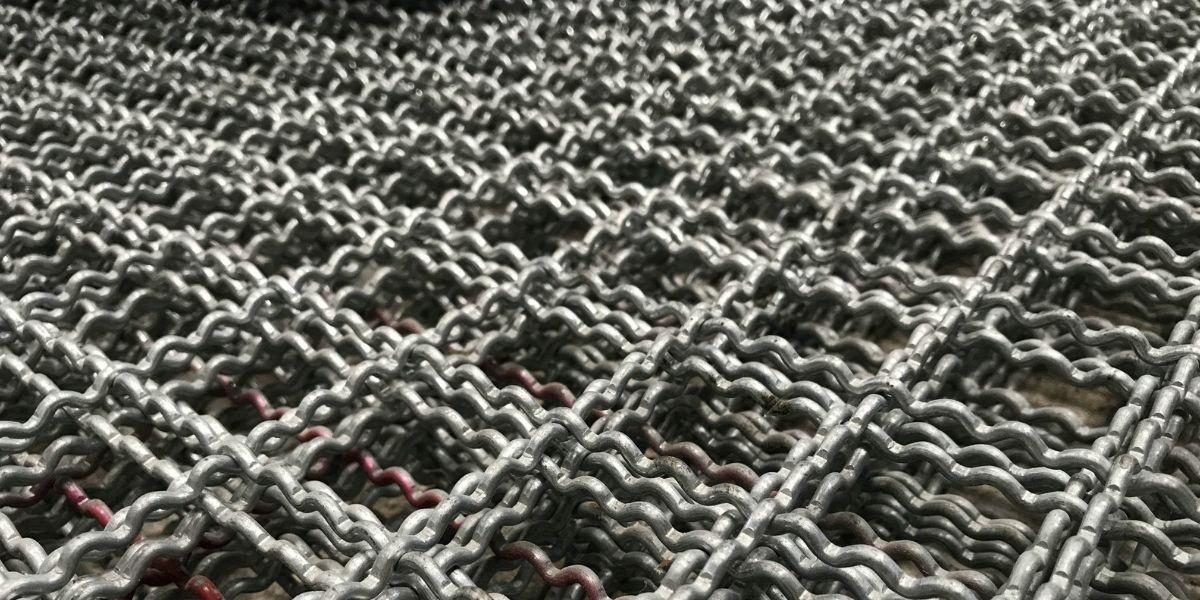
A wire mesh belt conveyor is a material-handling system that transports products using a belt constructed from interwoven or interconnected metal wires. Unlike conventional solid conveyor belts, its open surface allows air and liquids to pass through, making it suitable for several specialised manufacturing processes.
Depending on the intended application, these conveyors may be manufactured from stainless steel or other metals with properties suited to particular working conditions. Their design can be adapted to different belt widths, mesh openings, loads and production requirements.
Industries commonly incorporate mesh conveyors into ovens, washing equipment, cooling systems, drying tunnels and production lines. The belt configuration must be selected according to the products being transported and the environmental conditions in which the machinery operates.
Factors such as wire thickness, mesh pattern, material composition and belt strength influence the conveyor’s overall suitability. Careful selection is therefore important for achieving reliable operation and reducing avoidable maintenance issues.
Applications Across Different Industries
Wire mesh belt conveyors support a variety of industrial processes. In food manufacturing, they are used to transport products through baking, cooking, freezing, washing, drying and cooling operations. Their open structure allows air or other processing media to reach products through the belt, depending on the equipment’s arrangement.
The metalworking industry uses these conveyors to move components through heat-treatment furnaces, washing systems and surface-finishing equipment. In such environments, the belt must withstand the operating temperature, mechanical stress and any chemicals encountered during processing.
Electronics and general manufacturing facilities may also use mesh conveyors to carry components through drying, coating or cleaning stages. The belt design is particularly important when transporting small or delicate items, as inappropriate mesh openings can cause products to become trapped or fall through.
Although these applications share a common transportation function, their operating requirements differ considerably. Selecting the correct design requires an understanding of the product, production environment and intended process.
Key Benefits of an Open-Mesh Design
The main characteristic of a wire mesh conveyor is its permeable surface. Air and liquids can move through the openings, supporting applications that require ventilation, drainage, cooling or heat transfer. The effectiveness of these processes depends on factors such as mesh size, product placement and the performance of the surrounding equipment.
Metal construction can also provide useful durability in demanding industrial environments. However, the level of resistance to corrosion, wear and temperature variation depends on the selected metal, belt design and operating conditions.
Another advantage is the flexibility to accommodate different production requirements. Conveyor configurations can be developed for particular layouts, product dimensions and processing stages. This adaptability allows manufacturers to consider mesh conveyors for both straightforward transportation and more specialised production operations.
Cleaning and inspection are additional considerations. An open structure may allow easier access to certain belt surfaces, but it does not automatically guarantee effective sanitation. Belt joints, transfer areas and locations where material accumulates must also be considered when designing cleaning procedures.
Selecting the Right Conveyor for the Application
Choosing a suitable conveyor begins with evaluating the characteristics of the materials being transported. Their weight, size, shape and fragility influence the required mesh opening, belt strength and support arrangement. Products with small dimensions may need a finer mesh to prevent them from falling through or becoming lodged between wires.
Environmental conditions also influence material selection. Processes involving high temperatures require belts capable of handling repeated thermal exposure, while wet environments or chemical treatments may require particular corrosion-resistant materials. Stainless steel is commonly considered for these applications, although the appropriate grade depends on the specific operating environment.
Businesses should also assess production speed, loading requirements, belt tension and the arrangement of transfer points. Poorly matched equipment can contribute to excessive wear, unstable product movement or interruptions in production.
Space availability, cleaning requirements and compatibility with existing machinery should form part of the evaluation. Reviewing these factors before installation can help manufacturers identify an appropriate conveyor configuration and establish realistic maintenance expectations.
Maintenance, Safety and Operational Reliability
Routine inspection plays an important role in keeping conveyor systems operating effectively. Maintenance teams should examine the belt, drive components, supports and tracking arrangements according to the manufacturer’s recommendations. Damaged wires, distorted mesh or worn connections may affect transportation and require timely attention.
Cleaning practices should reflect the materials being processed and the conditions inside the facility. In food manufacturing, conveyor hygiene must be managed through appropriate cleaning procedures and relevant food safety requirements. Cleaning chemicals should also be compatible with the belt material to avoid unnecessary deterioration.
Workplace safety is equally important. Moving belts, drive mechanisms and pinch points can create hazards if equipment is not properly guarded or maintained. Workers should follow established isolation and lockout procedures before carrying out maintenance or cleaning activities.
A preventive maintenance programme can help identify developing problems before they lead to unexpected production stoppages. Recording inspection results, repairs and replacement schedules also provides useful information for planning maintenance activities and managing equipment costs.
The Future of Conveyor Design
Manufacturers continue to explore ways to improve production efficiency, product consistency and equipment reliability. Conveyor systems contribute to these objectives by supporting organised material movement and integration between different stages of manufacturing.
Developments in metal selection, belt geometry and conveyor integration may provide new options for businesses with specialised processing requirements. At the same time, equipment performance must be evaluated against measurable criteria, including operating conditions, maintenance demands and product-handling requirements.
Businesses researching available solutions can consult industry suppliers such as Wire Belt to learn about different belt configurations and their potential industrial applications. Comparing technical specifications and seeking application-specific guidance can help decision-makers assess whether a particular system is suitable for their production environment.
Rather than relying on general claims about efficiency or durability, manufacturers should consider documented product information and the practical requirements of their own operations.
Why Conveyor Selection and Maintenance Go Together
Wire mesh belt conveyors provide a practical solution for industrial processes that combine product transportation with requirements such as airflow, drainage, cooling or heat exposure. Their open construction makes them useful across several industries, but the benefits depend on selecting an appropriate design for the intended application.
By considering product dimensions, working temperatures, material compatibility, cleaning procedures and safety requirements, businesses can make better-informed equipment decisions. Careful selection and regular maintenance help ensure that conveyor systems remain a dependable part of an organised manufacturing process.