
Key Takeaways
● Off-site planning lets site preparation and component production move forward at the same time.
● Early design coordination helps prevent field conflicts, rework, and late production changes.
● Production schedules, delivery timing, and installation sequencing must be planned together.
● Quality checks before shipping can help teams identify issues before components reach the jobsite.
● Off-site methods support schedule control, but they still require disciplined project management.
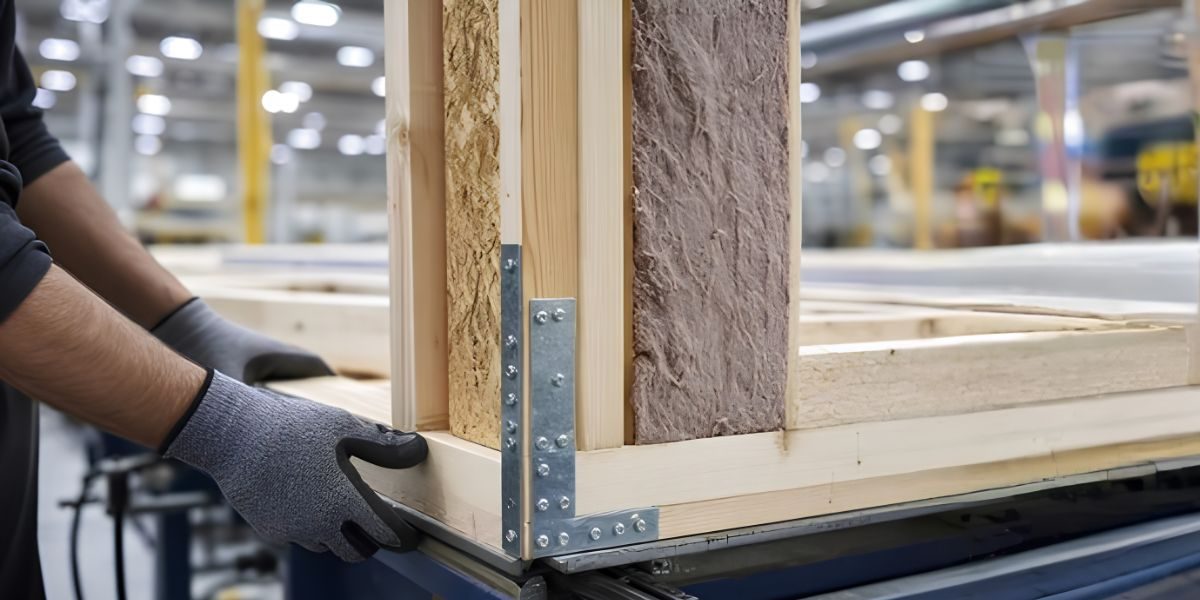
Commercial construction schedules depend on many connected activities, from design approvals and procurement to inspections and trade coordination. When teams move repeatable work into a controlled setting, prefabricated wall panels and similar assemblies can be prepared while crews continue foundation, structural, or site work.
The result is not an automatic shortcut. The strongest schedule gains come from detailed planning that treats design, production, transportation, and field installation as one coordinated process. When those steps are disconnected, off-site work can create new timing and access problems instead of solving them.
Why Schedule Control Matters More
Commercial teams often work around limited site space, overlapping trades, material lead times, inspection requirements, weather exposure, and fixed occupancy or turnover dates. A delay in one area can affect the work that follows, particularly when crews need access to the same floor, loading zone, or installation area.
Schedule certainty has become a prominent project-delivery priority because owners need clearer expectations around completion dates, labor needs, and project coordination. For example, a 2026 report on an off-site construction business launch described an approach that combines product planning, engineering, manufacturing, shipping, and logistics rather than treating those functions as separate tasks.
What Off-Site Construction Planning Means
Off-site construction planning is the process of identifying building components that can be assembled away from the jobsite, then coordinating their production and delivery for installation. Depending on the project, that may include wall assemblies, framing packages, mechanical racks, utility modules, building-envelope sections, or multi-trade assemblies.
The goal is not to move every task out of the field. It is to select work packages that are repeatable, can be clearly defined in advance, and will arrive when crews are ready to install them. Site work remains essential, but prepared components can reduce the amount of cutting, sorting, and assembly required in active work areas.
How Off-Site Work Can Shorten a Project Schedule
The core advantage is concurrency. While one team prepares foundations, structural connections, or access routes at the project site, another team can produce approved assemblies elsewhere. This overlap can reduce the number of tasks that must occur one after another.
● Fewer field cuts and assemblies can reduce interruptions in installation areas.
● Repeatable production steps can support more consistent workflows.
● Prepared components can reduce competition for the limited floor and staging space.
● Installation-ready deliveries can help crews focus on placement and connection work.
● Sequenced production can make the upcoming field needs easier to track.
Consider a commercial building with repeated wall layouts. The site team can prepare the slab, structure, and lifting access while wall assemblies are built and checked in a production facility. That overlap only helps if the panels, openings, connection details, and delivery order match the actual installation plan.
Start With Design Coordination
Design coordination should happen before production releases begin. A late revision may affect dimensions, material orders, fabrication instructions, shipping plans, and the sequence of field work. Teams should establish who can approve changes and how updated information will be shared.
Coordination Review Checklist
1. Confirm dimensions, tolerances, openings, and connection points.
2. Review interfaces between structural, architectural, mechanical, electrical, and plumbing work.
3. Verify crane access, delivery routes, unloading areas, and installation clearances.
4. Confirm code requirements, inspection responsibilities, and documentation needs.
5. Identify jobsite storage limits and temporary protection requirements.
Digital models and coordination software can help teams identify conflicts earlier, but software does not replace direct communication. Designers, contractors, fabricators, suppliers, and field supervisors still need a shared understanding of what will be built, when it will arrive, and how it will be installed.
Build a Clear Production and Delivery Plan
Production should follow the field installation sequence. Components delivered too early may create storage, handling, and damage risks. Components delivered late can leave crews waiting. Effective offsite manufacturing planning connects engineering decisions with production releases, labeling, loading, transportation, and site readiness.
● Set release dates based on approved drawings and material availability.
● Assign inspection points before work moves to the next production stage.
● Use labels and location codes that match the installation drawings.
● Load trucks in an order that supports the planned installation sequence.
● Confirm delivery windows, truck routes, lifting plans, and site access.
● Prepare alternatives for weather, traffic, or changing access conditions.
Quality Checks Before Components Reach the Site
Controlled production settings can make it easier to use repeatable checks before components leave the facility. A practical quality process includes reviewing the latest approved drawings, inspecting materials, checking dimensions and connection points, documenting corrections, and confirming labels and shipping documents.
Off-site work does not ensure a perfect result. Incomplete drawings, incorrect site measurements, rushed production, or missing trade information can transfer a problem from the field to the production facility. A final release review is valuable because it gives teams an opportunity to resolve visible issues before delivery.
Reduce Jobsite Congestion and Rework
Crowded job sites can complicate safety, material handling, and trade sequencing. Prepared assemblies may reduce some onsite handling by limiting the need to cut, stage, and sort individual materials in active work zones. A commercial prefabrication case study illustrates how a project team used prefab assemblies as part of a broader effort to shorten its construction timeline.
The lesson is not that every project should use the same method. It is that teams should examine where field work is repeatedly slowed by congestion, limited labor, or sequencing conflicts, then determine whether a well-defined assembly could be completed more predictably off-site.
Know When Off-Site Methods Make Sense
Off-site planning is generally most useful when a project has repeatable elements, stable design information, a clear installation sequence, and enough early coordination time. It may be a strong fit for projects with repeated floor plans, tight site conditions, strict completion targets, high local labor demand, or several trades that need close coordination.
Watch for Common Planning Risks
Teams should plan for design changes after production begins, incomplete site data, limited storage, unclear inspection roles, missing information between trades, transportation damage, and weather exposure. These risks do not make off-site methods unsuitable. They show why detailed responsibility assignments and realistic contingency plans are necessary.
A Simple Step-By-Step Planning Process
1. Review project goals. Identify schedule, labor, budget, quality, and site constraints.
2. Select repeatable work packages. Focus on components that can be consistently defined and produced.
3. Coordinate the design. Confirm interfaces, dimensions, openings, and connections.
4. Link production to installation. Set milestones and delivery dates around the field sequence.
5. Confirm logistics and inspections. Plan loading, access, lifting, storage, documentation, and quality reviews.
6. Use field feedback. Adjust later deliveries based on installation results and changing site conditions.
What Keeps Off-Site Projects on Schedule
Schedule gains usually come from stronger coordination, not from one construction method alone. Off-site planning can help commercial teams reduce field tasks, improve sequencing, and support consistent quality. The best outcomes depend on complete design information, practical logistics, reliable inspections, and steady communication from production through installation.