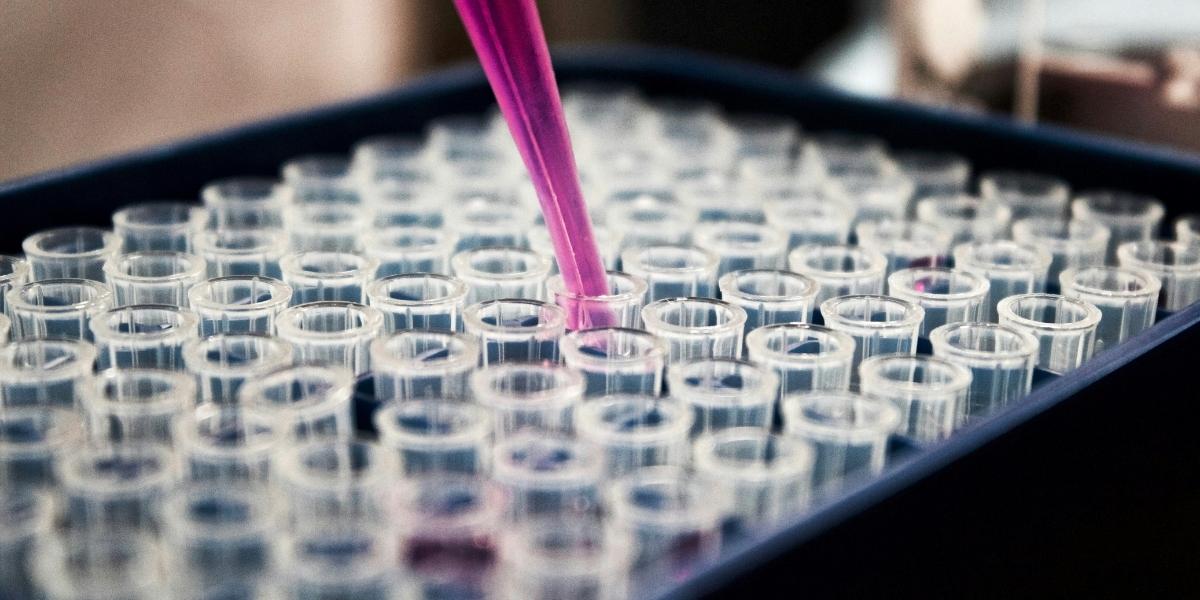

The NYU plastics research center launched Oct. 1 as the NYC Center for Healthier Plastic Solutions, pairing NYU Tandon engineers with NYU Grossman medical specialists. The program will examine plastic degradation, microplastics and potential health effects while using high-throughput testing and artificial intelligence to compare new polymer formulations.
Key Takeaways
- NYU announced the NYC Center for Healthier Plastic Solutions on Oct. 1, 2026
- The center brings together NYU Tandon School of Engineering and NYU Grossman School of Medicine
- A 2025 Nature Medicine study detected micro- and nanoplastics in human kidney, liver and brain tissue, but detection does not establish disease causation
- NYU plans to use high-throughput testing and AI to compare polymer formulations and degradation behavior
New York University created the center to connect polymer design with environmental health and medicine. The project addresses an unresolved scientific question: plastics can fragment into micro- and nanoplastics, but scientists are still determining what different levels and routes of exposure mean for human health.
NYU says teams will study how materials change under physical wear, chemical exposure and heat, then compare those findings with biological and health data. The program will also test new polymer formulations, including materials made from non-petroleum feedstocks.
NYU Plastics Research Center Connects Engineering and Medicine
The NYU plastics research center is co-directed by Miguel Modestino, an associate professor of chemical and biomolecular engineering at NYU Tandon, and Leonardo Trasande, a professor of pediatrics and population health at NYU Grossman.
The center brings together specialists in polymer synthesis, microplastic detection, toxicology, epidemiology, environmental engineering and machine-learning-assisted materials analysis. That structure is intended to connect decisions made during material design with measurements of how those materials behave as they age and degrade.
Polymer scientists can examine how formulation and processing affect fragmentation, while medical and environmental teams study how particles and chemical components interact with biological systems. Similar questions about durability, degradation and biological interaction also appear in medical-grade polymer research, where material properties are evaluated in relation to their intended use.
NYU says its laboratories will support parallel polymer synthesis, micro- and nanoplastic characterization, accelerated degradation testing, and thermal, chemical and mechanical analysis. The approach is designed to generate comparable data on how materials perform and how their properties change under different conditions.
Human Tissue Findings Define a Major Evidence Gap
The health side of the initiative enters a field where detection methods have advanced faster than definitive conclusions about long-term effects.
A 2025 Nature Medicine study detected micro- and nanoplastics in samples of human kidney, liver and brain tissue. The authors reported higher concentrations in brain tissue than in liver and kidney samples and found higher concentrations in 2024 liver and brain samples than in samples from 2016.
The study did not establish that the detected particles caused a particular disease or health outcome. Its authors called for further investigation into exposure routes, uptake, clearance and potential health effects.
That distinction is central to NYU’s approach. Detecting plastic particles establishes their presence, but additional evidence is needed to determine whether particular concentrations, particle characteristics or exposure pathways contribute to specific health outcomes.
A World Health Organization review has also identified evidence gaps involving human exposure to nano- and microplastic particles through food, water and air. The review called for stronger data on exposure levels, particle characteristics and potential health effects.
NYU’s decision to combine medical analysis with materials engineering is intended to address both sides of that gap: how plastics fragment and what happens after resulting particles or chemical components encounter biological systems.
AI Supports High-Throughput Materials Testing
The engineering program will use high-throughput experimentation to produce and test multiple candidate materials in parallel. NYU says teams will expose those materials to mechanical, chemical and thermal stresses, measure degradation products and use computational tools to help guide later rounds of testing.
Artificial intelligence will support that screening process rather than make independent safety determinations. The approach reflects a wider use of AI in laboratory research, where computational systems can help organize complex datasets and identify areas for further experimental analysis.
The NYU center plans to measure factors including molecular weight, thermal stability, mechanical behavior and fragmentation. Scientists can then compare those measurements across formulations to identify material characteristics associated with different degradation patterns.
The program links two stages that are often examined separately. Teams can characterize what existing and experimental plastics release as they degrade, then use those measurements to inform the design and testing of later formulations.
NYU Grossman also had more than a dozen projects related to plastics and health underway when the center was announced. NYU said those efforts were supported by nearly $20 million in funding, giving the new center an existing base of medical and environmental health work alongside its engineering program.
Frequently Asked Questions
What is the NYC Center for Healthier Plastic Solutions?
The NYC Center for Healthier Plastic Solutions is a joint center created by NYU Tandon School of Engineering and NYU Grossman School of Medicine. It examines plastic degradation, micro- and nanoplastics, potential health effects and new polymer formulations.
When did NYU launch the plastics research center?
NYU announced the center on Oct. 1, 2026. The NYU plastics research center combines engineering, materials science and medicine in a program focused on plastics, degradation and health-related questions.
What will scientists test at the center?
Teams plan to synthesize and compare polymer formulations, including some made from non-petroleum feedstocks. Testing will examine physical wear, chemical exposure, heat, micro- and nanoplastic formation, thermal stability and mechanical properties.
Does current evidence prove that microplastics cause disease?
Current studies have detected micro- and nanoplastics in human tissues, but detection alone does not establish that the particles caused a specific disease. Scientists are continuing to examine exposure, uptake, clearance and potential biological effects.
How will artificial intelligence be used?
AI will help analyze experimental data and guide the screening of polymer formulations. Physical testing and biological analysis remain necessary to evaluate how materials degrade and how resulting particles or chemical components behave.