
A family fishing operation is shortening the route between Alaska’s waters and home freezers across the United States through traceable sourcing and practical bulk shipping.
Luke Owens knows both ends of the seafood journey: hauling sockeye from Bristol Bay on a small boat and connecting with customers across the United States who will serve it for dinner. That connection grew from years spent between Alaska and family operations, first as an educator and fisherman, then as founder of a family business that brings wild-caught fish to households nationwide, with a focus on sustainable small-boat harvest and no trawling.
Captain Luke and his wife, Eliza, taught in the Bristol Bay watershed villages of Port Alsworth and New Stuyahok. As the family grew, Captain Luke and his father, Paul, bought a small setnet operation. Paul has fished with him every summer since 2015, while Eliza and their children now help with small-boat fishing and seafood sales.
A Family Story Behind Wild-Caught Seafood
That multigenerational work shapes how Net to Table handles wild-caught seafood. The family catches its own Bristol Bay sockeye using line and net methods with no trawling, and works directly with small-boat fishermen for Alaskan halibut, sablefish, rockfish, Pacific cod, and crab. If you want to know where dinner came from, the answer includes an independent fisherman, a fishery, and a small-boat harvesting method, rather than a vague package label.
Remote food production also requires careful logistics. The catch is flash-frozen at sea to lock in quality, then travels through a climate-controlled interior route to a dedicated packing facility in the central United States, where orders are prepared for shipment on dry ice. The company says this approach creates reliable shipping times and lowers thaw risk compared with dispatching individual boxes directly from remote harvesting locations.
How Wild-Caught Fish Delivery Shortens the Supply Chain
Captain Luke and his family first tested direct sales at regional markets across the United States, where customer conversations revealed how little many shoppers knew about seafood’s journey, including findings from groups like Oceana showing widespread seafood mislabeling in retail markets. Selling directly online, particularly in larger quantities, offered a shorter route with fewer intermediaries between boat and buyer.
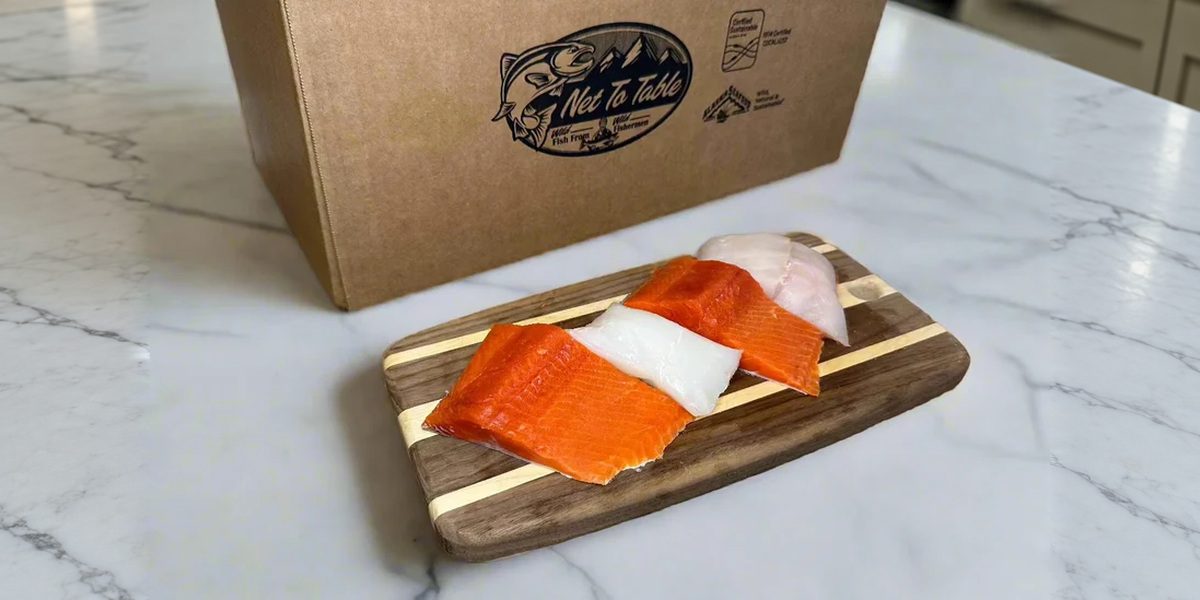
For shoppers considering wild-caught fish delivery, that structure affects price as well as convenience. Vertical integration limits intermediary markups, while bulk boxes spread fulfillment costs across more pounds. The company positions its Freezer Fill option as its lower cost-per-pound choice for bulk orders of wild Alaskan seafood shipped to the doorstep, with savings that grow on larger quantities. Sample boxes, custom boxes, and flexible seafood plans provide alternatives for smaller households. The range makes wild-caught seafood delivery workable for different freezer space, budgets, and cooking habits.
Online Seafood Delivery Success: Why Cold-Chain Care Matters
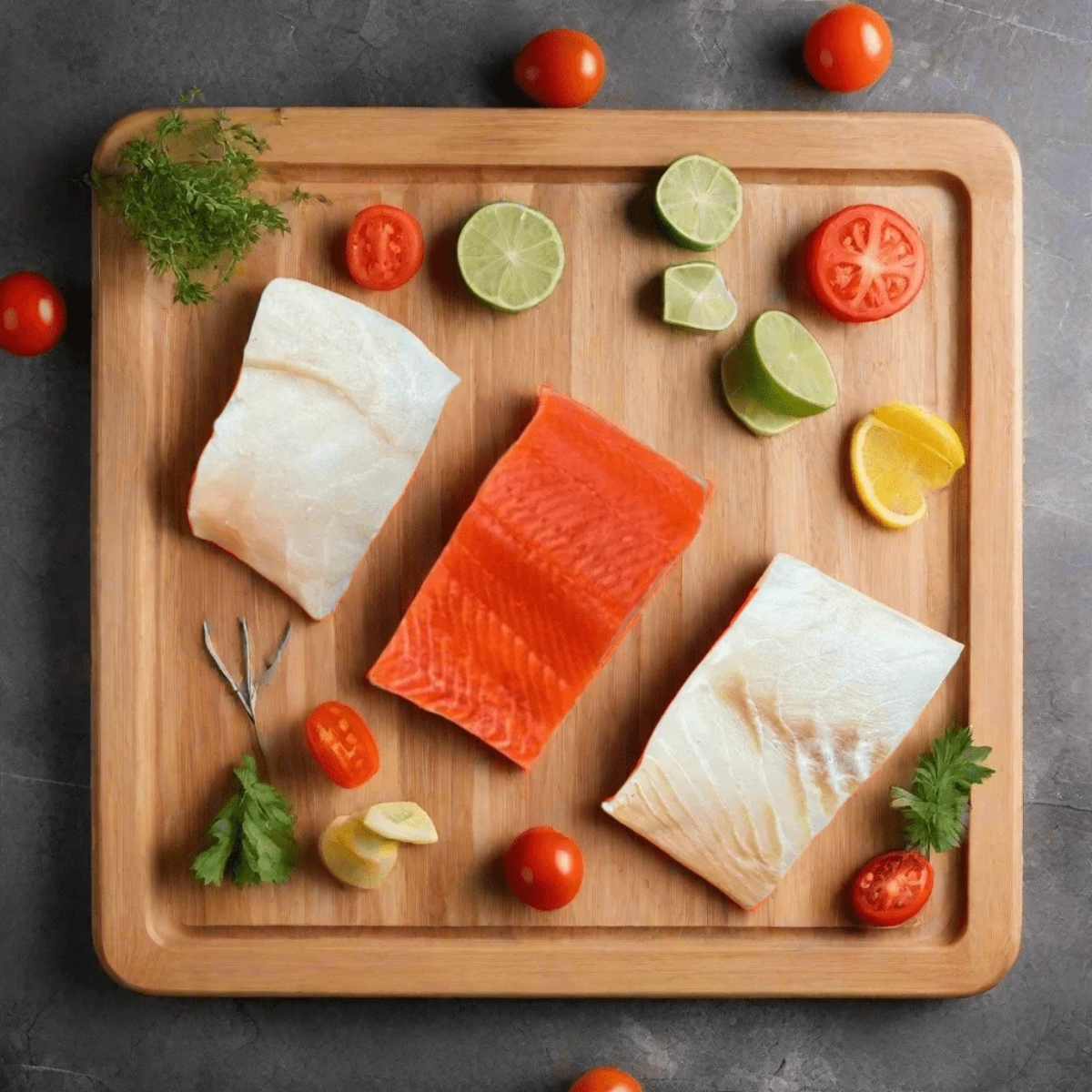
“Fresh” can be a misleading word at the supermarket counter, where fish may spend days in transit unfrozen. Freezing seafood at sea, close to harvest, is a long-standing handling practice intended to keep taste and texture closer to the condition of the catch. Net to Table sends every order flash-frozen at sea. For people seeking fresh seafood online, online seafood delivery therefore comes down to timing, cold-chain temperature, and traceability.
Net to Table was among the first Bristol Bay direct marketers to earn Responsible Fisheries Management (RFM) Chain of Custody certification for Alaska salmon, certified alongside one other operation in 2023. The family’s small-boat harvesting approach and direct distribution across the United States have also appeared in a WOOD TV8 feature and a recent seafood delivery profile.
The business rests on a straightforward proposition. Customers should know who caught their fish, where it came from, how it was handled, and why it costs what it does. For Captain Luke, keeping that route visible is the point.