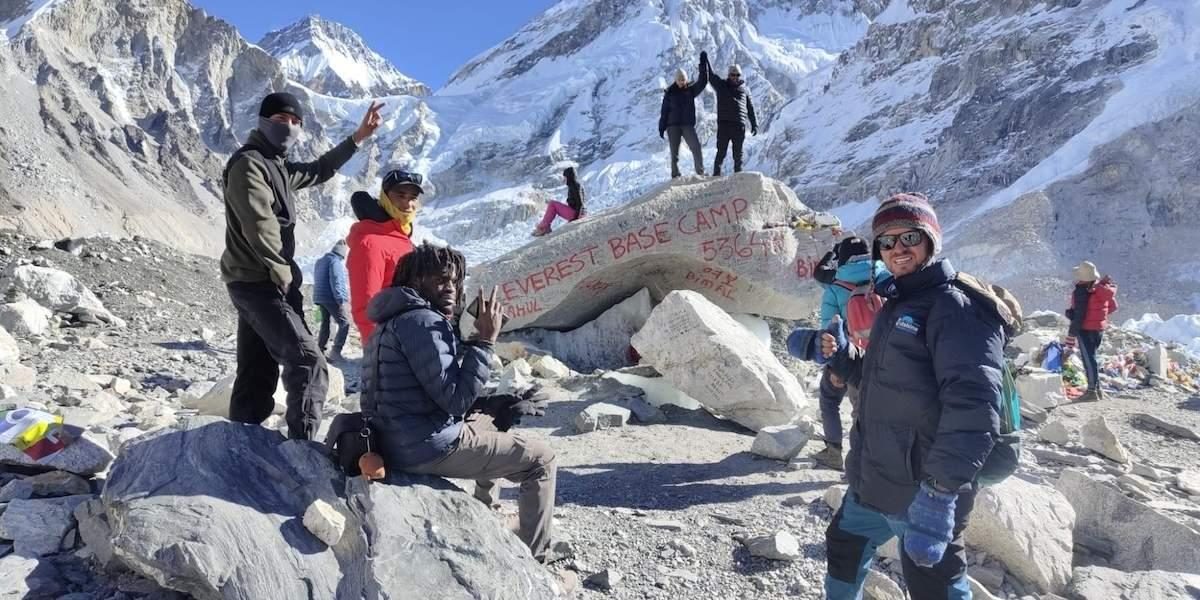

The Himalayas are often introduced through numbers: the world’s highest peaks, dramatic altitudes, challenging trekking routes, and adventures such as the Everest Base Camp Trek. But beyond the photographs, the mountains reveal another story shaped by faith, culture, community, and centuries-old traditions.
Across Nepal, Tibet, and Bhutan, mountain life is closely connected with spirituality. Prayer flags move above villages, monasteries sit beneath enormous peaks, and ancient traditions continue to influence everyday life. Yet the Himalayas are not culturally or religiously uniform. Each region has its own people, languages, beliefs, architecture, food, festivals, and way of life. For many travelers, experiencing these traditions becomes as memorable as reaching a famous viewpoint.
Nepal: Where Many Cultures Meet
Nepal is one of the most culturally diverse countries in the Himalayas. Hinduism and Buddhism have shaped much of its history, while many communities also preserve indigenous traditions connected with nature, ancestors, and local beliefs.
This diversity is visible throughout trekking regions. A mountain journey may pass Hindu temples, Buddhist monasteries, prayer walls, traditional villages, and terraced fields. Trekking in Nepal is therefore not only a physical journey but also a journey through a changing cultural landscape.
The Everest Region and Sherpa Culture
The Everest region is internationally famous for Mount Everest, but the cultural identity of the Khumbu is equally important. The region is traditionally home to Sherpa communities whose culture has been strongly influenced by Tibetan Buddhism.
Monasteries, prayer wheels, chortens, mani stones, and colorful prayer flags are common features of the landscape. Tengboche Monastery, located along the traditional route to Everest Base Camp, is one of the region’s best-known cultural landmarks.
For trekkers following the Everest Base Camp Trek, reaching Tengboche adds a cultural dimension to the mountain journey. The trail passes through forests and enormous peaks into a landscape where religion and daily life remain closely connected.
Sherpa culture should not be reduced to mountaineering. Language, Buddhist traditions, festivals, architecture, food, family life, and village communities are equally important. The mountains are not simply an adventure destination; they are home.
Manaslu: Side of Himalayan Life
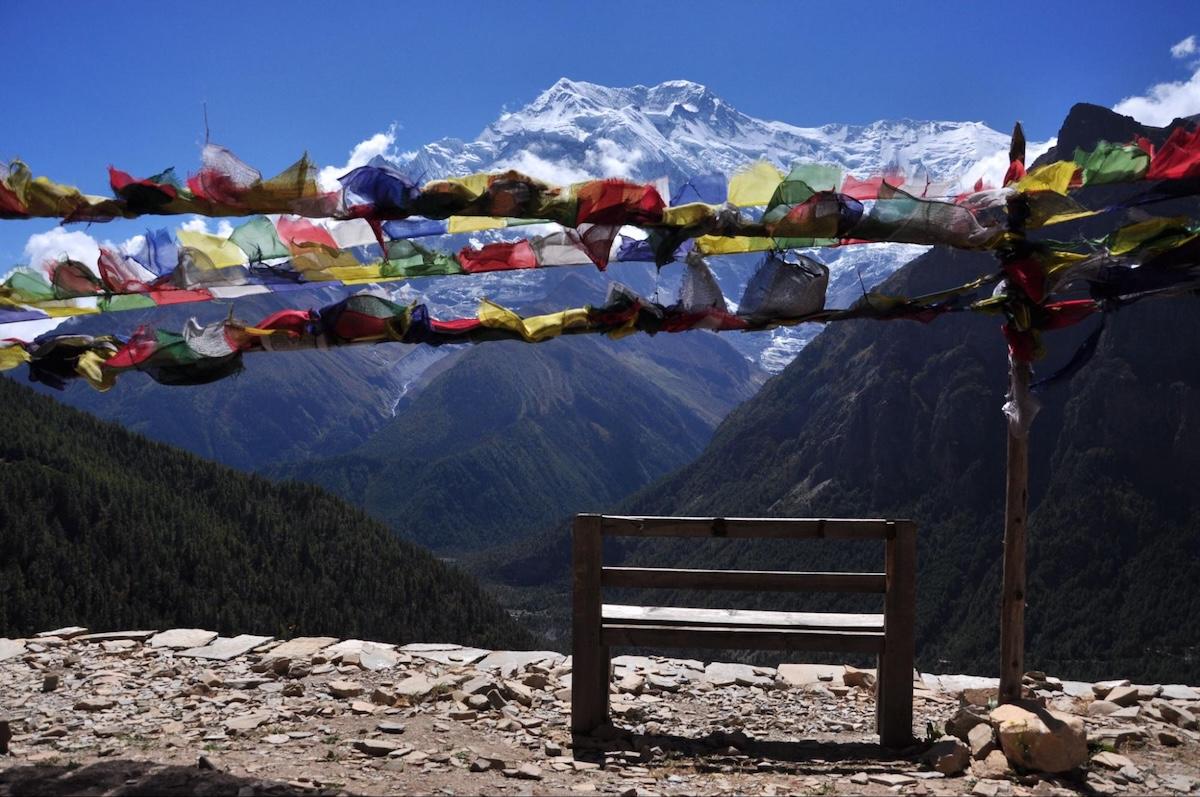
The Manaslu region offers another perspective on Nepal’s mountain culture. Compared with some established trekking destinations, it can feel quieter and more remote. As the trail climbs deeper into the mountains, villages become more isolated and Tibetan Buddhist influences become increasingly visible.
The Manaslu Circuit Trek passes mountain villages, forests, suspension bridges, terraced hillsides, monasteries, chortens, mani walls, and high passes. Cultural experiences here are closely connected to the environment.
Mountain homes reflect local traditions and climate, while prayer flags mark important places along the trail. Communities have adapted their lives around agriculture, livestock, trade, tourism, and seasonal conditions. Walking through these villages provides insight into a way of life very different from Nepal’s cities.
Annapurna:
The Annapurna region provides one of the clearest examples of Nepal’s cultural diversity. Trails pass through communities with different ethnic backgrounds, languages, traditions, architecture, and religious practices.
Lower areas may feature Hindu temples and villages surrounded by terraced farmland, while higher communities show stronger Tibetan Buddhist influences.
The Annapurna Base Camp Trek is therefore more than a route toward a spectacular mountain sanctuary. Walking through villages, meeting local people, staying in family-run teahouses, and observing traditional lifestyles shows how communities have adapted to the geography of Annapurna.
The mountains may bring travelers here, but the people often become the reason they remember the journey.
Buddhism in the High Himalayas
Buddhism has played a major role in shaping many Himalayan communities. Monasteries and gompas are not simply historic buildings; in many villages, they remain active religious and community spaces.
Prayer wheels, mani walls, stupas, chortens, and prayer flags are part of everyday life. For visitors unfamiliar with Himalayan Buddhist traditions, their meaning may not always be obvious. A knowledgeable local guide can provide useful cultural context.
A prayer wheel is more than a colorful object beside a trail, while a monastery is more than an architectural attraction. Religious practices connect with ideas of compassion, protection, karma, and spiritual well-being.
Responsible cultural travel means more than photographing religious sites. Understanding their meaning helps travelers appreciate why these places remain important to local communities.
Tibet: Culture on the High Plateau
Across the Himalayan border, Tibet offers a very different landscape but shares important cultural connections with the high mountain regions of Nepal.
The Tibetan Plateau stretches across vast distances, with high-altitude settlements, monasteries, ancient religious traditions, and dramatic mountain landscapes.
Tibetan Buddhist culture has deeply influenced the region’s architecture, art, festivals, literature, and religious practices.
Travelers taking a Tibet Tour may encounter enormous monasteries, traditional settlements, prayer wheels, incense, murals, religious sculptures, and pilgrims moving through sacred spaces.
Yet the experience is not only about religion.
Tibetan culture is also reflected in food, clothing, music, language, nomadic traditions, family life, and the relationship between communities and the high-altitude environment.
The landscape itself plays an important cultural role.
Mountains, lakes, rivers, and valleys are often viewed through spiritual as well as geographical perspectives. For visitors, this creates an experience where culture and landscape are difficult to separate.
Why Nepal Can Feel Connected to Tibet
Travelers moving through northern Himalayan regions of Nepal may notice similarities with Tibet. Centuries of trade, migration, religious connections, and cultural exchange helped spread Tibetan Buddhist traditions through many northern communities.
This shared heritage appears in monasteries, religious art, architecture, prayer flags, mani stones, and traditional practices.
However, Nepal and Tibet are not identical destinations. Nepal has a highly diverse religious landscape where Hinduism, Buddhism, and indigenous traditions coexist, while Tibet has its own distinctive cultural identity shaped by its history and geography. Their similarities create a connection, while their differences make each destination unique.
Bhutan: Where Tradition Remains Part of Everyday Life
Further east, Bhutan presents another expression of Himalayan culture. The country is known for Buddhist heritage, dramatic valleys, monasteries, dzongs, traditional architecture, and cultural preservation.
A Bhutan Tour can take travelers through landscapes where religion and traditional architecture remain closely connected with everyday life. Dzongs, fortress-like structures combining administrative and religious functions, are among Bhutan’s most distinctive landmarks.
Bhutanese culture also includes traditional dress, local food, festivals, village architecture, farming practices, music, and family traditions. One striking aspect for travelers is that culture is not presented only for visitors; it remains part of everyday life.
Festivals, Faith, and Community
Festivals bring Himalayan culture to life. Religious celebrations, masked dances, community gatherings, seasonal festivals, and local ceremonies can transform villages and monasteries into lively centers of activity.
Buddhist festivals may involve prayers, traditional music, ceremonial dances, and religious rituals. Elsewhere in Nepal, Hindu festivals and indigenous traditions add another layer to the country’s cultural diversity.
Bhutan is also known for religious festivals, particularly traditional masked dances performed at dzongs and monasteries. Experiencing these celebrations respectfully can provide insight into traditions preserved across generations.
From Trekking Routes to Cultural Journeys
One of the great strengths of Himalayan travel is the ability to combine adventure and culture.
A traveler may begin the morning walking through a forest, spend the afternoon crossing a suspension bridge, pass a centuries-old monastery, and end the day in a mountain village sharing dinner with local hosts.
The physical journey and the cultural journey happen at the same time.
That is what makes trekking routes such as Everest, Manaslu, and Annapurna so much more than hiking trails.
They are routes through living communities.
Likewise, travel through Tibet and Bhutan can combine dramatic landscapes with encounters with religious traditions, architecture, food, festivals, and local ways of life.
Experiencing the Himalayas With Local Knowledge
For travelers coming from Europe, Latin America, or elsewhere, understanding the cultural side of the Himalayas can sometimes be difficult without local context.
Experienced local tour operators can add value by providing communication and cultural knowledge. A company such as Viajes a Nepal can help Spanish-speaking travelers explore Nepal and the wider Himalayan region through trekking and cultural experiences.
Whether the goal is reaching a Himalayan base camp, exploring remote communities, discovering Buddhist heritage, or extending a journey toward Tibet or Bhutan, local expertise can help travelers experience more than the standard tourist route.
The difference can be simple but important: understanding not only where you are, but why the place matters.
The Himalayas Are a Cultural Journey, Too
The Himalayas are often described as the roof of the world. But they are also a meeting place of cultures.
From Sherpa communities in the Everest region to Tibetan-influenced villages of Manaslu, from the diverse communities of Annapurna to the high plateau of Tibet and the preserved traditions of Bhutan, every part of the Himalayas tells a different story.
Religion is woven into many of those stories, but so are family, food, language, farming, trade, festivals, architecture, and everyday mountain life.
For travelers, this creates an opportunity to experience something deeper than scenery. The mountains may first attract people to the Himalayas, but culture is often what makes them want to return.