
Utility meters and infrastructure access points have always needed a way to show if someone tampered with them. Over the decades, the methods used to protect this equipment have changed as much as the threats themselves. Security seal design has moved from simple wire and lead closures to engineered plastic and metal systems built for specific failure points.
Utility companies today face a wider range of tampering attempts than in past generations, from meter bypass schemes to unauthorized access at substations and storage facilities. Looking at how seal manufacturing has evolved offers useful context for understanding what actually works in the field. The lessons come from decades of real-world use, not just laboratory testing.
What Has Over 100 Years Of Seal Manufacturing Taught The Industry About Utility Security?
Seal manufacturing has taught the industry that security depends on matching the right seal design to the specific point of vulnerability, not on using a single universal product. American Casting and Manufacturing has been manufacturing since 1910, and that long history includes direct exposure to how tampering methods change over time. As a fourth-generation, family-owned security seals manufacturer, the company has adjusted seal construction repeatedly in response to new tampering techniques observed by utility customers and other clients in regulated industries.
The second lesson involves the value of independent testing and documented standards. American Casting and Manufacturing holds ISO 9001:2015 certification for its quality management system and produces seals that meet ISO 17712 requirements for high security applications. These standards give utility companies a way to compare seal strength using consistent, third-party verified criteria rather than manufacturer claims alone. This matters because utility infrastructure often falls under regulatory scrutiny that requires documented proof of tamper-evidence measures.
A third lesson is that manufacturing control affects reliability. American Casting and Manufacturing operates a single facility in Plainview, New York, where raw materials, production, warehousing, and shipping all happen under one roof. This structure allows the company to maintain consistent quality across large seal orders, which matters for utility providers managing thousands of meters across a service territory.
Tampering Methods Have Changed Faster Than Many Utility Programs Realize
Early utility seals relied mostly on soft metal wire closures that were simple to apply but also simple to defeat with basic tools. Over time, tampering techniques became more sophisticated, including methods to reseal a closure so it appeared untouched. This forced seal manufacturers to design products with more visible tamper indicators built into the material itself.
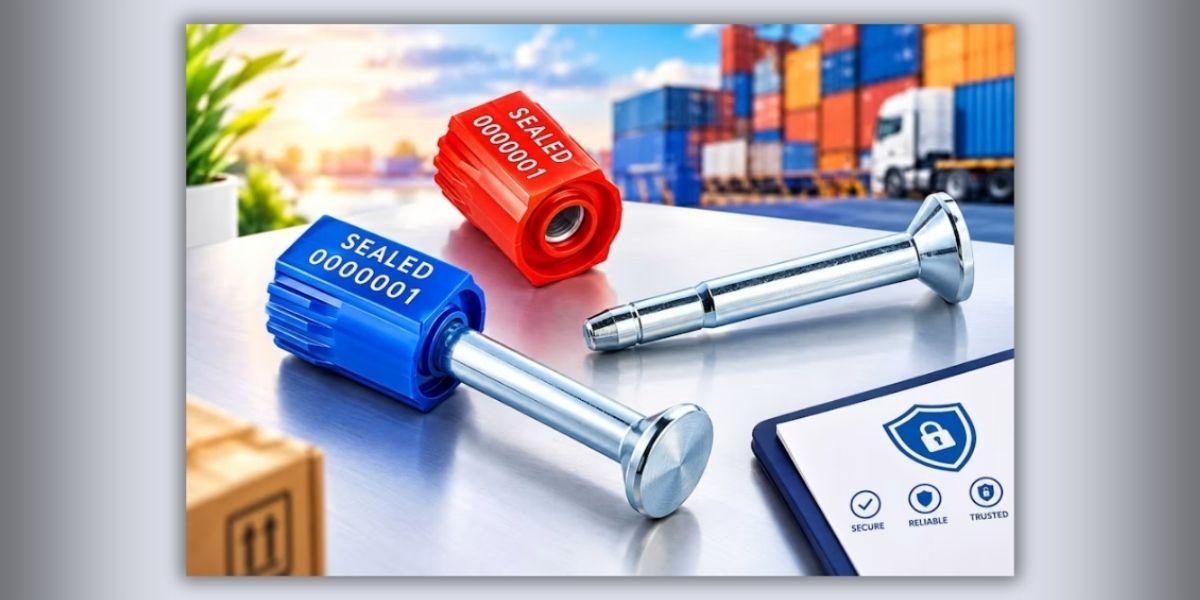
Modern tampering attempts often target the seal’s locking mechanism directly rather than trying to cut through the body. Some bypass attempts involve heat, solvents, or precision tools meant to separate the seal without breaking it. In response, bolt seals were developed with hardened steel pins and locking bodies that resist these more targeted attack methods, making them a common choice for utility infrastructure points that need a higher strength barrier than standard plastic seals provide.
Utility providers also face tampering attempts that exploit gaps in inspection routines rather than the seal itself. A seal that shows clear tamper evidence is only useful if field staff are trained to check for it consistently. This is why seal design has increasingly focused on making tamper indicators obvious even to someone doing a quick visual inspection during a routine service call.
Serialization And Barcoding Changed How Utilities Track Their Assets
One of the biggest shifts in seal manufacturing has been the move toward serialized and barcoded seals for asset tracking. Utility companies managing large numbers of meters and access points need a way to verify which seal was applied where and when. Sequential numbering and barcodes give field teams and auditors a paper trail that basic unmarked seals never provide.
This shift also changed how utility companies handle chain of custody documentation. When a seal number is logged at installation and checked again at inspection, any mismatch signals a potential problem immediately. Custom printing options, including logos, numbering, and barcodes, allow utility providers to build tracking systems that fit their existing inventory processes rather than adapting to a generic product.
Trailer seals used in transportation and logistics settings faced similar tracking demands as cargo theft prevention became more data-driven. Trailer seals built for the trucking and tanker industry now commonly include serialization features originally developed for high-volume tracking needs, showing how improvements in one sector of seal manufacturing tend to carry over into others facing comparable security challenges.
Field Conditions Shape Seal Material Selection More Than Marketing Claims Do
Utility infrastructure is often located outdoors, exposed to weather extremes, corrosion, and physical wear that laboratory testing cannot fully replicate. Seal materials that perform well in a controlled test environment do not always hold up the same way after months of exposure to heat, cold, or moisture. This is one reason manufacturing history matters when evaluating which seal to use for a specific application.
Plastic seals offer flexibility and lower cost for lower-risk applications, while metal cable and strap seals provide additional strength for higher-risk access points. The right choice depends on factors like exposure conditions, required strength level, and whether the application calls for a high security classification under ISO 17712. American Casting and Manufacturing, a security seals manufacturer with decades of field data, can offer guidance based on how materials actually perform, not just how they test in a lab setting.
Utility providers benefit from working with a manufacturer that manages customer service with a personal touch and can deliver custom orders, rush orders, and drop shipments quickly. Because tampering methods and field conditions vary by region and application, matching the seal to the actual risk profile requires input based on real-world manufacturing experience. This kind of guidance tends to reduce costly mistakes from selecting a seal that looks adequate on paper but underperforms in the field.
What This History Means For Utility Security Programs Going Forward
The pattern across a century of seal manufacturing is clear. Tampering methods evolve, testing standards get more rigorous, and tracking technology becomes more integrated into daily operations. Utility security programs that treat seal selection as a one-time decision tend to fall behind as new tampering techniques emerge. Programs that revisit their seal choices periodically, based on updated field data, tend to stay ahead of the threats they are meant to prevent.
Looking forward, utility infrastructure will likely continue to see more emphasis on serialization, material durability, and documented compliance with recognized standards. Manufacturers with a long operating history and a track record of adjusting to new tampering methods are positioned to support that shift. Utility providers evaluating their current sealing programs may find it useful to compare their existing practices against these longer term industry patterns.
About American Casting & Manufacturing
American Casting and Manufacturing has been producing security seals since 1910 and has operated as a fourth-generation family-owned business since its incorporation in 1916. The company manufactures its full product line at a single facility in Plainview, New York, is ISO 9001:2015 certified, and produces seals that meet ISO 17712 requirements for high-security applications. Those with questions about utility sealing programs can contact the AC&M team or call toll-free at (800) 342-0333.