
By: Elliot Mercer
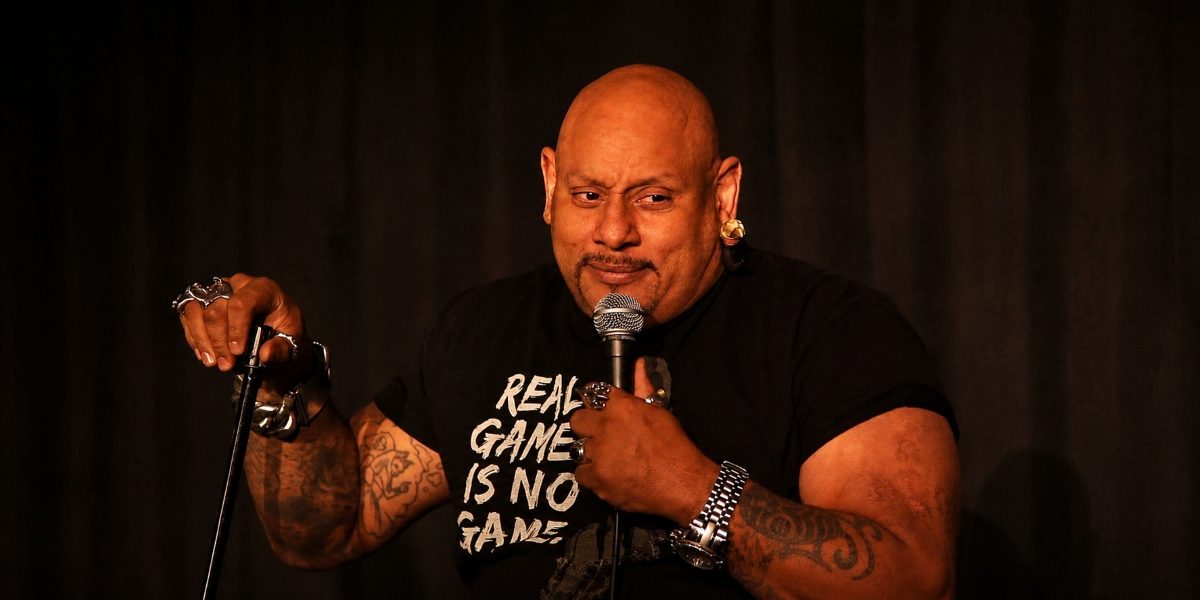
From Brooklyn streets and New York comedy clubs to Patrice O’Neal’s Black Phillip Show and Man School 202, Dante Nero’s unconventional life became an education in relationships, masculinity, and human behavior.
Dante Nero was never supposed to become a relationship strategist.
Growing up in Brooklyn, his interests pointed in almost every other direction. He trained in martial arts, became a competitive fencer, studied biology and psychology at SUNY New Paltz, and once imagined a future in genetic engineering. Along the way, he worked in foster care, spent years in New York nightlife, became a male exotic dancer, fought for money, and eventually found his way onto comedy stages.
It sounds less like a career path and more like several different lives stitched together.
But Nero believes those experiences taught him something no classroom could, showing him how people behave when they’re afraid, attracted, insecure, confident, in love, or trying desperately to appear like they have everything figured out.
Comedy gave him a place to talk about it.
For more than two decades, Nero became part of New York’s stand-up scene while building a career that also extended into television and film. His acting credits include appearances in productions such as The Blacklist, Power, Ray Donovan, Fringe and Ocean’s Eight. His official biography describes more than 60 screen credits.
But one relationship would shape the next chapter of his career more than any acting role.
Patrice O’Neal wasn’t simply another comedian Nero knew. Dante describes him as his best friend.
In 2006, the two helped create something that, in retrospect, feels remarkably ahead of its time. They launched The Black Phillip Show on Sirius XM.
Long before relationship podcasts, dating influencers and online debates about masculinity became their own media industry, O’Neal and Nero were publicly having the conversations men often reserved for private rooms, about attraction, sex, commitment, confidence, jealousy and the sometimes uncomfortable differences between what people say they want and how they actually behave.
There was comedy in it, but there was also a philosophy developing underneath it.
When O’Neal died in 2011, the recordings survived. Audiences continued discovering them online. Nero eventually continued the conversation through The Beige Phillip Show, which evolved into Man School 202, now hosted with comedian Harry Terjanian. Apple Podcasts describes the show as carrying forward the relationship conversations associated with O’Neal and The Black Phillip Show.
Today, Nero’s mission has become clearer.
He wants to give younger men a framework for manhood, relationships and life, something he believes many men were simply never taught.
That puts Nero in the middle of a cultural conversation that has grown considerably louder over the past decade. Masculinity content now ranges from thoughtful self-development to outright hostility between the sexes. Nero’s perspective doesn’t fit neatly into either extreme.
He believes men and women are different. He believes men need strength, conviction and direction. But he also believes strength without character is largely meaningless.
His personal code can be reduced to three words:
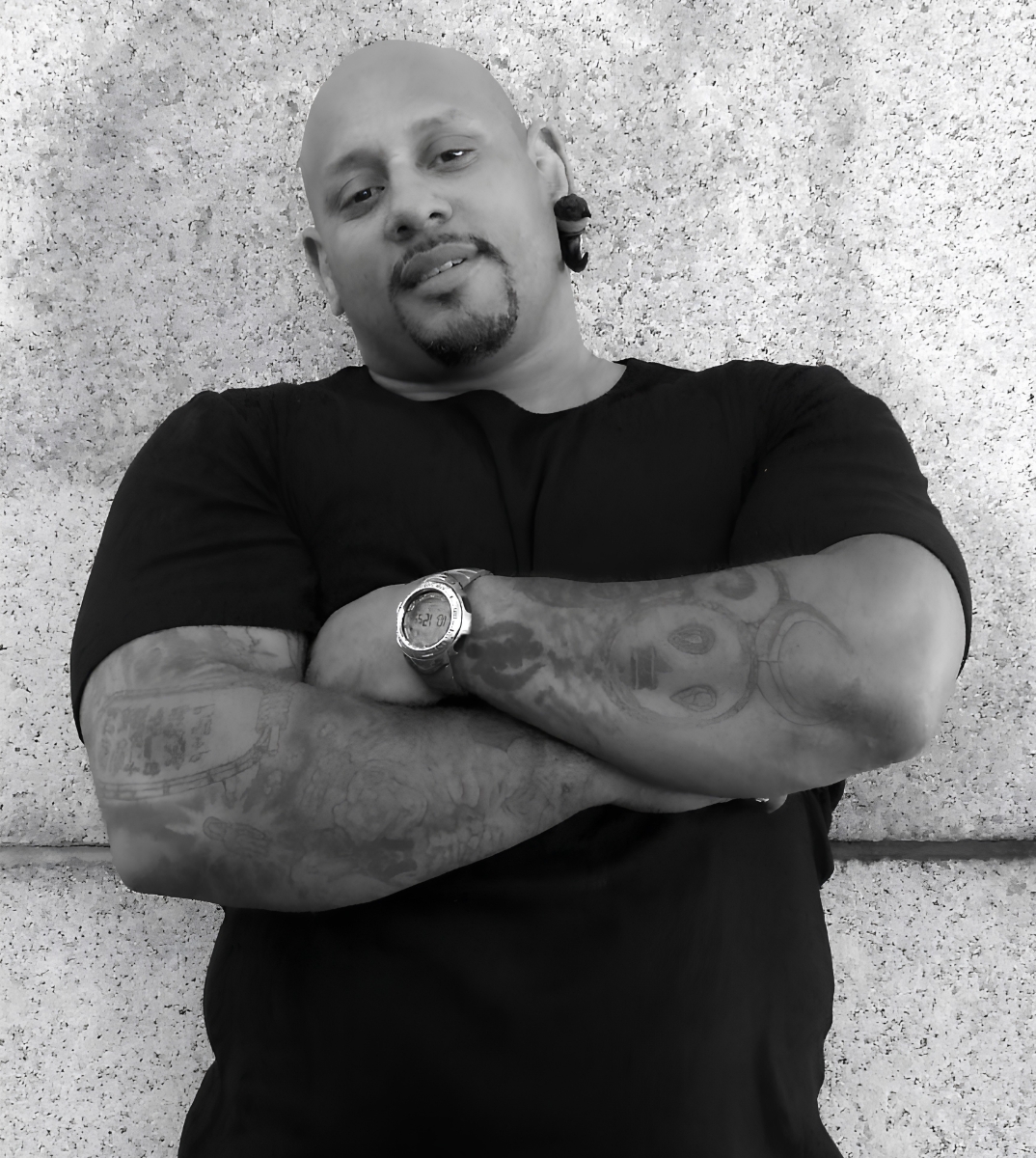
Authenticity. Credibility. Empathy.
He calls it ACE.
For Nero, empathy is not the opposite of masculinity. It’s part of becoming a better man.
“Character is the most important thing about your value,” he says.
Perhaps the most unusual ingredient in Nero’s relationship philosophy comes from the decade he spent working as a male exotic dancer. While most relationship experts study attraction from the outside, Nero spent years observing women in an environment where attraction and sexuality were anything but theoretical.
It gave him an unconventional front-row seat to the differences between what people say, what they think they want, and what they actually respond to.
Those lessons now collide with decades of comedy, psychology, street experience and conversations with thousands of men and women on Man School 202.
The show remains intentionally blunt. But underneath the humor and provocative conversations is a fairly straightforward objective: to teach people how to understand themselves well enough to stop making the same mistakes.
And for Nero, the work is becoming bigger than a podcast.
He is expanding Man School 202, developing his speaking platform and looking toward live events and a broader international audience. His official platform now includes the podcast, Patreon community, private consultations and additional Man School programming.
After decades of comedy, acting, nightlife, radio and relationships, Dante Nero has accumulated enough stories for several careers.
Yet when asked what he ultimately wants people to remember about him, he doesn’t mention television credits, comedy clubs or famous friends.
His answer is four words:
“That I made people better.”
Maybe that is the thread connecting all those seemingly unrelated lives after all.