
New York City Mayor Zohran Mamdani and the New York City Health Department announced five new enforcement and transparency measures on September 1, 2026, designed to prevent future Legionnaires’ disease outbreaks following a summer cluster on the Upper East Side that sickened 94 people and killed 11. The announcement arrived one day before a City Council oversight hearing where lawmakers introduced eight separate bills targeting cooling tower regulation, public communication, and agency accountability across the five boroughs.
Key Takeaways
- The Upper East Side Legionnaires’ cluster produced 94 confirmed cases and 11 deaths across ZIP codes 10028, 10075, and 10128 between early July and late August 2026.
- The Mamdani administration will connect Health Department and Department of Buildings tracking systems to identify unregistered cooling towers before they begin operating.
- A public citywide map showing registered cooling towers, their inspection histories, and Legionella sampling compliance is planned for launch by spring 2027.
- Enforcement hearings for cooling tower violations will now be scheduled within 15 days through the Office of Administrative Trials and Hearings.
- The City Council introduced eight bills at its September 2 oversight hearing, including proposals for a dedicated Legionnaires’ hotline, pop-up testing sites, mandatory post-outbreak analyses, and higher fines.
- New York City has approximately 6,000 registered cooling towers, and unregistered towers were linked to both the 2026 Upper East Side outbreak and the 2025 Harlem outbreak that killed seven people.
The Upper East Side Outbreak Exposed Gaps in Cooling Tower Oversight
The cluster that struck Manhattan’s Carnegie Hill and Yorkville neighborhoods this summer became the deadliest Legionnaires’ event in New York City since the 2015 South Bronx outbreak that killed 12. The New York City Health Department tested 183 cooling towers at 160 buildings in the affected area. Of those, 77 towers at 75 buildings tested PCR positive for Legionella bacteria, and 59 towers at 58 buildings returned culture-positive results confirming the presence of live bacteria. All were ordered drained, cleaned, and disinfected. The Health Department declared the exposure period over on July 31, and as of August 28, no patients connected to the outbreak remained hospitalized.
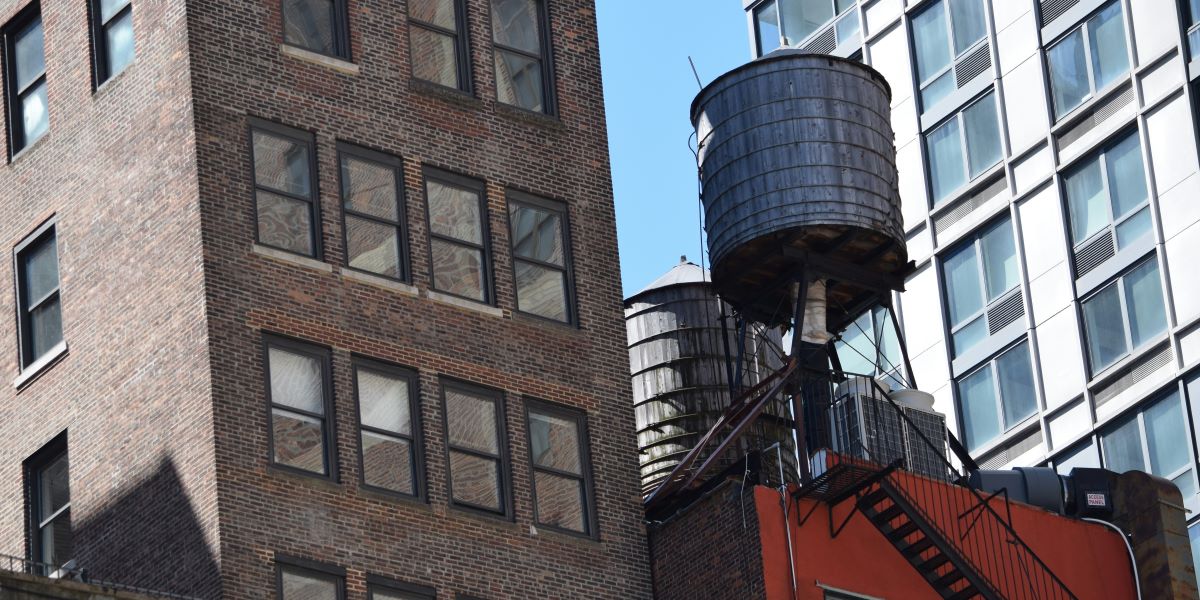
Despite the aggressive emergency response, the specific source of the outbreak remains unidentified. Genetic typing results that could confirm the origin are expected in autumn 2026. That ambiguity, combined with the fact that unregistered cooling towers were found during both the Upper East Side investigation and last summer’s Harlem cluster, has driven the push for structural changes to how the city tracks and regulates the approximately 6,000 cooling towers spread across its rooftops.
Five New Measures Target Detection, Enforcement, and Public Transparency
The Mamdani administration’s September 1 announcement focused on closing the gaps exposed by back-to-back deadly summers. The city will synchronize Health Department and Department of Buildings databases so that new cooling tower installations are flagged and registered before they begin operating, rather than discovered retroactively during outbreak investigations. The Health Department’s existing online cooling tower lookup tool will expand into a citywide interactive map, allowing residents to view any registered tower’s inspection history and whether it has met Legionella sampling requirements. That tool, along with an annual public education campaign timed to the start of cooling tower season each summer, is expected to launch by spring 2027.
On the enforcement side, the city will assign hearing dates at the Office of Administrative Trials and Hearings within 15 days for building owners who receive summonses for cooling tower violations, compressing a process that previously allowed lengthier delays. The administration will also convene a scientific advisory panel tasked with evaluating emerging cooling tower technology and alternative cooling systems, and the Health Department will explore faster culture testing methods to reduce the turnaround time between sample collection and confirmed results.
City Council Pushes Its Own Legislative Package
At the September 2 oversight hearing, led by Health Committee Chair Lynn Schulman and Council Speaker Julie Menin, lawmakers introduced eight bills that go further than the administration’s executive actions. Upper East Side Councilmember Virginia Maloney presented proposals including a dedicated Legionnaires’ disease hotline, expanded public education for at-risk residents, and a requirement that landlords provide shower hoses and safety guidance to tenants when a confirmed case is detected in their building. Other bills would establish temporary testing sites during outbreaks, create a public database of affected locations, mandate post-outbreak analyses, and raise fines beyond the current $1,000 and $2,000 penalty structure.
Health Commissioner Alister Martin supported some of the proposals but pushed back on others during testimony. Martin cautioned that mandatory temporary testing sites are not clinically appropriate for Legionnaires’ disease, which requires a full clinical evaluation rather than mass screening. Martin also challenged Intro 1006-2026, a bill that would require landlords to clean their cooling towers at least three times a year, warning that excessive use of biocide corrodes tower systems and can make them more susceptible to future bacterial growth.
Two Consecutive Deadly Summers Have Raised the Stakes
The Upper East Side outbreak follows a Legionnaires’ cluster in Harlem during the summer of 2025 that killed seven people and sickened approximately 90. That outbreak prompted the City Council to enact new cooling tower testing requirements in October 2025, which took effect on May 8, 2026, just weeks before the first Upper East Side cases were confirmed on July 2. The new law mandates that building owners test for Legionella every 31 days when their cooling towers are operating, a threefold increase from the previous testing schedule. Governor Kathy Hochul signed additional state-level legislation on August 5, 2026, requiring biannual certification of cooling tower compliance and introducing penalties of up to $12,500 for violations that result in death or serious injury.
Researchers have warned that Legionnaires’ outbreaks are likely to increase in frequency as climate change produces warmer, more humid summers that create favorable conditions for Legionella bacteria to thrive in stagnant water systems. The Harlem Legionnaires Coalition, a community group that formed after the 2025 outbreak, expressed cautious support for the new measures but stressed that enforcement, not just new rules, will determine whether the city breaks the pattern.
FAQs
What Is Legionnaires’ Disease and How Does It Spread?
Legionnaires’ disease is a severe form of pneumonia caused by Legionella bacteria. The bacteria thrive in warm, stagnant water found in systems such as rooftop cooling towers. People become infected by inhaling water vapor or mist that contains the bacteria. Legionnaires’ disease is not contagious and cannot be transmitted from person to person.
How Many Cooling Towers Does New York City Have?
New York City has approximately 6,000 registered cooling towers across the five boroughs. However, both the 2025 Harlem and 2026 Upper East Side outbreaks involved unregistered towers, which is one of the primary gaps the new enforcement measures aim to close through coordinated Health Department and Department of Buildings tracking.
When Will the Public Cooling Tower Map Be Available?
The New York City Health Department plans to launch the citywide cooling tower mapping tool by spring 2027. The map will display registered cooling towers across all five boroughs and allow residents to review each tower’s inspection history and Legionella sampling compliance records.
Has the Source of the Upper East Side Outbreak Been Identified?
As of September 2026, the specific cooling tower responsible for the Upper East Side outbreak has not been confirmed. The Health Department eliminated the source of exposure and declared the outbreak over on July 31, but genetic typing results that could identify the origin are expected in autumn 2026.