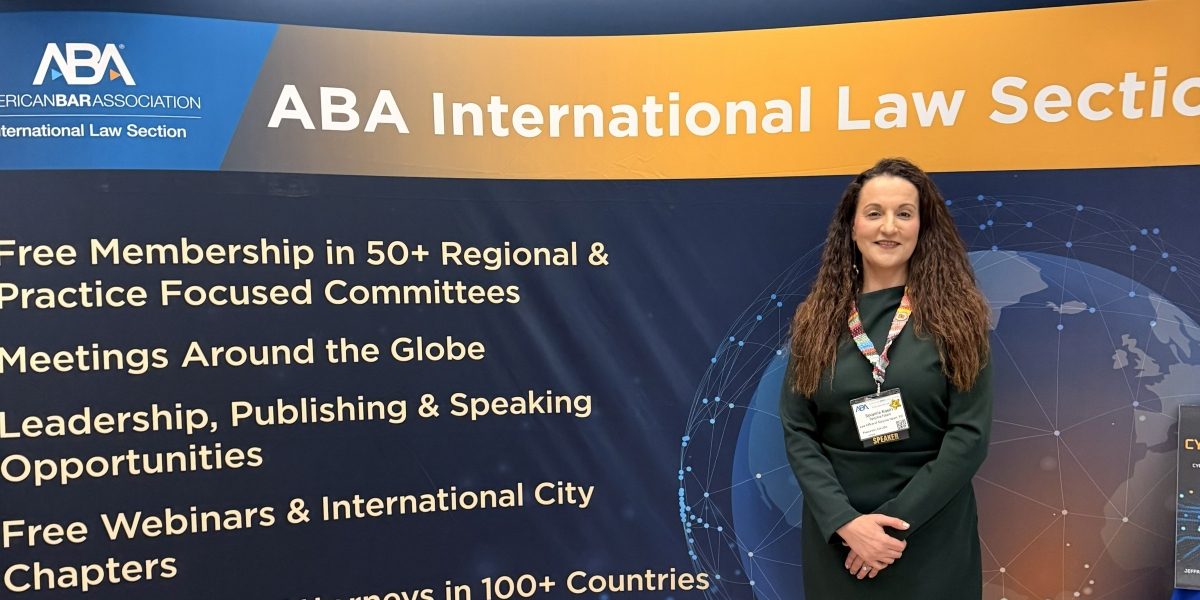

For more than eighteen years, Spojmie Nasiri has worked in one of the most demanding corners of American law. From her practice in Northern California, she has represented thousands of clients worldwide in family-based immigration, asylum, deportation defense, and naturalization. She is admitted to the California State Bar and practices before the California Supreme Court and the U.S. District Court for the Northern District of California. Fluent in both Pashto and Dari, she is widely regarded as one of the most sought-after Afghan attorneys in the country, a reputation built less on advertising than on word of mouth, on honesty, and on a record of showing up for people at the worst moments of their lives.
How she arrived at this work is no secret to anyone who knows her. She came to the United States as a refugee from Afghanistan when she was approximately six years old. She was separated from her mother, who remained in Pakistan, for approximately five years as the family moved through an immigration system that rarely moves quickly. When mother and daughter were finally reunited, Nasiri said the long absence in her life had closed over, a sense of completion she had waited years to feel. She does not dwell on that period, but she does not hide from it either. It is the reason she practices the kind of law she practices.
The Work, Up Close
What distinguishes Nasiri from many of her peers is not a line on her résumé. It is that she has stood where her clients now stand. She understands the particular fear of waiting for a decision you cannot control, and she counsels clients through the process with a patience born of experience rather than training. Much of her work is the hardest kind: deportation defense, asylum claims, the cases where a family’s future hangs in the balance, and she approaches each one as the single most important case in the life of the person sitting across from her, because for them it is.
That combination of legal precision and lived empathy has made her practice a destination for families with nowhere else to turn. Clients come to her not only for her command of a body of law that seems to shift every few months, but because she treats their stories as more than files. She has built her career on the conviction that competent representation and genuine compassion are not separate things.
Beyond The Individual Case
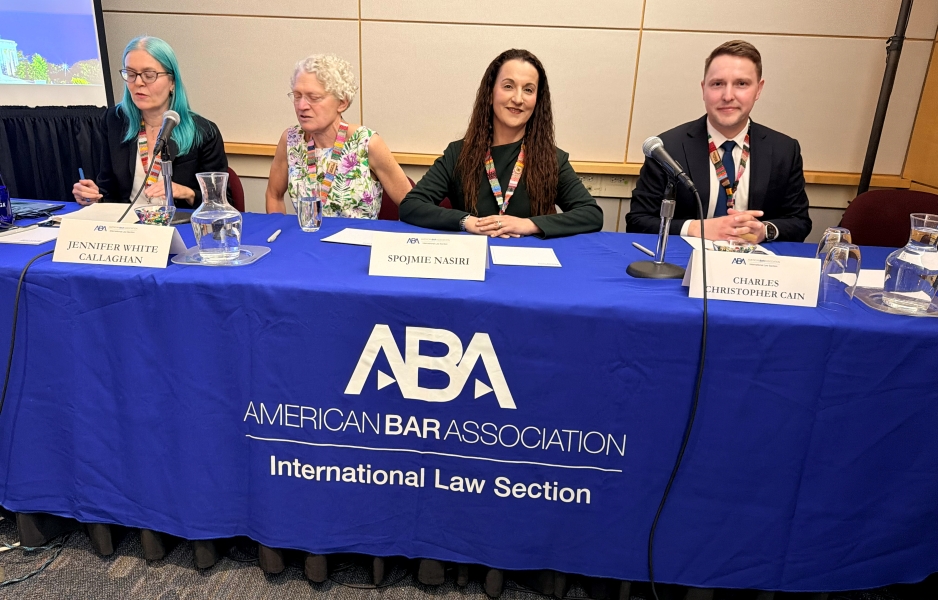
Over time, Nasiri’s influence has extended well past her own caseload. She serves on the American Bar Association’s Commission on Immigration and is an active member of the American Immigration Lawyers Association (AILA) and the Alameda County Bar Association. She sits on the board of the Afghan American Community Organization, an institution rooted in the community that shaped her.
She has also worked to strengthen the field itself. She co-authored scholarly work with the University of Southern California Gould School of Law’s International Human Rights Clinic, focused on protections for newly arrived Afghans and other vulnerable populations. She has written practice advisories that other immigration attorneys rely on to navigate new policy. And she is a frequent panelist and featured speaker at AILA conferences, ABA forums, and international gatherings, where she shares what she has learned with colleagues looking to do the work better.
Recognition, She Rarely Mentions
The honors have followed, even if she rarely raises them herself. In 2019, she was inducted into the Alameda County Women’s Hall of Fame for her commitment to immigration law and community service. In 2021, she received the Minority Bar Coalition Unity Award from AILA’s Northern California Chapter. Her pro bono work on behalf of the Afghan community was formally recognized in the Congressional Record, and she received the AILA President’s Commendation Award in both 2022 and 2023.
Talk to her, though, and the awards seldom come up. What comes up are the cases and the families, the people whose names she still remembers long after their files closed. The recognition matters to her mainly because it gives her a larger platform for the work that actually drives her.
Holding Steady In A Harder Climate
That platform has become more important as the climate around immigration has grown sharper. Policies change with little warning, rhetoric has hardened, and the people with the least power are the ones who absorb the consequences. Nasiri does not pretend the work has gotten easier. What she insists on is staying hopeful and continuing to protect the rights of immigrants under the Constitution, not as a slogan, but as a discipline she has chosen and tested over many years.
She is clear about where she wants to take that conviction next: more advocacy at the national and international levels, more speaking, and more work mentoring young women of color now entering a profession not built with them in mind. She came up without a family roadmap through the legal system, leaning on mentors where she could find them, and she is determined that the next generation will not have to navigate it alone.
In the end, every family she helps reunite carries an echo of her own reunion decades ago. She was six when she learned what it felt like to be missing a piece of her life. She has spent the years since making sure other people get their pieces back.