
By: Shawn Mars
As the world arrives for the 2026 World Cup, a familiar American mobility problem is suddenly visible, and one Austin founder believes the solution is already on the road.
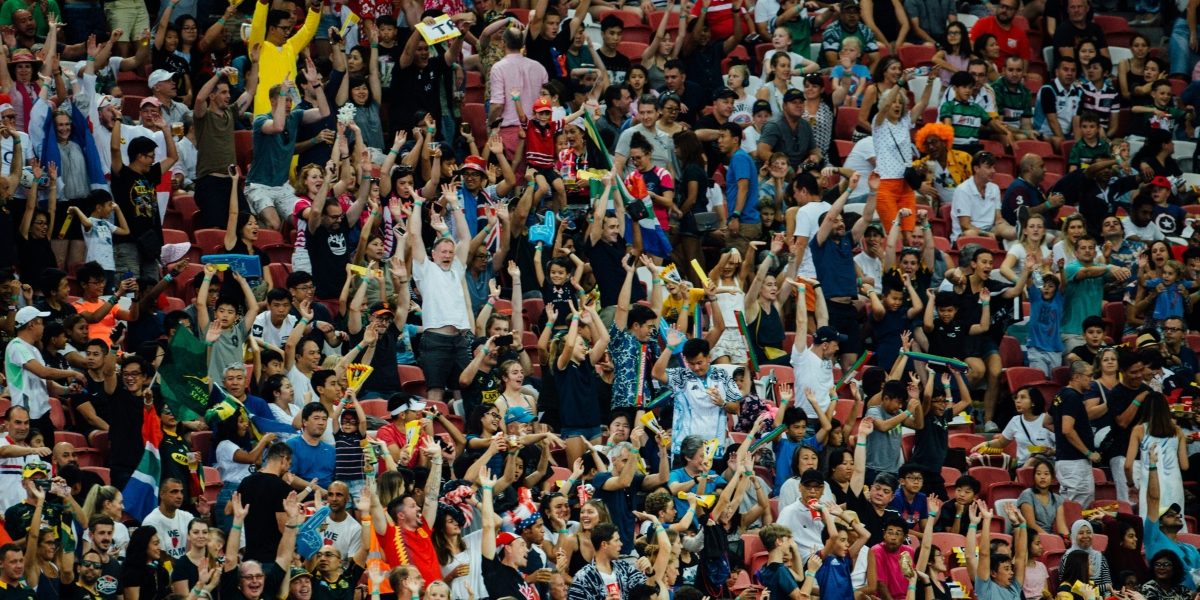
When international football fans arrive in the United States, many expect large stadiums, long highways, and the energy of one of the world’s biggest sporting events. What some do not expect is how difficult it can be to move between cities, airports, hotels, and stadiums without a car.
For visitors from Europe, the contrast is sharp. In many countries, stadiums sit near the heart of the city, connected by trains, trams, and walkable streets. In much of the U.S., that experience looks very different. One visitor traveling through New York and Houston described the surprise of needing multiple flights and long road trips just to attend matches across different cities. “Back home, stadiums are usually part of the city,” the visitor said. “Here, the distance between airports, hotels, and stadiums feels like a whole trip by itself.”
FIFA is not the cause of this problem. The tournament is simply making a long-standing American transportation gap more visible. Outside a few major metros, mobility depends heavily on private cars. Intercity trains are limited, bus routes can be slow or fragmented, and rideshare apps that work well for short urban trips become costly very quickly over distance. The gap affects students, workers, and regional commuters just as much as tourists. A person traveling from a university town to a major airport often has no simple option other than informal WhatsApp ride groups or an expensive last-minute booking.
The roots run deep. After World War II, American development centered on highways, suburbs, and private vehicle ownership. Stadiums, airports, and housing were built around parking lots rather than rail stations. That left millions of people, including visitors, students, and low-income travelers, dependent on a system that does not always work for them. The 2026 World Cup, spread across the United States, Canada, and Mexico, is exposing that mismatch at scale.
The obvious answer is better public transportation, but that infrastructure takes years to build. That is where shared long-distance rides may fill the gap. Every day, thousands of vehicles already travel between cities such as Houston, Austin, Dallas, College Station, New York, and Philadelphia, many with empty seats. The missing piece is not supplied. It is coordination, trust, and timing.
Yogesh Rethinapandian, the Austin-based founder of Kamuit, a transportation technology company focused on shared long-distance travel, says the solution may already be moving on the same roads.
“The problem did not start today,” Rethinapandian said. “But in many cases, the solution is already in front of us. Someone is already driving from one city to another. Someone else needs to make that same trip. What has been missing is a trusted network that connects those people safely and at the right time.”
Early demand suggests the need is real. Kamuit logged more than 450 active trips within the first 72 hours of its launch. The platform now handles more than 1,000 active trips a day, and Rethinapandian believes that early momentum could translate into significant growth by the time the 2028 Los Angeles Olympics arrive.
The model is built around scheduled, community-based travel: drivers already making intercity trips share open seats with verified riders. Kamuit targets regional corridors where existing options are limited, starting with university towns like College Station, where students regularly travel to Houston, Austin, or Dallas for airports and internships but face fragmented options. The platform uses verified users, scheduled routes, and route clusters, with AI-assisted dispatching planned to improve matching over time. The aim is not to replace trains or traditional rideshare, but to fill the space between them.
FIFA visitors may be making the problem visible right now, but for millions who already live, study, and travel across the United States, the need for a better shared-mobility system has been clear for years. The 2028 Olympics in Los Angeles will raise the same questions again. For many underserved corridors, shared long-distance rides that use America’s highway network may be the most practical answer available.