The Executive Who Builds More Than Businesses: Dr. Talvia Peterson’s Blueprint for Leadership, Wealth, and Lasting Impact

By: Shawn Mars

Every generation produces business leaders who redefine what success looks like.

Some are recognized for building profitable companies. Others are admired for transforming industries. A select few leave a legacy that extends far beyond business by creating opportunities that continue changing lives long after individual achievements have been celebrated.

Dr. Talvia Peterson belongs in that distinguished category.

For more than twenty five years, she has built an extraordinary career that seamlessly bridges corporate leadership, entrepreneurship, real estate, executive coaching, financial education, and community service. Throughout every stage of her professional journey, one principle has remained unwavering.

Leadership is not about accumulating influence.

Leadership is about using influence to elevate others.

That philosophy has become the driving force behind a career that continues to inspire entrepreneurs, executives, real estate professionals, and emerging leaders across the United States while creating measurable impact within the communities she serves.

Today, Dr. Peterson serves as Chief Executive Officer and Founder of A Pink Success, LLC, Owner of Here to Serve Realty, Broker in Charge and Branch Manager with Long and Foster Real Estate, and an approved North Carolina Real Estate Instructor. While these titles reflect remarkable professional accomplishment, they tell only part of her story.

Behind every title is a leader who has dedicated her career to helping people recognize possibilities that often seem beyond their reach.

Her professional foundation was established in corporate banking, where she served as Vice President for a national financial institution. Working directly with individuals, families, and business owners during pivotal financial moments gave her a unique understanding of the challenges preventing many people from achieving long term financial security.

She witnessed firsthand how knowledge often determines opportunity.

The experience profoundly shaped her career.

Rather than remaining within corporate leadership, Dr. Peterson chose to pursue a broader mission focused on helping others understand financial literacy, build sustainable businesses, create wealth, and achieve economic independence.

It was a decision that would ultimately allow her to impact far more lives than any single corporate position could have provided.

Over the years, she successfully expanded her entrepreneurial portfolio across multiple industries, including banking, real estate, executive coaching, leadership development, and the beauty industry.

Each business reflected a consistent philosophy.

People thrive when leaders invest in their growth.

As an Independent Sales Director, she ranks among the top two percent of leaders within her organization while expanding internationally into Brazil and Colombia. Her exceptional ability to recruit, mentor, and develop high performing teams earned her recognition as Georgia’s Top Recruiter, reinforcing her reputation as a leader who understands how to build organizations through people rather than simply through processes.

Photo Courtesy: Emma Barcel

That people first approach has become one of the defining characteristics of her leadership.

Whether mentoring a new entrepreneur launching a first business, coaching an executive leading a growing organization, or educating future real estate professionals, Dr. Peterson consistently emphasizes that lasting success begins with personal growth.

Technical expertise matters.

Business strategy matters.

Market knowledge matters.

But leadership remains the multiplier that determines whether talent ultimately produces extraordinary results.

Nowhere is that philosophy more evident than within her work in real estate.

As Broker-in-Charge and Branch Manager at Long & Foster Real Estate, Dr. Peterson oversees professionals who help families achieve one of life’s most significant milestones.

Homeownership represents much more than property ownership.

It represents stability.

Financial growth.

Legacy.

Generational opportunity.

Understanding the profound responsibility that accompanies those transactions, she has devoted herself to raising professional standards while ensuring clients receive knowledgeable, ethical, and compassionate service.

Her commitment to education extends naturally into her role as an approved North Carolina Real Estate Instructor, where she prepares future professionals with both technical expertise and leadership principles that will serve them throughout their careers.

For Dr. Peterson, teaching has never been limited to delivering information.

It has always focused on developing leaders.

That commitment extends throughout organized real estate as well.

She has served as President of the Women’s Council of REALTORS Greater Triangle Network and currently serves on both the Raleigh Regional Association of REALTORS Board of Directors and the North Carolina REALTORS Board of Directors.

Her leadership contributions span finance, leadership development, professional standards, risk management, professional development, diversity initiatives, and organizational governance.

These responsibilities require strategic vision, collaborative leadership, and an unwavering commitment to advancing the profession as a whole.

Colleagues consistently recognize Dr. Peterson for bringing each of those qualities to every leadership role she accepts.

Her influence extends well beyond business.

As an executive coach, keynote speaker, and leadership educator, Dr. Peterson has become known for helping professionals develop the confidence, discipline, and vision necessary to build meaningful careers.

Her presentations combine practical business insight with personal development strategies that encourage audiences to pursue excellence while maintaining integrity and purpose.

Those same themes appear throughout her writing.

Her bestselling Amazon book, Never Do Average: A Five Minute Inspirational Gratitude Journal, has inspired readers to intentionally cultivate gratitude while refusing to settle for mediocrity.

She later contributed to Trust the Process, encouraging entrepreneurs and professionals to embrace perseverance, maintain focus, and continue pursuing their vision even during challenging seasons.

Her message resonates because it reflects the principles that have guided her own success.

Consistency.

Discipline.

Integrity.

Service.

Continuous learning.

These values have positioned Dr. Peterson as one of today’s most respected voices in leadership development.

National media organizations have repeatedly sought her perspective on entrepreneurship, business leadership, professional development, and community impact.

Her work has been featured through television, radio, newspapers, magazines, and digital publications including FOX 40, WRAL, Z106.3, Bakersfield.com, FortWayne.com, Style Magazine, Beacon, News 4 Tucson, Santa Maria Times, The Sun Chronicle, Applause Magazine, and numerous additional media outlets across the country.

Recognition has followed a career defined by excellence.

Among her many honors are the Presidential Lifetime Achievement Award, the 44th Presidential Legacy Lifetime Achievement Award recognizing Black History Month and Black Excellence, the Property Empire Builder Award, and the Committee Chairperson of the Year Award.

Yet perhaps one of the achievements she values most reflects her dedication to community leadership.

Dr. Peterson led a coalition of women whose advocacy resulted in the State of Georgia officially recognizing April 10, 2009, as 100 Black Women Empowerment Day through House Resolution 913. The historic recognition celebrated “A United Voice for Change: A Day of Empowerment and Motivation” and demonstrated the power of collective leadership to influence public policy and inspire future generations.

Her passion for service also extends through Alpha Kappa Alpha Sorority, Incorporated, where she currently serves as Awards and Protocol Chairman after holding numerous additional leadership positions supporting scholarship, civic engagement, leadership development, and community service.

Her academic accomplishments further reflect her commitment to lifelong excellence.

She earned her Master of Business Administration from the University of Central Florida and her Bachelor of Science degree from the University of Florida. In recognition of her exceptional contributions to leadership and community impact, she was also awarded an Honorary Doctorate from Trinity International University of Ambassadors.

While her credentials, awards, and leadership positions are impressive, they do not fully explain why Dr. Talvia Peterson continues to influence so many people.

Her greatest accomplishment is not found on a résumé.

It is found in the entrepreneurs whose businesses continue to grow because she believed in them.

The professionals who discovered confidence because she mentored them.

The families who achieved homeownership because she guided them.

The leaders who now inspire others because she invested in their development.

In an age where business success is often measured by financial performance alone, Dr. Talvia Peterson reminds us that the greatest return on investment will always be people.

Her career demonstrates that authentic leadership creates ripple effects that extend far beyond individual organizations.

It strengthens industries.

It builds communities.

It inspires future leaders.

It creates legacies.

After more than twenty five years of leadership, entrepreneurship, education, and service, Dr. Talvia Peterson continues to prove that true executive success is never measured solely by what one builds.

It is measured by how many others rise because of your leadership.

That is the kind of legacy that endures.

And it is precisely the legacy Dr. Talvia Peterson continues to build every single day.

Saan Enzo on Building a Business After Vine

Saan Enzo is a Canadian entrepreneur who has built a successful career by adapting to the fast-changing world of social media. Before focusing on business, he was active on Vine, the short-form video app that became popular for its six-second clips. Like many creators on the platform, he spent time making entertaining content and learning what attracted viewers online.

Creating videos on Vine gave Saan more than an audience. It helped him understand how social media works, what people enjoy watching, and how online communities grow. Those lessons later became valuable as he moved into the business side of the digital world.

When Vine shut down in 2017, many creators lost the platform they had worked hard to build. Some stopped creating content, while others searched for new opportunities. Saan chose a different path. Instead of focusing only on making videos, he started using his knowledge of social media to build businesses and help brands improve their online presence.

Over time, he became more involved in digital marketing, business development, and influencer partnerships. He began working with companies that wanted to reach larger audiences through social media. His experience as a creator allowed him to understand both the needs of brands and the way influencers connect with their followers, making it easier to build partnerships that benefit everyone involved.

Today, Saan continues to expand his work in the digital marketing industry. He looks for creative ways to connect businesses with the right audiences and believes that successful marketing is about building real relationships instead of simply promoting products. As social media platforms continue to change, he stays focused on finding new ideas and adapting to new trends.

One of his current goals is to work with influencers in New York City. He plans to collaborate with creators across industries such as fashion, lifestyle, entertainment, and business to develop marketing campaigns that feel natural and reach the right people. By bringing together brands and creators, he hopes to build partnerships that last beyond a single campaign and create value for everyone involved.

Saan also understands that success in the digital space requires constant learning. Social media platforms, marketing strategies, and online trends are always changing, and staying competitive means being willing to adjust. Rather than relying on one platform or one idea, he continues to look for new opportunities and different ways to grow.

His career is an example of how adapting to change can open new doors. What began with creating short videos on Vine has grown into a business focused on digital marketing, influencer collaborations, and brand development. Through hard work and a willingness to evolve, Saan Enzo has turned his early experience as a content creator into a career that continues to grow while helping businesses and creators succeed in today’s digital world.

New York Becomes First State To Impose Statewide Data Center Moratorium

Governor Kathy Hochul signed an executive order on July 14 halting state permits for new hyperscale data centers in New York, making the state the first in the nation to impose a statewide pause on the AI-driven construction boom. The moratorium targets facilities requiring 50 megawatts or more of power and will last up to one year while the Department of Public Service develops environmental, energy, and water-use standards for future projects.


Key Takeaways

  • Governor Hochul’s executive order pauses permitting for new hyperscale data centers requiring 50 or more megawatts for up to one year.
  • The Department of Public Service will develop new regulatory standards addressing environmental impact, energy demand, and water use before the ban lifts.
  • The New York State Legislature passed its own moratorium bill in June, but Hochul opted for an executive order for immediate effect.
  • The moratorium faces pushback from trade unions and tech industry groups who argue the pause threatens jobs and cedes AI infrastructure ground to global competitors.
  • New York’s grid queue already includes 48 large-load projects totaling more than 11 gigawatts, driven largely by data center proposals.


What Does The Executive Order Actually Do?

The executive order stops the state from issuing environmental permits for any new data center project at the hyperscale level, defined as facilities consuming 50 megawatts or more. The pause takes effect immediately and runs until the Department of Public Service finalizes a new regulatory framework, a process Hochul’s office estimated would take up to 12 months.

Once those standards are in place, the moratorium lifts, and developers would need to meet the new requirements to move forward. Hochul has specified that operators should either pay a premium for increased energy supply or generate their own power. The governor also wants data center developers to fund local infrastructure improvements in communities where they build, ensuring that host municipalities share in the economic upside rather than only absorbing the strain on local resources.

The order differs from a one-year moratorium bill the New York State Legislature passed in early June, known as the Responsible Data Center Development Act. Hochul’s office described that legislation as too complex and opted instead for the executive action, which bypasses the signing process and takes effect upon issuance.

Why Did Hochul Act Now?

The rapid expansion of artificial intelligence has created an enormous appetite for computing infrastructure. Hyperscale data centers house thousands of servers and demand massive amounts of electricity and a steady water supply for cooling systems. As of January 2026, the New York Independent System Operator’s interconnection queue included 48 projects representing a combined total of more than 11 gigawatts of new large-load demand, much of it driven by data center proposals.

That level of demand carries real consequences for everyday utility customers. Environmental advocacy organization Earthjustice noted that one in four New Yorkers already cannot afford their energy bills, even before accounting for the grid strain these facilities would impose. Hochul herself framed the order as a consumer protection measure, stating that data center development threatens to drive up utility costs, deplete natural resources, and create uncertainty for New York residents.

The governor has been building toward this action since at least early 2026, when her administration launched the Energize NY Development initiative through the Public Service Commission. That proceeding was designed to modernize how large energy users connect to the grid while explicitly requiring that high-demand projects cover the infrastructure costs they create rather than passing those expenses on to ratepayers.

How Is The Industry Responding?

The moratorium has drawn sharp criticism from construction trade unions and technology sector advocates. United Association of Union Plumbers and Pipefitters General President Mark McManus called the move shortsighted, arguing that it eliminates union construction jobs. McManus urged Hochul to work with labor to implement guardrails rather than halt development entirely.

Tech companies and their industry allies have made a broader economic argument, contending that blocking data center construction could cede ground to China in the global race to build out AI infrastructure. Data center proponents have also pointed to the economic benefits these facilities bring to host communities, particularly in upstate regions where large-scale construction projects represent significant local investment.

Hochul’s Republican opponent in the 2026 governor’s race, Nassau County Executive Bruce Blakeman, opposes a statewide moratorium and has argued that local governments should retain the authority to negotiate directly with developers. That position creates a clear dividing line on a pocketbook issue that is resonating with voters across the political spectrum: energy costs and affordability.

Where Does New York Fit In The National Picture?

New York is the first state to enact a statewide moratorium, but the pushback against data centers has been building across the country. Dozens of cities and counties have imposed their own temporary bans, and moratorium proposals have surfaced in at least a dozen state legislatures. Maine came close earlier this year, but Democratic Governor Janet Mills vetoed a similar measure because it would have blocked a proposed facility in a town struggling after the closure of a local mill.

The New York action carries outsized symbolic weight because of the state’s role as a business and technology hub, even though it has not yet attracted the largest hyperscale data centers that dominate markets in Virginia, Texas, and the Pacific Northwest. The moratorium signals that even states eager to attract AI investment are drawing limits on unchecked infrastructure expansion when the costs fall on residential ratepayers.

For New York consumers, the practical question is whether the one-year pause produces a regulatory framework that genuinely protects utility bills while still allowing the state to compete for technology investment. Hochul has positioned the moratorium as temporary and purposeful, not a permanent barrier, but the strength of the standards that emerge from the Department of Public Service review will determine whether that framing holds.


FAQs

What is a hyperscale data center? A hyperscale data center is a large-scale computing facility housing thousands of servers, typically consuming 50 or more megawatts of power. These facilities support cloud computing, artificial intelligence, and enterprise-level data processing and require significant water supplies for their cooling systems.

How long does the New York data center moratorium last? The moratorium lasts up to one year, or until the Department of Public Service completes new regulatory standards addressing environmental impact, energy demand, and water use. Once those standards are finalized, the pause on new permits is lifted.

Does the moratorium affect existing data centers in New York? The executive order applies only to new hyperscale data center projects requiring state environmental permits. Facilities already operating or already permitted are not affected by the pause.

Why did Hochul use an executive order instead of signing the legislature’s bill? Hochul’s office described the legislative moratorium bill as too complex and requiring additional work. The executive order takes effect immediately upon signing, allowing the governor to implement the pause without waiting for further legislative refinement.

Has any other state imposed a similar moratorium? New York is the first state in the nation to enact a statewide data center moratorium. Dozens of cities and counties have enacted local bans, and at least a dozen states have considered similar measures. Maine came closest, but Governor Janet Mills vetoed the proposal earlier in 2026.

What happens after the moratorium ends? New data center projects would need to comply with the regulatory standards developed during the pause. Hochul has indicated that developers should either pay for grid upgrades their projects require or generate their own power, and that host communities should receive infrastructure investment as part of any approved project.

How does this affect New York’s position in the AI industry? Tech industry groups argue the moratorium could push data center investment to other states or countries. Hochul has countered that the state still welcomes AI businesses but expects operators to protect resources and contribute to the communities where they build.

FIFA Visitors Are Exposing America’s Car-Centric Travel Gap, and the Fix May Start With Shared Long-Distance Rides

By: Shawn Mars

As the world arrives for the 2026 World Cup, a familiar American mobility problem is suddenly visible, and one Austin founder believes the solution is already on the road.

When international football fans arrive in the United States, many expect large stadiums, long highways, and the energy of one of the world’s biggest sporting events. What some do not expect is how difficult it can be to move between cities, airports, hotels, and stadiums without a car.

For visitors from Europe, the contrast is sharp. In many countries, stadiums sit near the heart of the city, connected by trains, trams, and walkable streets. In much of the U.S., that experience looks very different. One visitor traveling through New York and Houston described the surprise of needing multiple flights and long road trips just to attend matches across different cities. “Back home, stadiums are usually part of the city,” the visitor said. “Here, the distance between airports, hotels, and stadiums feels like a whole trip by itself.”

FIFA is not the cause of this problem. The tournament is simply making a long-standing American transportation gap more visible. Outside a few major metros, mobility depends heavily on private cars. Intercity trains are limited, bus routes can be slow or fragmented, and rideshare apps that work well for short urban trips become costly very quickly over distance. The gap affects students, workers, and regional commuters just as much as tourists. A person traveling from a university town to a major airport often has no simple option other than informal WhatsApp ride groups or an expensive last-minute booking.

The roots run deep. After World War II, American development centered on highways, suburbs, and private vehicle ownership. Stadiums, airports, and housing were built around parking lots rather than rail stations. That left millions of people, including visitors, students, and low-income travelers, dependent on a system that does not always work for them. The 2026 World Cup, spread across the United States, Canada, and Mexico, is exposing that mismatch at scale.

The obvious answer is better public transportation, but that infrastructure takes years to build. That is where shared long-distance rides may fill the gap. Every day, thousands of vehicles already travel between cities such as Houston, Austin, Dallas, College Station, New York, and Philadelphia, many with empty seats. The missing piece is not supplied. It is coordination, trust, and timing.

Yogesh Rethinapandian, the Austin-based founder of Kamuit, a transportation technology company focused on shared long-distance travel, says the solution may already be moving on the same roads.

“The problem did not start today,” Rethinapandian said. “But in many cases, the solution is already in front of us. Someone is already driving from one city to another. Someone else needs to make that same trip. What has been missing is a trusted network that connects those people safely and at the right time.”

Early demand suggests the need is real. Kamuit logged more than 450 active trips within the first 72 hours of its launch. The platform now handles more than 1,000 active trips a day, and Rethinapandian believes that early momentum could translate into significant growth by the time the 2028 Los Angeles Olympics arrive.

The model is built around scheduled, community-based travel: drivers already making intercity trips share open seats with verified riders. Kamuit targets regional corridors where existing options are limited, starting with university towns like College Station, where students regularly travel to Houston, Austin, or Dallas for airports and internships but face fragmented options. The platform uses verified users, scheduled routes, and route clusters, with AI-assisted dispatching planned to improve matching over time. The aim is not to replace trains or traditional rideshare, but to fill the space between them.

FIFA visitors may be making the problem visible right now, but for millions who already live, study, and travel across the United States, the need for a better shared-mobility system has been clear for years. The 2028 Olympics in Los Angeles will raise the same questions again. For many underserved corridors, shared long-distance rides that use America’s highway network may be the most practical answer available.

Young Author Aashvi Singh Brings Courage and Imagination to Life with Embers of Hope

By: Ethan Rogers

At just 11 years old, Aashvi Singh has achieved what many aspiring writers spend years dreaming about. She has published her first novel. With a vivid imagination, a love for storytelling, and a passion for fantasy adventures, Aashvi has transformed her creative ideas into Embers of Hope, A Journey to Light the Dark, a captivating tale of courage, friendship, and self-belief.

Her debut novel is more than just an exciting fantasy adventure. It is a testament to the power of imagination, perseverance, and believing in one’s dreams, regardless of age.

A Young Mind Fueled by Stories

For Aashvi, storytelling has been a part of life for as long as she can remember. An enthusiastic reader from a young age, she found herself constantly imagining new adventures, magical worlds, and unforgettable characters long after finishing a book.

What began as writing short stories for fun gradually developed into a genuine passion.

“I have always loved creating stories and sharing them with others,” says Aashvi. “Every story I wrote helped me learn something new and brought me one step closer to publishing my first book.”

Supported and encouraged by her family, Aashvi continued to nurture her creativity, proving that age is never a barrier when it comes to pursuing one’s dreams.

Turning Imagination into Reality

Publishing her first book has been an unforgettable milestone for the young author.

“It feels amazing,” Aashvi shares. “It’s hard to believe that a story I imagined in my mind is now a real book that people can read.”

For her, the journey of writing a book required patience, dedication, and countless hours of imagination. Seeing her story become a published work has been both exciting and rewarding.

More importantly, she hopes her achievement inspires other children to believe in themselves and pursue their passions, no matter how ambitious they may seem.

The Inspiration Behind Embers of Hope

Aashvi’s love for fantasy literature played a significant role in shaping her debut novel.

Inspired by stories filled with magic, adventure, and courageous heroes, she wanted to create a world where readers could embark on an unforgettable journey while discovering valuable life lessons along the way.

The central idea behind the novel emerged from a simple but powerful belief. People often discover strengths they never knew they possessed when faced with challenges.

“I wanted to write a story that was fun, exciting, and inspiring at the same time,” she explains.

This desire to blend entertainment with meaningful messages became the foundation of the novel.

A Magical Adventure of Courage and Hope

Embers of Hope follows the story of identical twins, Annie and Jack, who set out on a dangerous mission to save their village from a powerful witch.

Guided by a magical map, the siblings’ journey through a mysterious forest is filled with challenges, magical discoveries, and unexpected surprises. As they make their way past obstacles and confront danger, they learn important lessons about courage, teamwork, friendship, and the power of believing in themselves.

The novel combines all the elements young readers love, including adventure, fantasy, mystery, and magic, while also delivering deeper messages that resonate beyond the story’s pages.

The story ultimately reminds readers that even when circumstances seem impossible, determination and self-belief can help overcome the darkest challenges.

Lessons Beyond the Adventure

While the book offers an engaging fantasy experience, Aashvi hopes readers take away more than just excitement.

Through Annie and Jack’s journey, she aims to show that bravery does not mean the absence of fear. Instead, true courage comes from continuing forward despite uncertainty and challenges.

She also highlights the importance of family, friendship, teamwork, and resilience.

“If readers finish the book feeling more confident and hopeful, then I will be very happy,” she says.

These themes make the novel relatable for children and for anyone who appreciates stories about growth, determination, and overcoming adversity.

Creativity Beyond Writing

Outside of writing, Aashvi enjoys reading, spending time with family and friends, and exploring new interests. She believes inspiration can be found everywhere, from books and places to everyday conversations and experiences.

Her curiosity and openness to new ideas continue to fuel her creativity, helping her develop fresh concepts for future stories.

This willingness to learn and explore reflects the same adventurous spirit found within the pages of her debut novel.

A Promising Future Ahead

Although the novel marks her first published work, Aashvi’s writing journey is only beginning.

She already has numerous ideas for future projects and hopes to continue creating stories that entertain, inspire, and encourage readers to dream big.

Fantasy remains one of her favorite genres, but she is also eager to explore mystery, adventure, and other imaginative storytelling styles.

For Aashvi, every new story represents an opportunity to grow as a writer and connect with readers in meaningful ways.

Advice for Young Dreamers

For young readers seeking an exciting fantasy adventure, and for aspiring writers looking for inspiration, Aashvi’s debut novel serves as a shining reminder that sometimes the brightest stories come from the youngest voices.

As someone who has successfully published a book at a remarkably young age, Aashvi offers simple yet powerful advice to aspiring writers.

“Keep writing and never stop using your imagination. Don’t worry if your first story isn’t perfect because every writer starts somewhere. Read lots of books, practice regularly, and most importantly, have fun.”

Her message reflects the same spirit that inspired her own journey, one rooted in creativity, persistence, and self-belief.

Book Details

Title: Embers of Hope, A Journey to Light the Dark Author: Aashvi Singh

Available on Amazon:

Dr. Raé N. Lundy Is Changing the National Conversation About Leadership Mental Wellness and Human Flourishing

Across the United States, a new generation of leaders is redefining what success truly means. Achievement is no longer measured solely by professional accomplishments or organizational growth. Increasingly, the most respected leaders are those who understand that lasting success begins with healthy people, compassionate leadership, and environments where individuals are empowered to reach their fullest potential. Dr. Raé N. Lundy has become one of the most influential voices leading that national conversation.

Photo Courtesy: Dr. Rae Lundy

An award winning psychologist, executive leader, entrepreneur, author, and nationally recognized advocate for mental wellness, Dr. Lundy has devoted her career to helping individuals and organizations discover that excellence and well being are not separate goals. They are partners in creating meaningful and sustainable success. Through decades of leadership, education, public speaking, and advocacy, she has inspired thousands to embrace a healthier vision of leadership that values both achievement and humanity.

Today Dr. Lundy serves as Chief Psychologist and Director of Counseling Services at Georgia State University, where she leads comprehensive mental health services for more than fifty four thousand students across six campuses. Her role extends beyond managing clinical services. She provides strategic leadership that shapes the emotional health of one of the largest and most diverse university communities in the nation.

Photo Courtesy: Dr. Rae Lundy

Her work reflects a deep understanding that emotional wellness plays a critical role in academic achievement, professional development, and future leadership. Students who receive compassionate support become graduates who are better equipped to serve their professions, strengthen their communities, and contribute to society. By investing in the well being of students today, Dr. Lundy is helping shape stronger leaders for tomorrow.

Her influence reaches far beyond higher education. Through her consulting practice, The Self Care Doc, LLC, Dr. Lundy partners with corporations, nonprofit organizations, educational institutions, and executive leaders seeking to build healthier workplace cultures. She helps organizations understand that people perform at their highest level when they feel valued, supported, and equipped with the tools necessary to maintain emotional wellness.

Central to her work is the CRI Framework, founded upon the principles of Compassion, Reflection, and Intention. These principles have become the foundation of her leadership philosophy and consulting practice. Rather than offering temporary solutions to workplace challenges, Dr. Lundy encourages organizations to create lasting cultures that promote resilience, trust, and long term success.

Her expertise has made her one of the nation’s most respected speakers on leadership, resilience, workplace wellness, trauma recovery, suicide prevention, and human flourishing. As a TEDx speaker and mental health expert for The Steve Fund, she continues to educate audiences across the country while encouraging leaders to place people at the center of every decision they make.

What distinguishes Dr. Lundy is her ability to connect scientific knowledge with practical leadership. She understands that emotional intelligence is no longer an optional leadership skill. It has become an essential requirement for organizations seeking to attract exceptional talent, strengthen workplace culture, and navigate increasingly complex challenges.

Recognition has followed her extraordinary work. She has been named one of Atlanta’s 50 Most Influential Women and has earned national respect for her commitment to advancing mental wellness and organizational excellence. Yet she measures success differently than many leaders. For Dr. Lundy, the greatest accomplishment is seeing people discover hope, resilience, and confidence to pursue lives filled with purpose.

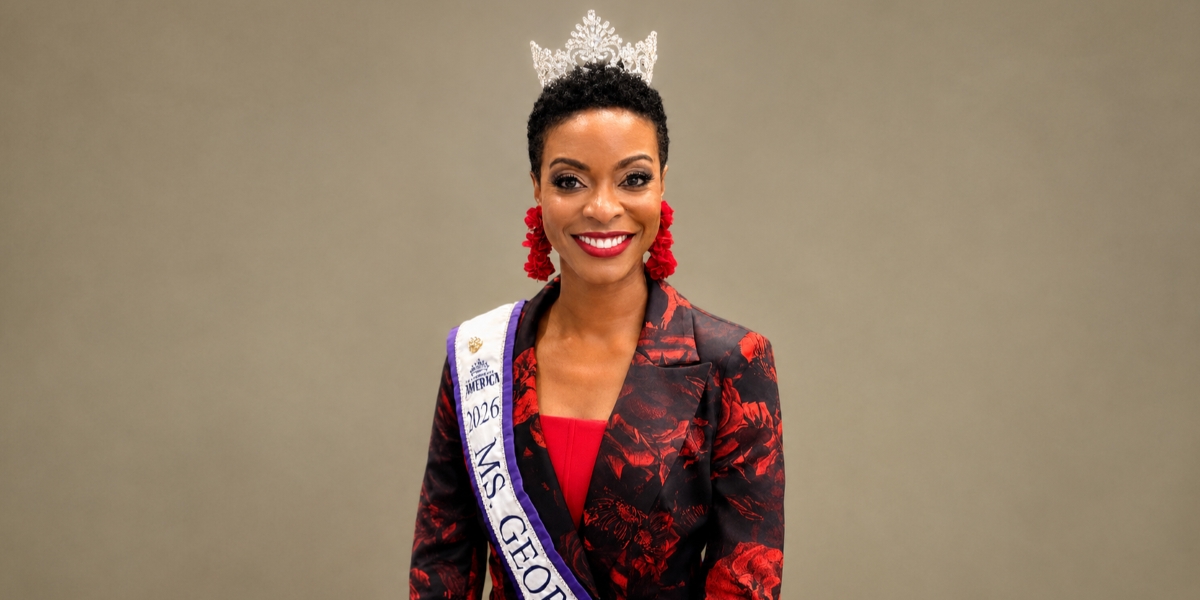
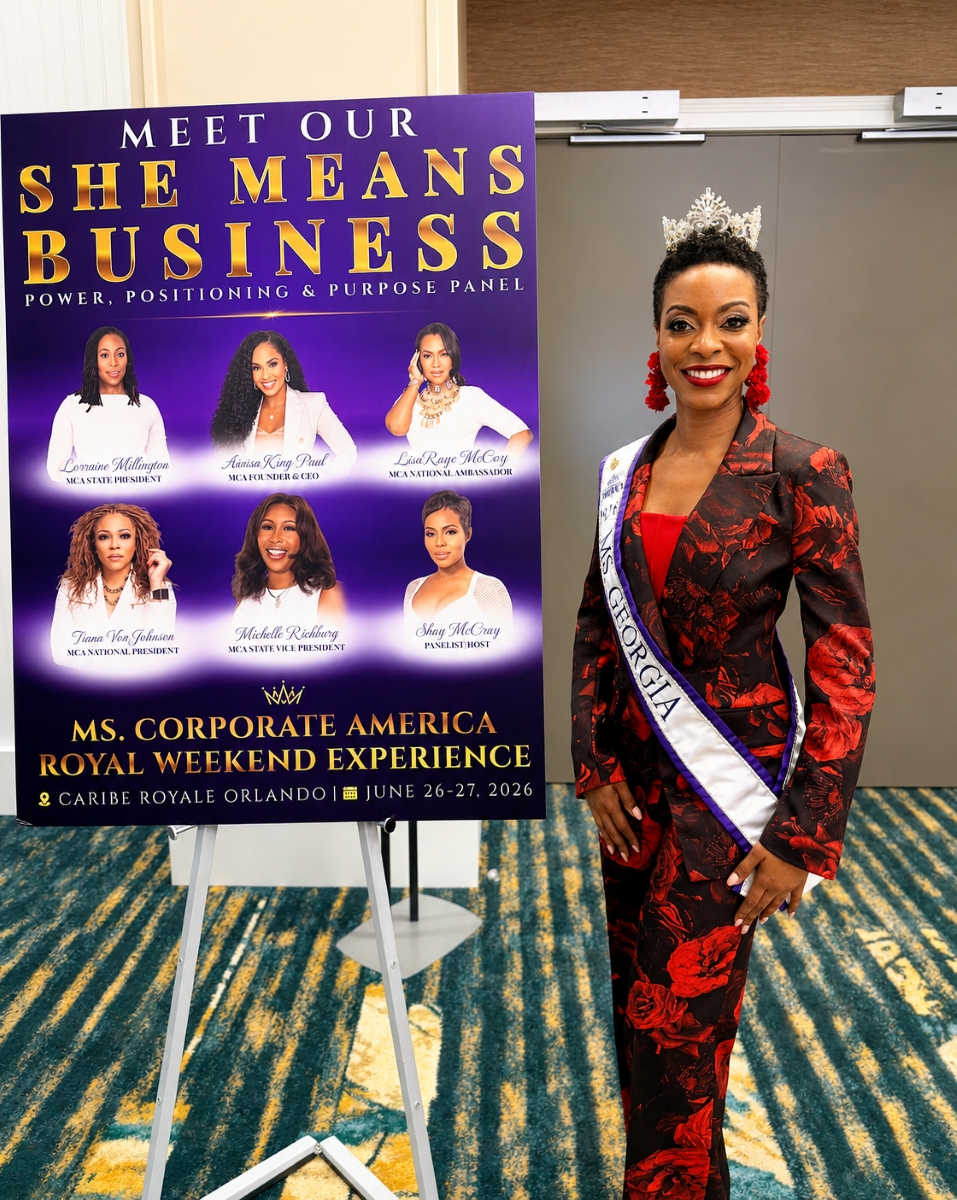
Her passion for serving others extends into her role as Ms. Corporate America Georgia 2026. Through this platform she continues to advocate for authentic leadership while encouraging women to pursue professional excellence without sacrificing their personal well being. Her Third Place finish and Audience Choice Award at the National Ms. Corporate America Competition reflected not only her professional accomplishments but also her ability to inspire audiences through sincerity, compassion, and vision.

As conversations surrounding mental health continue to evolve across the nation, Dr. Lundy remains committed to creating positive change. She believes organizations have both the opportunity and the responsibility to build environments where people are encouraged to thrive rather than simply endure the demands of modern life.

Her work reminds leaders that compassion strengthens performance, that resilience can be developed, and that intentional leadership creates lasting influence. These principles continue to shape organizations, strengthen communities, and inspire individuals who seek healthier and more meaningful lives.

In an era defined by constant change, Dr. Raé N. Lundy represents a steady voice of wisdom, purpose, and hope. Her leadership demonstrates that true influence is not measured by personal recognition but by the lives that are transformed through service. Whether leading within higher education, advising executive teams, speaking before national audiences, or advocating for mental wellness, she continues to inspire a future where leadership begins with humanity and success is measured by the positive impact we leave on others.

As one of the nation’s leading voices on leadership and human flourishing, Dr. Raé N. Lundy is proving that the future belongs to leaders who choose compassion alongside excellence, purpose alongside performance, and service alongside success. Her influence continues to grow because her mission is rooted in something timeless, helping people become the healthiest, strongest, and most authentic versions of themselves while creating organizations and communities where everyone has the opportunity to flourish.

Direct Public Adjusters and Why Hiring a Public Adjuster Can Matter After Property Damage

By: Joselin Estevez

When disaster strikes a home or commercial property, the last thing most people expect is for the insurance claims process to become another challenge. Between documenting damages, interpreting policy language, coordinating inspections, and negotiating with insurance carriers, many policyholders quickly realize that filing a claim can be far more complicated than simply reporting a loss. That is why some homeowners and business owners turn to Direct Public Adjusters, a policyholder advocate focused on helping clients navigate the insurance claims process.

Unlike insurance company adjusters, who represent the interests of the insurance carrier, public adjusters work for the policyholder. Their responsibility is to help make sure covered losses are properly documented, accurately valued, and presented on behalf of the client. For property owners facing the aftermath of fire, water, storm, or structural damage, having an experienced public adjuster may help reduce stress while supporting a more organized claims process.

Advocating for Property Owners Every Step of the Way

Insurance policies are complex legal contracts filled with exclusions, limitations, endorsements, and technical language that many policyholders rarely read until after a loss occurs. During an already stressful situation, understanding what may be covered and proving those damages to the insurance company can feel overwhelming.

Direct Public Adjusters serves as the policyholder’s professional representative throughout the claims process. From the initial inspection to the final settlement discussion, the firm’s team manages key details so clients can focus on rebuilding their homes, businesses, and lives.

Their approach emphasizes transparency, communication, and detailed documentation, helping reduce the risk that important parts of the claim are missed.

Comprehensive Residential and Commercial Insurance Claim Services

Direct Public Adjusters assists both residential and commercial property owners with a wide variety of insurance claims, including:

  • Fire damage claims
  • Water damage claims
  • Storm and wind damage
  • Hurricane damage
  • Roof damage
  • Flood-related losses
  • Burst pipe claims
  • Smoke damage
  • Mold-related claims when covered
  • Business interruption claims
  • Commercial property damage
  • Underpaid or denied insurance claims

Whether a homeowner experiences a kitchen fire or a commercial property suffers storm damage, Direct Public Adjusters has experience evaluating losses and communicating directly with insurance carriers.

Why Experience Matters During an Insurance Claim

Insurance companies handle thousands of claims every year and employ adjusters whose responsibility is to evaluate losses on behalf of the insurer. Many homeowners, on the other hand, may only file one or two insurance claims during their lifetime.

This imbalance in experience can place policyholders at a disadvantage.

Direct Public Adjusters helps address that gap by preparing detailed estimates, documenting damage, reviewing policy coverage, coordinating inspections, and presenting claim packages supported by evidence. Rather than accepting an initial settlement offer without question, clients can benefit from professional representation designed to help covered losses receive proper consideration.

A Structured Claims Process

Every insurance claim presents unique circumstances, but Direct Public Adjusters follows a structured process designed to make recovery more manageable for clients.

The process begins with a consultation and property inspection to evaluate the damage and review the insurance policy. From there, the team documents losses using photographs, measurements, repair estimates, and supporting documentation.

Once the claim is assembled, Direct Public Adjusters communicates directly with the insurance company, schedules inspections, negotiates settlement amounts, and continues advocating as the claim moves toward resolution.

By handling paperwork, deadlines, and negotiations, the firm helps reduce the burden on property owners during an already difficult time.

Supporting Both Homeowners and Businesses

Commercial insurance claims frequently involve more than repairing physical damage. Lost income, damaged equipment, tenant improvements, inventory losses, and business interruption can all affect a company’s financial recovery.

Direct Public Adjusters works with business owners to identify covered components of a commercial claim while helping manage the settlement process.

Residential clients receive focused attention as well, whether recovering from severe weather, plumbing failures, electrical fires, roof leaks, or other covered property losses.

A Client-First Philosophy

What separates Direct Public Adjusters is their commitment to representing the policyholder. Recommendations, negotiations, and claim strategies are developed with the client’s interests in mind.

The firm’s professionals understand that no two insurance claims are alike. Every property, every insurance policy, and every loss requires careful evaluation. This personalized approach allows Direct Public Adjusters to build claim strategies tailored to each client’s specific circumstances rather than relying on a one-size-fits-all process.

Clients are kept informed throughout each stage of the claim, creating a more transparent experience during what can be one of the most stressful events a property owner faces.

Helping Clients Navigate Recovery

Recovering after property damage requires more than repairs. It can also require knowledgeable representation throughout the insurance claims process. With experience handling residential and commercial property losses, Direct Public Adjusters provides policyholders with support focused on protecting their interests.

Whether dealing with fire damage, water intrusion, storm damage, business interruption, or an underpaid insurance claim, having an experienced public adjuster may make a meaningful difference in how the claim is documented, presented, and negotiated.

For homeowners and businesses seeking professional guidance after a covered loss, Direct Public Adjusters helps clients navigate complex insurance claims with professionalism and a focus on pursuing fair claim consideration.

Learn more about their services or schedule a consultation by visiting www.DirectPALoss.com.

Disclaimer: This article is intended for general informational and editorial purposes only. It does not provide legal, insurance, financial, construction, remediation, or claims-handling advice, and it should not be relied upon as a substitute for guidance from a qualified professional. Insurance coverage, claim eligibility, settlement amounts, timelines, policy exclusions, and claim outcomes can vary based on the policy, insurer, property condition, documentation, cause of loss, and applicable state law. Hiring a public adjuster does not guarantee approval, a higher settlement, or a specific claim result. Property owners should carefully review their insurance policy and consult a licensed public adjuster, attorney, contractor, insurance professional, or other qualified expert before making decisions related to a property damage claim.

Love, Hate, and the Courage to Change: Lauren Hammond Returns with Graffiti

By: Ethan Lee

Lauren Hammond is no stranger to stories that make readers feel deeply. With over 100,000 copies sold and a twenty-year career spanning roles as a bestselling author and a former literary agent, Hammond has built a strong reputation for emotionally charged, psychologically layered fiction. Her work consistently asks audiences to question their assumptions and fall in love in the process. Now, she returns with Graffiti, a standalone novel that confronts the devastating weight of inherited hatred and the raw power of compassion.

Graffiti tackles a difficult and highly relevant subject: the dangerous ideologies passed down through generations. At the center of the narrative is eighteen-year-old Cyril Jergen, a young man raised deep within his parents’ white supremacist group. Despite his upbringing, Cyril secretly rejects the hatred surrounding him, holding on to a deep belief in human equality.

His internal conflict is pushed to the surface when he meets Delia, a Jewish girl whose strength and empathy act as a catalyst. As their relationship develops, they embark on a highly dangerous mission to dismantle the hate consuming Cyril’s community.

Early descriptions of the book compare it to a blend of American History X and Romeo & Juliet. It is a story that refuses to look away from the ugly realities of extremism while maintaining a deeply human core focused on redemption and hope.

When asked how she balanced the dark reality of a white supremacist group with the vulnerability of a romance, Hammond pointed to Cyril’s internal compass.

“My main male character doesn’t want to conform to the ideals he’s been raised with,” Hammond said. “He’s always believed in equality, and I think that’s what makes the romance in this really work. Sometimes love is messy and has complications. It is not always easy. You see people fall for another person all the time, and there are always obstacles that have to be overcome.”

One of the most complex elements of Graffiti is the psychological hurdle of breaking away from family. Dismantling inherited beliefs requires confronting the people who raised you. For Cyril, the challenge is rooted in basic human needs.

“Fear of abandonment and the fear of not being loved,” Hammond explained when discussing Cyril’s mindset. “I think there are so many people out there who conform out of fear. Cyril wants to break free, but he doesn’t know how to shut off his emotions. These people raised him. They provided for him. He remembers the good times when they weren’t shoving hate down his throat. On top of that, he has no other family. When he was younger, he was afraid of what might happen to him.”

While the romance is central to the plot, Hammond is careful to clarify the exact dynamic between Cyril and Delia. Rather than acting as a savior who teaches him right from wrong, Delia serves as the final spark for a fire Cyril had already built.

“I don’t think Delia inspires him to fight against everything he has ever known,” Hammond noted. “He was already doing that. I think she gives him the shove he needs to set his plans in motion.”

The emotional heartbeat of the novel is captured in a single phrase: “Hate is heavy, but love is louder.” It is a message Hammond hopes will resonate strongly with readers trying to navigate today’s fractured social and political environment.

“Hate is like an open wound,” Hammond said. “If you pour salt in it, it’s only going to get worse. If you take the time and care for the wound, it starts to heal. Love is like that. The less salt we pour in people’s wounds, the less they hate. By doing this, we start to eradicate hate with love.”

Photo Courtesy: Lauren Hammond

Hammond’s extensive background in the publishing industry gives her a sharp understanding of what stories readers need right now. She recognized that this was the exact moment to release a socially conscious novel focused on extremism.

“Just look at the world. We are still so divided,” she observed. “We need art that brings us together. We need art that shines light on injustice. We are one race, human. We need books that make us face uncomfortable truths, and there is always room for growth.”

Ultimately, Hammond believes that contemporary fiction has a responsibility to do more than just entertain. It should function as a tool for exposure and education, forcing audiences to confront the uncomfortable realities in their own backyards.

“Fiction should be entertaining yet at the same time a learning experience,” she said. “There are a lot of people who don’t know. There is a lot that is just swept under the rug. Fiction should always give us the opportunity to learn something we didn’t know.”

As communities continue to polarize along rigid lines, young people often bear the emotional weight of deep-seated conflicts. Graffiti maps this reality through the lens of a forbidden romance, telling the story of the personal courage required to break cycles of prejudice. It is expected to resonate strongly with fans of psychological drama, emotional romance, and stories centered on resilience.

Graffiti will be available for pre-order in October. Readers are encouraged to join Hammond’s mailing list for release updates, exclusive news, and pre-order announcements by visiting her official website.

Lauren Hammond is also the author of several other acclaimed titles, including Insanity, Twelve Rounds, If I Can’t Have You, White Walls, and A Whisper to a Scream. To explore her full catalog of emotional and thought-provoking fiction, visit https://laurenhammondbooks.com/books.

Learn more about Lauren Hammond:

For review copies, interview requests, or additional information, please contact Lauren Hammond via Lauren7384@yahoo.com.

Love, Hate, and the Courage to Change: Lauren Hammond Returns with Graffiti

By: Ethan Lee

Lauren Hammond is no stranger to stories that make readers feel deeply. With over 100,000 copies sold and a twenty-year career spanning roles as a bestselling author and a former literary agent, Hammond has built a strong reputation for emotionally charged, psychologically layered fiction. Her work consistently asks audiences to question their assumptions and fall in love in the process. Now, she returns with Graffiti, a standalone novel that confronts the devastating weight of inherited hatred and the raw power of compassion.

Graffiti tackles a difficult and highly relevant subject: the dangerous ideologies passed down through generations. At the center of the narrative is eighteen-year-old Cyril Jergen, a young man raised deep within his parents’ white supremacist group. Despite his upbringing, Cyril secretly rejects the hatred surrounding him, holding on to a deep belief in human equality.

His internal conflict is pushed to the surface when he meets Delia, a Jewish girl whose strength and empathy act as a catalyst. As their relationship develops, they embark on a highly dangerous mission to dismantle the hate consuming Cyril’s community.

Early descriptions of the book compare it to a blend of American History X and Romeo & Juliet. It is a story that refuses to look away from the ugly realities of extremism while maintaining a deeply human core focused on redemption and hope.

When asked how she balanced the dark reality of a white supremacist group with the vulnerability of a romance, Hammond pointed to Cyril’s internal compass.

“My main male character doesn’t want to conform to the ideals he’s been raised with,” Hammond said. “He’s always believed in equality, and I think that’s what makes the romance in this really work. Sometimes love is messy and has complications. It is not always easy. You see people fall for another person all the time, and there are always obstacles that have to be overcome.”

One of the most complex elements of Graffiti is the psychological hurdle of breaking away from family. Dismantling inherited beliefs requires confronting the people who raised you. For Cyril, the challenge is rooted in basic human needs.

“Fear of abandonment and the fear of not being loved,” Hammond explained when discussing Cyril’s mindset. “I think there are so many people out there who conform out of fear. Cyril wants to break free, but he doesn’t know how to shut off his emotions. These people raised him. They provided for him. He remembers the good times when they weren’t shoving hate down his throat. On top of that, he has no other family. When he was younger, he was afraid of what might happen to him.”

While the romance is central to the plot, Hammond is careful to clarify the exact dynamic between Cyril and Delia. Rather than acting as a savior who teaches him right from wrong, Delia serves as the final spark for a fire Cyril had already built.

“I don’t think Delia inspires him to fight against everything he has ever known,” Hammond noted. “He was already doing that. I think she gives him the shove he needs to set his plans in motion.”

The emotional heartbeat of the novel is captured in a single phrase: “Hate is heavy, but love is louder.” It is a message Hammond hopes will resonate strongly with readers trying to navigate today’s fractured social and political environment.

“Hate is like an open wound,” Hammond said. “If you pour salt in it, it’s only going to get worse. If you take the time and care for the wound, it starts to heal. Love is like that. The less salt we pour in people’s wounds, the less they hate. By doing this, we start to eradicate hate with love.”

Photo Courtesy: Lauren Hammond

Hammond’s extensive background in the publishing industry gives her a sharp understanding of what stories readers need right now. She recognized that this was the exact moment to release a socially conscious novel focused on extremism.

“Just look at the world. We are still so divided,” she observed. “We need art that brings us together. We need art that shines light on injustice. We are one race, human. We need books that make us face uncomfortable truths, and there is always room for growth.”

Ultimately, Hammond believes that contemporary fiction has a responsibility to do more than just entertain. It should function as a tool for exposure and education, forcing audiences to confront the uncomfortable realities in their own backyards.

“Fiction should be entertaining yet at the same time a learning experience,” she said. “There are a lot of people who don’t know. There is a lot that is just swept under the rug. Fiction should always give us the opportunity to learn something we didn’t know.”

As communities continue to polarize along rigid lines, young people often bear the emotional weight of deep-seated conflicts. Graffiti maps this reality through the lens of a forbidden romance, telling the story of the personal courage required to break cycles of prejudice. It is expected to resonate strongly with fans of psychological drama, emotional romance, and stories centered on resilience.

Graffiti will be available for pre-order in October. Readers are encouraged to join Hammond’s mailing list for release updates, exclusive news, and pre-order announcements by visiting her official website.

Lauren Hammond is also the author of several other acclaimed titles, including Insanity, Twelve Rounds, If I Can’t Have You, White Walls, and A Whisper to a Scream. To explore her full catalog of emotional and thought-provoking fiction, visit https://laurenhammondbooks.com/books.

Learn more about Lauren Hammond:

For review copies, interview requests, or additional information, please contact Lauren Hammond via Lauren7384@yahoo.com.

Why Employee Benefits Have Become a Competitive Advantage for Growing Employers

For years, employers treated employee benefits as an expense to be managed down. Rising healthcare costs led to the same difficult conversations every renewal season: raise the deductible, shift more cost to employees, shop the plan and hope for a better number.

Cost still matters. It always will. But the conversation has changed.

Employers today compete for talent in a market where benefits influence employment decisions nearly as much as salary. Employees want affordable healthcare, financial security, flexibility, and evidence that their employer is genuinely invested in their well-being. Candidates ask about mental health coverage in first interviews. Employees compare deductibles the way they once compared job titles.

The organizations that recognize this are treating benefits as a strategic advantage rather than a line item on a budget.

In my work with employers across Pennsylvania, New Jersey, Delaware, and nationwide, I’ve found a consistent pattern: the companies getting the best long-term results are rarely the ones spending the most. They’re the ones making smarter decisions.

Focus on Value, Not Just Cost

Lowering healthcare costs does not have to mean reducing benefits. That assumption drives more bad decisions than almost anything else I encounter.

Most employers have more room to maneuver than they realize. A thorough review of plan design often reveals coverage that isn’t being used and gaps that are quietly driving claims. Alternative funding options, such as level-funded or self-funded arrangements, can give a growing company visibility into its own claims data for the first time, replacing guesswork with evidence. Pharmacy benefit management, frequently the least examined part of a plan, is often where meaningful savings sit untouched. Preventive care programs reduce downstream costs. And year-round education helps employees use what they already have.

None of these levers require an employer to strip benefits away from its people. They require an employer to understand where the money is actually going.

This distinction matters most for mid-sized and growing organizations. A company scaling from 40 employees to 150 is in a fundamentally different position than it was three years earlier, but its benefits strategy often hasn’t caught up. It’s still buying the plan it bought when it was small, renewing it out of habit, and absorbing increases it doesn’t have to absorb. Growth changes what an employer is eligible for and what data it can access. Too few organizations reevaluate accordingly.

Employees who understand how to use their benefits make better healthcare decisions. That improves outcomes and increases the return on an investment the employer is already making.

Benefits Are a Retention Strategy

The cost of replacing an experienced employee routinely exceeds the cost of keeping a competitive benefits package in place. Recruiting expenses, lost productivity, onboarding time, and the institutional knowledge that walks out the door are all real costs, even when they never appear on a single invoice.

When an organization invests in comprehensive healthcare coverage, wellness initiatives, mental health resources, and financial wellness programs, employees notice. Those investments strengthen recruitment, improve engagement, and reduce voluntary turnover.

They also send a message that’s difficult to send any other way. Compensation tells an employee what their work is worth. Benefits tell an employee what they are worth to the organization when they’re sick, when they’re caring for a parent, when they’re planning for a child or a retirement. Employees hear that difference clearly, whether or not anyone says it out loud.

Benefits are no longer separate from culture. They are part of the employer brand.

Communication Matters More Than Ever

Photo Courtesy: Unsplash.com

The largest untapped opportunity I see is communication.

Many employers offer excellent benefits that their employees do not fully understand and therefore do not fully use. The plan is strong. The enrollment guide is thorough. And yet employees can’t explain the difference between a copay and coinsurance, don’t know a telehealth benefit exists, or never touch the HSA contribution their employer is funding on their behalf.

That’s an expensive gap. The employer pays for the benefit either way. The only variable is whether anyone uses it.

Education that extends beyond open enrollment closes that gap. A single week of communication each fall is not a strategy; it is a deadline. Employers that communicate consistently throughout the year, in plain language and through the channels their workforce actually uses, see better utilization, better health outcomes, and greater appreciation for what they provide.

Clear communication builds trust, supports better healthcare decisions, and reinforces an organization’s commitment to its people.

Looking Ahead

Healthcare costs will keep evolving. Regulatory requirements will keep shifting. Employee expectations will keep rising. None of that is likely to reverse.

But employers don’t have to navigate it alone, and they don’t have to accept every renewal increase as inevitable. Businesses that evaluate their benefits strategy regularly, analyze their own data, and seek experienced guidance are consistently better positioned to control costs while offering the benefits employees expect.

The employers who will win the talent competition over the next decade are not the ones with the biggest budgets. They are the ones who stopped asking how little they can spend and started asking what they’re getting for what they already spend.

Employee benefits should no longer be viewed as an expense. They are an investment in people, in organizational stability, and in long-term business success.

To learn more about employee benefits consulting and healthcare cost management, visit JS Benefits Group:

Explore Jennifer’s Forbes Business Council articles and leadership insights: 

About the Author

Jennifer Schaefer, MBA, ChFC®, SHRM-SCP is the Founder & CEO of JS Benefits Group, an employee benefits consulting firm serving employers throughout Pennsylvania, New Jersey, Delaware, and across the United States. Jennifer specializes in employee benefits strategy, healthcare cost management, HR consulting, compliance, and workforce planning. She is a member of Forbes Business Council, a co-host of Executive Leaders Radio, and regularly shares insights on leadership, employee benefits, and business strategy. Learn more at https://jsbenefitsgroup.com.