
By: Farzana Bashir
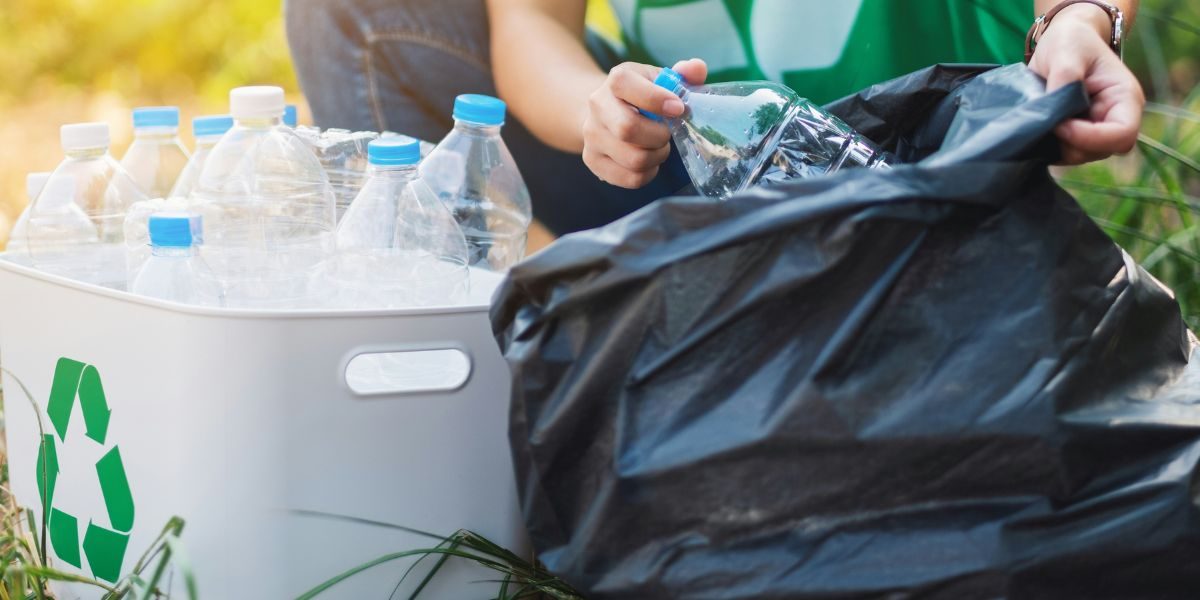
Recycling has become an important part of modern waste management, helping communities reduce landfill waste and conserve resources. Across Alberta, beverage container recycling programs can play a role in supporting environmental sustainability and encouraging residents to adopt responsible disposal practices. From plastic bottles and aluminum cans to glass containers, recycling these materials can help create a more circular economy and may reduce the environmental impact associated with producing new packaging.
Why Beverage Container Recycling Matters
Every year, millions of beverage containers are purchased and consumed across Canada. Without effective recycling systems, many of these containers could end up in landfills, where they may take decades or even centuries to decompose. Recycling allows these materials to be collected, processed, and transformed into new products, reducing the need for raw materials and helping lower overall energy consumption.
Aluminum is one of the widely recyclable materials available. Recycling aluminum cans can require less energy than producing new aluminum from raw ore. Similarly, plastic bottles can be processed into new containers, textiles, and various consumer products. Glass can also be recycled repeatedly without losing quality, making it a useful material for a sustainable economy.
The Role of Local Recycling Infrastructure
An effective recycling system depends on convenient collection points and community participation. Residents often look for a nearby Calgary bottle depot when returning refundable beverage containers, making accessibility an important factor in encouraging higher recycling rates.
When collection facilities are easy to access, more containers can be diverted from landfills and reintroduced into the manufacturing cycle. This can help communities work toward waste reduction goals while supporting broader environmental initiatives throughout the province.
Environmental Benefits of Recycling Beverage Containers
Recycling can offer several environmental advantages that extend beyond simple waste reduction.
Reduced Landfill Use
Landfill space is a finite resource. As populations grow, the demand for landfill capacity can continue to increase. Recycling beverage containers helps reduce the volume of waste entering landfill sites, which can extend their operational lifespan and reduce the need for new landfill development.
Conservation of Natural Resources
Producing new packaging materials often requires quantities of raw resources. Recycling helps conserve materials such as aluminum, petroleum-based plastics, and silica used in glass production. By reusing existing materials, industries can reduce their reliance on resource extraction activities.
Lower Greenhouse Gas Emissions
Manufacturing products from recycled materials generally consumes less energy than producing them from virgin resources. Lower energy consumption can reduce greenhouse gas emissions, contributing to climate change mitigation efforts.
Understanding the Recycling Process
Many people return containers without knowing what happens afterward. The recycling journey involves several important stages.
Collection and Sorting
Containers are collected and sorted according to material type. This separation helps ensure that each material can be processed efficiently and maintains the quality of recycled products.
Processing and Manufacturing
After sorting, materials are cleaned and prepared for recycling. Aluminum is melted and formed into new products, plastic is shredded and reprocessed, and glass is crushed before being remanufactured.
Return to the Marketplace
Recycled materials are transformed into new packaging, building materials, clothing fibres, and many other products. This continuous cycle can reduce waste while supporting sustainable manufacturing practices.
How Individuals Can Improve Recycling Results
Effective recycling begins with individual actions. Residents can contribute to better outcomes by following a few simple practices.
Separate Containers Properly
Keeping recyclable beverage containers separate from general household waste makes the recycling process more efficient and reduces contamination.
Empty Containers Before Returning
Containers should be emptied before recycling. Excess liquids can create challenges during sorting and processing.
Participate Consistently
Regular participation helps increase the amount of material recovered through recycling programs. Small individual efforts, when combined, can create a meaningful environmental impact.
The Economic Impact of Recycling Programs
Recycling programs can do more than protect the environment. They may also contribute to local and regional economies.
Collection, transportation, processing, and manufacturing activities can create employment opportunities throughout the recycling supply chain. Additionally, recovered materials have economic value, allowing manufacturers to access recycled feedstock that may reduce production costs.
As demand for sustainable products continues to grow, recycled materials are becoming increasingly important components of modern manufacturing operations.
Looking Toward a Circular Economy
The concept of a circular economy focuses on keeping materials in use for as long as possible. Rather than following a traditional model of production, consumption, and disposal, a circular economy promotes reuse, repair, and recycling.
A well-functioning bottle recycling depot can support this approach by helping materials remain within the production cycle instead of becoming waste. This system can benefit both the environment and the economy while encouraging more sustainable consumption habits.
Summary
Beverage container recycling can play a role in reducing waste, conserving resources, and supporting sustainable communities throughout Alberta. Through effective collection systems, responsible consumer participation, and ongoing investment in recycling infrastructure, communities can continue diverting materials from landfills and promoting environmental stewardship. As awareness of sustainability grows, recycling beverage containers remains a practical way for individuals to contribute to a cleaner, more resource-efficient future.