
By: Farzana Bashir
The skin around the eyes is delicate and highly visible, making even minor changes noticeable. Many individuals experience benign growths on or around the eyelids during their lifetime, including skin tags, cysts, and other non-cancerous lesions. While these growths are often harmless, they can sometimes cause discomfort, interfere with vision, or become a cosmetic concern. Understanding the causes, symptoms, and treatment options for benign eyelid lesions can help individuals make informed decisions about their eye health.
What Are Benign Eyelid Lesions?
Benign eyelid lesions are non-cancerous growths that develop on the eyelids or surrounding skin. They can vary in size, shape, color, and location. While most benign lesions do not pose a serious health risk, some may gradually enlarge, become irritated, or interfere with normal eyelid function.
Individuals researching eye clinic Calgary options often seek a professional evaluation when they notice changes affecting the appearance or function of their eyelids.
Common benign eyelid lesions include:
• Skin tags
• Cysts
• Chalazia
• Seborrheic keratoses
• Xanthelasma
• Papillomas
• Benign moles
Why Do Eyelid Growths Develop?
Several factors can contribute to the development of eyelid lesions. Age is one of the most common factors, as benign growths tend to become more prevalent over time. Genetics, skin friction, sun exposure, and certain medical conditions may also influence their development.
In some cases, individuals may develop multiple lesions throughout their lifetime, while others may experience only a single growth.
Understanding Eyelid Skin Tags
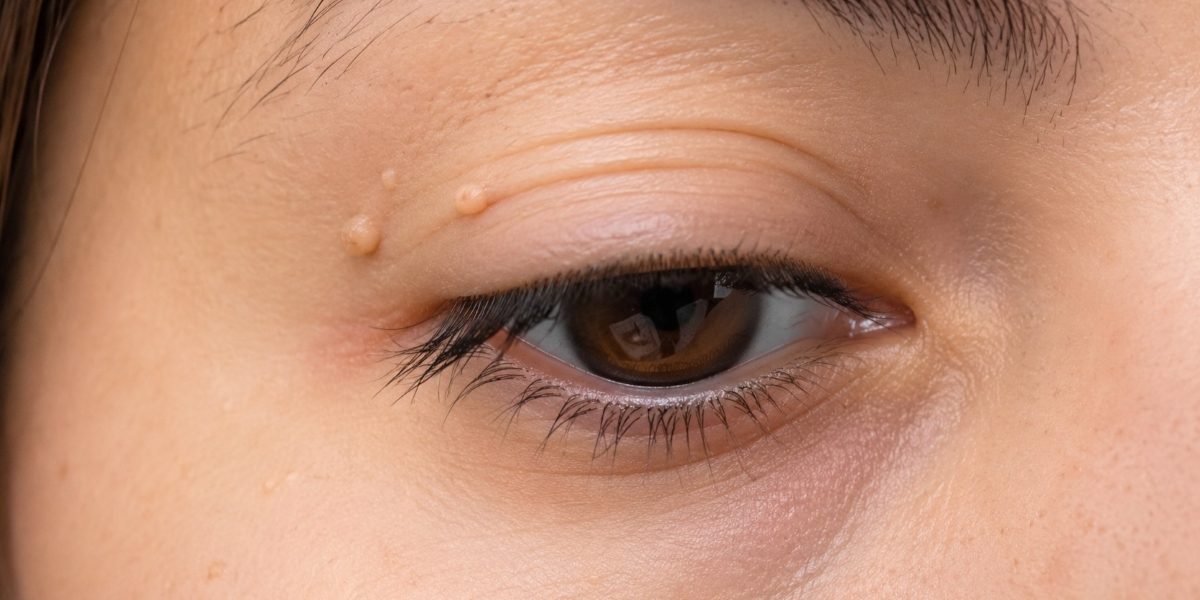
Skin tags are among the most common benign skin growths. They are typically soft, flesh-coloured growths attached to the skin by a small stalk. Although skin tags can occur anywhere on the body, they may occasionally develop around the eyes.
A skin tag under eye may become noticeable because of its location and can sometimes irritate, particularly if it rubs against glasses, cosmetics, or surrounding skin.
While skin tags are generally harmless, professional evaluation is often recommended to confirm the diagnosis and rule out other conditions.
When Should Eyelid Lesions Be Evaluated?
Although many eyelid lesions are benign, certain changes should prompt professional assessment. Individuals should consider seeking evaluation if a lesion:
• Changes in size or colour
• Bleeds or becomes painful
• Interferes with vision
• Causes persistent irritation
• Develops rapidly
• Changes in appearance over time
Early assessment can help determine whether further investigation or treatment is necessary.
Common Treatment Approaches
Treatment recommendations depend on the type, size, and location of the lesion, as well as whether it causes symptoms or cosmetic concerns.
Observation
Some benign lesions require no treatment and may be monitored over time.
Removal Procedures
When a lesion causes discomfort, affects vision, or creates cosmetic concerns, removal may be considered. The approach used depends on the specific characteristics of the lesion.
Diagnostic Evaluation
In certain cases, tissue analysis may be recommended to confirm the diagnosis and exclude more serious conditions.
The Importance of Professional Assessment
Because the eyelids contain delicate structures that protect the eye, removing lesions at home is generally not recommended. Improper removal techniques may lead to infection, scarring, or injury to surrounding tissues.
Professional evaluation helps ensure that treatment decisions are based on an accurate diagnosis and appropriate management strategies.
Maintaining Healthy Eyelids
While not all eyelid lesions can be prevented, certain practices may help support overall eyelid health.
Protect the Skin Around the Eyes
Using sun protection and limiting excessive ultraviolet exposure may help reduce certain skin changes.
Practice Good Eyelid Hygiene
Keeping the eyelid area clean can help reduce irritation and support overall eye health.
Monitor Changes
Regularly observing changes in eyelid appearance can help identify new lesions or other changes requiring evaluation.
Schedule Routine Eye Examinations
Comprehensive eye examinations provide opportunities to identify both vision problems and eyelid abnormalities.
Summary
Benign eyelid lesions, including skin tags, are common and often harmless. However, eyelid changes should be carefully evaluated to ensure an accurate diagnosis and appropriate management. By seeking professional assessment when needed and maintaining regular eye care, individuals can help protect both their vision and overall eye health.
Disclaimer: This article is for informational and educational purposes only and should not be considered medical advice, diagnosis, or treatment. Eyelid growths, skin tags, cysts, and other lesions should be evaluated by a qualified eye care professional or healthcare provider, especially if they change in size, color, shape, cause pain, bleed, or interfere with vision. Readers should not attempt to remove eyelid lesions at home, as improper removal may lead to infection, scarring, or injury. Always consult a licensed medical professional for guidance specific to your condition.