
By: Michael McKown
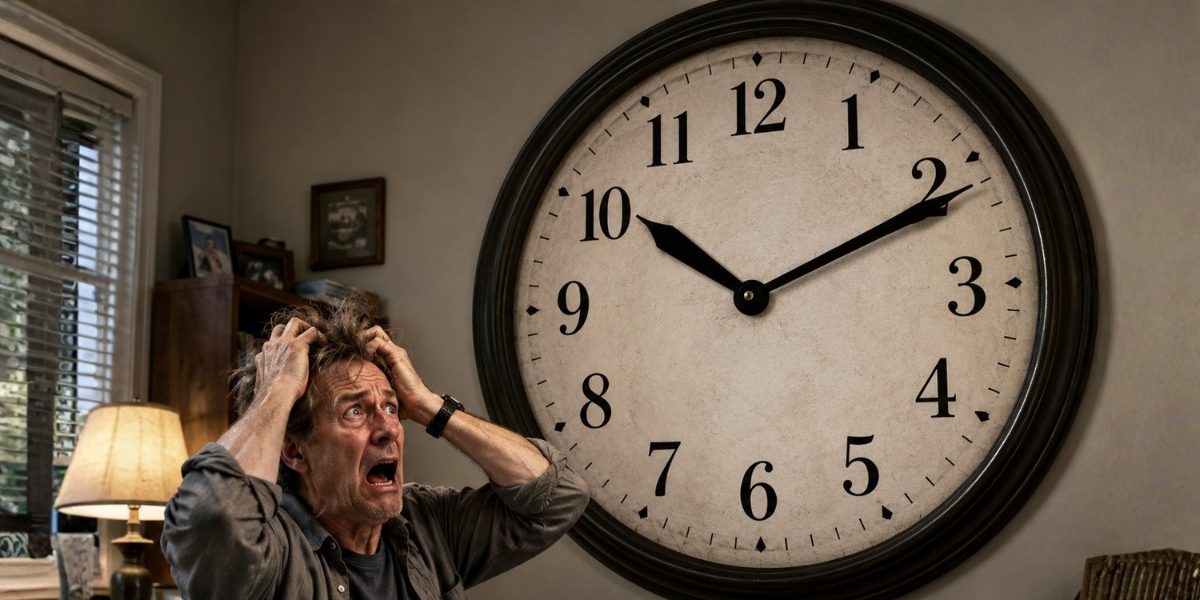
Tick. Tock. That damn clock won’t shut up.
You’re staring at the screen again. Another blank page. Another half-finished chapter gathering digital dust. Your ADHD brain is throwing a rave in your skull. Ideas are bouncing like caffeinated ping-pong balls. But the words? They ghosted you months ago. Your manuscript sits there like a sad, unfinished jigsaw puzzle, missing half the pieces and the box lid. Sound familiar? Welcome to the club. The “I’ll-finish-it-next-weekend” club. Population: every writer who ever lived.
You’ve got the story. The juicy one. The memoir that could inspire thousands, the business book packed with hard-knock wisdom, or that novel your friends keep begging to read. But life keeps hijacking your focus. Notifications ping. The dog needs walking. Suddenly it’s 3 a.m., and you’re watching cat videos instead of writing Chapter Seven. The ticking grows louder. Time’s slipping through your fingers like sand in a Corona beach commercial.
Enough is enough. You’re not blocked. You’re just one smart move away from freedom.
The wake-up call
Here’s the truth: if your manuscript has more versions than a Taylor Swift album, it’s time. If you’ve rewritten the same opening paragraph seventeen times and still hate it, bingo. If your brilliant ideas evaporate the second your fingers hit the keys, welcome to reality.
ADHD writers know this dance too well. One minute you’re a genius on fire. The next, you’re reorganizing your spice rack instead of finishing that killer plot twist. The frustration builds. The self-doubt creeps in. “Maybe I’m not a real writer,” whispers the little jerk in your head.
Stop listening to that jerk. Real writers get help. James Patterson doesn’t crank out hundreds of books by typing every word himself. Prince Harry didn’t lock himself in a cabin to bleed Spare onto the page alone. They teamed up with pros. Smart move. You can too.
Hiring a ghostwriter isn’t quitting. It’s playing chess while your brain wants to play whack-a-mole with distractions. It’s the ultimate hack for getting unstuck.
Finding a ghostwriter who doesn’t suck
Don’t just Google “ghostwriter near me” and hire the first smiling face. That’s how you lose your shirt and your story.
Start with referrals. Ask author friends, your agent, or that writer buddy who finally published last year. Real pros come recommended. They don’t hide behind fake testimonials.
Search for the writer’s name, or business name, and add “scam” to the query. Angry clients will deliver well-composed, detailed accusations. Check their track record. Read samples. Does their writing make you laugh, cry, or nod like a bobblehead? Good. Does it sound like you only smoother, funnier, and way more polished? Even better. Ask for a short test chapter. Pay them fairly for it. If they balk, run. Real talent isn’t afraid to prove it.
Chat with them. A great ghostwriter listens like your smartest friend who actually remembers details. They ask sharp questions. They get excited about your weird family stories or that one business disaster that taught you everything. If they talk more than they listen, drop ‘em and move on!
Consider working with a solid ghostwriting firm. They handle the paperwork, manage the schedule, and keep your project from derailing. Think of them as the responsible adult in the room while your ADHD brain throws confetti. For the record, my company has been around since 2002.
Dodging the scammers
Ghostwriting has its share of snakes in the grass. Watch your wallet.
Red flags? Promises of “bestseller guaranteed” or “finished in two weeks.” Well, that’s just bul- uhh, baloney. If it sounds too good to be true, it’s probably written by someone who’ll vanish after your deposit.
Never pay the full amount upfront. Ever. Staged payments tied to milestones keep everyone honest. Deposit, outline approval, first chapters, full draft, nice and steady.
Read the contract like it’s the last chapter of a thriller. Make sure it says the work is yours. That means full copyright, “work made for hire.” Nail down how many revisions you get. Demand confidentiality. Your secrets stay secret.
If they pressure you or dodge questions, ghost them first. Plenty of honest, talented writers out there who treat your book like their own reputation is on the line. Because it is.
Making it happen without losing your mind
Once you pick the right ghostwriter, the magic starts. You talk. They listen. They interview you like a friendly detective. Record the calls. Spill the tea. Your job? Show up and be yourself.
They build the outline. You approve it. No more wandering in the writing wilderness.
Then come the chapters. You read. You laugh. You cry. You say, “This part needs more punch,” or “Add that embarrassing story from 2009.” They tweak. You approve. Stage by stage, the book grows.
You stay in control. Your voice stays front and center. But you don’t have to wrestle every sentence alone. The ghostwriter handles the heavy lifting while you chase the next shiny idea, watch more silly cat videos, or, you know, actually live your life.
The clock stops ticking
Remember that annoying tick-tock at the beginning? The one driving you nuts while your unfinished manuscript mocked you from the hard drive?
It’s quiet now.
Your book is done. Polished. Ready for the world. You hold it in your hands and grin like you just won the lottery. No more guilt. No more half-finished files haunting your desktop. Just a completed story that carries your name, your heart, and all those wild ideas that finally found their way home.
The frustration? Gone. The ADHD brain? Still bouncing, but now it’s celebrating instead of spiraling.
I run Ghostwriters Central, and I have ADHD too. That means when you call, I can hyperfocus on your project like a laser beam. I’ll dive deep into your story, ask the right questions, and then recommend one of my calm, non-ADHD writers who will do the writing with stunning discipline. Your ideas stay safe, your voice stays authentic, and the book actually gets finished.
Your story’s waited long enough. Time to set it free.