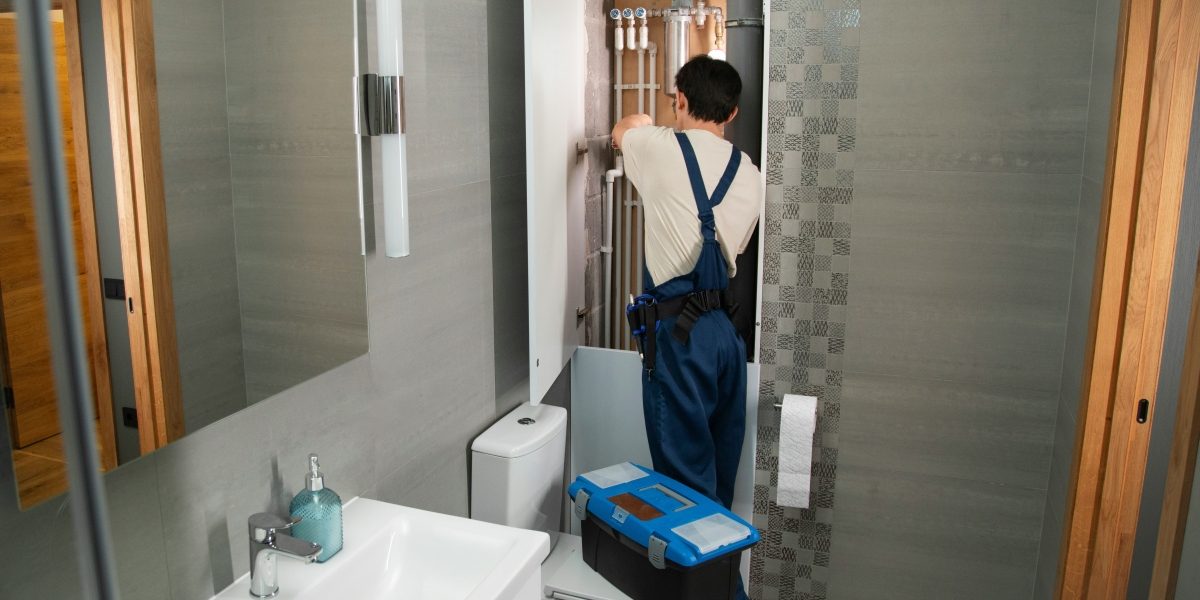

Most Houston homeowners don’t think about their plumbing until something goes wrong. A brown trickle from the bathroom tap. A shower that barely reaches pressure. A plumber showing up for the third time in two years to patch the same section of pipe. By the time these signs appear, the plumbing system has usually been deteriorating for years, quietly.
If your home was built before 2000, and especially if it dates back to the 1970s or 1980s, the pipes running through your walls are likely original. That means galvanized steel or copper lines that have been doing their job for decades without a single inspection. Modernizing that system is one of the most impactful home improvements you can make, and this guide walks through exactly how to approach it.
Why Older Houston Homes Are Particularly Vulnerable
Houston’s climate is hard on plumbing. The combination of high humidity, clay-heavy soil that shifts with moisture changes, and temperature swings that occasionally dip well below freezing creates conditions that accelerate pipe deterioration.
Galvanized steel pipes, which were the standard in homes built through the mid-1980s, corrode from the inside out. Over decades, rust and mineral deposits build up along the interior walls, narrowing the flow area and contaminating the water. Copper pipes are more durable but still vulnerable to pinhole leaks from corrosive soil contact, acidic water, and the kind of movement that Houston’s expansive clay soils produce after heavy rainfall or drought cycles.
The neighborhoods most affected tend to be those developed in the 1960s through the 1990s: Kingwood, Meyerland, Bellaire, parts of Katy, older sections of Pearland, and established subdivisions across Harris and Fort Bend counties. Homes in these areas frequently share the same story: original plumbing that has been repaired repeatedly but never fully replaced.
Recognizing the Warning Signs Before They Become Emergencies
Some plumbing problems announce themselves loudly. A burst pipe or a visible slab leak is impossible to ignore. But most failing systems give quieter signals well before a crisis, and catching them early changes the cost equation significantly.
Signs worth taking seriously:
- Discolored water. Orange, brown, or rust-tinted water at any tap is almost always a sign of corroding galvanized pipe. It does not resolve on its own.
- Low water pressure throughout the house. Weak flow in every room points to internal buildup across multiple pipes, not a single fixture issue.
- Frequent small leaks. If you are calling a plumber every year or two for a new spot repair, the issue is systemic. Each patch is temporary.
- Water stains or soft spots in walls and ceilings. These indicate slow leaks that have been occurring long enough to damage surrounding structure.
- A failed hydrostatic test. This is common during real estate transactions and insurance reviews. A failing test confirms active leaks somewhere in the drain system.
If two or more of these symptoms are present, a whole-house assessment is the logical next step, not another targeted repair.
Understanding Your Options: Material Matters
One of the things that genuinely confuses homeowners is the range of pipe materials on offer. Choosing the right one affects not just cost but long-term performance, installation complexity, and peace of mind.
Copper
Copper has a solid track record and is still used in many repipe projects. It handles high temperatures well and has a proven lifespan. The downsides are cost, it is more expensive than plastic alternatives, and susceptibility to pinhole leaks in Houston’s acidic soil environment. It is also rigid, which means more fittings and joints throughout the system.
CPVC
Chlorinated polyvinyl chloride is a step up from older PVC and handles hot water lines. It is cost-effective and fairly durable, but it becomes brittle over time and does not flex under stress. Installers in Houston sometimes see CPVC snap in older homes that have experienced foundation movement.
PEX (Cross-Linked Polyethylene)
PEX has become the go-to material for residential repiping across the US, and for good reason. It is flexible, resistant to freezing and cracking, and significantly easier to run through walls without as many penetrations. Not all PEX is equal, though.
PEX-A, the Premium Option
PEX-A is produced using the Engel method, which creates a more uniform cross-link structure throughout the pipe wall. This makes it the most flexible grade, the most resistant to stress cracking, and the only type with shape memory, meaning it can actually recover from a kink. Uponor PEX-A is the product used by many specialist repipers in Houston, and it is widely regarded in the industry as the premium choice for residential whole-house repiping. For a home in a neighborhood with active soil movement, the difference in long-term performance between standard PEX-B and Uponor PEX-A is meaningful.
The Repiping Process: What to Expect Step by Step
A lot of homeowners delay repiping because they assume it means weeks of disruption, dusty walls, and coordinating multiple contractors. The reality, with the right crew, is quite different.
A well-run repipe on a standard Houston home typically follows this sequence:
- Initial assessment and quote. A licensed plumber walks the home, counts fixtures, and inspects the existing system. Good contractors offer free on-site estimates with fixed per-fixture pricing, so there are no surprises later based on where you live or how the day goes.
- Permitting. A proper repipe requires a permit. Any contractor skipping this step is cutting a corner that could cost you during a future home sale or insurance claim.
- Access. Small access points are cut into walls to route the new pipe. The number of openings depends on the home’s layout, but a skilled crew minimises them significantly.
- Pipe installation and routing. New lines are run from the water supply throughout the home. With PEX-A, flexible runs often reduce the number of joints needed compared to rigid pipe.
- Pressure testing. Before walls are closed, the new system is pressure tested to confirm integrity.
- Drywall repair and paint. This is where many homeowners get caught off guard with some contractors, because the wall restoration is handled separately, by a different company, at an extra cost. A repiper that includes drywall repair and finish paint in the original scope eliminates that problem entirely.
- Final inspection. The permit is closed with a passed municipal inspection.
A standard two- to three-bathroom home in areas like The Woodlands, Cypress, or Sugar Land can typically be repiped in one to two days, with water service restored at the end of each working day. Homeowners rarely need to vacate.
The team at Repipe Solutions Inc is a Houston-area specialist that structures its repipe projects around this full-scope model, including drywall repair, paint, pressure testing, and a transferable lifetime warranty, so homeowners are not managing multiple contractors after the job is done.
What Whole-House Repiping Actually Costs in Houston
Pricing for a whole-house repipe in the Houston area typically ranges from around $4,000 on the lower end for a smaller home to upward of $16,000 for larger properties with more fixtures. The key variable is fixture count, not square footage or zip code. A fair contractor prices per fixture consistently, regardless of whether the home is in Bellaire or Baytown.
Watch for these cost red flags:
- Quotes that vary dramatically between contractors with no explanation
- Pricing that shifts after work begins based on “unexpected” conditions
- Contractors who exclude drywall repair, leaving you to hire and coordinate separately
- No mention of permits in the quote
Financing options have made whole-house repiping more accessible. Programs offering 24 months at 0% interest, for example, allow homeowners to spread the cost without paying a premium, which matters when a project runs into five figures.
The Real Estate Angle: Repiping Before You Sell
Plumbing issues surface during home inspections more often than most sellers expect. A hydrostatic test that reveals active leaks, or a home inspector noting galvanized supply lines with visible corrosion, can kill a deal or force a last-minute price reduction.
Repiping before listing does two things. It removes a negotiating chip from the buyer’s hand, and it becomes a genuine selling point. Updated plumbing with a transferable lifetime warranty is a meaningful disclosure in Houston’s competitive resale market. Buyers in areas like Humble, Missouri City, and League City, where many homes were built in the 1980s and 1990s, are increasingly aware of what old pipes mean for future maintenance.
Real estate agents working with older inventory are wise to flag plumbing age early. Addressing it proactively, rather than reactively during inspection, almost always results in a cleaner transaction.
Planning Your Repipe: A Practical Checklist
Before reaching out to any contractor, it helps to have a clear picture of your situation.
- Note the age of your home and whether you know the pipe material
- List every symptom you have noticed, pressure, color, leaks, and when they started
- Count the number of bathrooms, kitchen fixtures, and outdoor hose bibs
- Ask your HOA whether there are any restrictions on exterior work, relevant for slab leak access
- Verify that any contractor you consider is licensed in Texas, carries liability insurance, and pulls permits
- Request an itemised quote that explicitly includes or excludes drywall repair and paint
- Ask about material spec, specifically whether they are using Uponor PEX-A or a lower-grade alternative
Getting this information upfront puts you in a much stronger position to compare quotes and make a confident decision.
Key Takeaways
- Homes built before 2000 in Houston are at significant risk from corroded galvanized steel or aging copper supply lines, and many show multiple warning signs before a crisis occurs.
- Uponor PEX-A is the most durable and flexible repiping material available for residential use, and it is better suited to Houston’s soil movement and temperature variability than standard PEX or CPVC.
- A properly scoped repipe includes permitting, pressure testing, drywall repair, and paint as part of the same job, not as separate add-ons.
- Fixed per-fixture pricing is the most transparent way to quote a repipe. Be cautious of estimates that shift based on home location or unforeseen conditions.
- Repiping before a home sale can remove inspection risk, strengthen the listing, and provide a transferable warranty that adds genuine resale value.
Frequently Asked Questions
How long does a whole-house repipe take in Houston? Most single-family homes in the Houston area can be fully repiped in one to two working days. Water is typically restored at the end of each day, so homeowners do not need to stay elsewhere during the project. Larger homes with more fixtures may take slightly longer, but a week-long job is not standard for residential repiping done by a specialist crew.
Is PEX-A really better than standard PEX-B or CPVC? Yes, in most residential scenarios. PEX-A’s cross-link structure gives it greater flexibility, superior freeze resistance, and shape memory that PEX-B and CPVC do not have. In Houston, where clay soil movement and occasional hard freezes create stress on pipe runs, those properties translate into a longer-performing system. Uponor PEX-A in particular is manufactured to a consistent standard that plumbing engineers and repiping specialists regard as the benchmark for residential supply lines.
Will repiping require me to move out of my home? Not in most cases. Access holes are kept to the minimum necessary, and a good crew restores water service daily. The disruption is real but manageable. The bigger inconvenience is usually the drywall repair phase, which is why choosing a contractor who includes that work in the original scope is worth prioritising.
What is a hydrostatic test and when do I need one? A hydrostatic test checks the drain and waste system for leaks by pressurising it with water and monitoring for pressure loss. It is commonly required during real estate transactions, insurance claims following water damage, and foundation repairs. If a test returns a failure, it confirms active leaks somewhere in the drain lines, often the starting point for a broader plumbing assessment.
Does repiping add value to a Houston home? Functionally, yes. Updated supply lines remove a known liability that can surface during inspections and slow or derail a sale. A transferable lifetime warranty on the new pipe system is a meaningful point of differentiation in a resale, particularly for buyers in neighborhoods with a lot of 1980s and 1990s inventory. Whether it adds appraised dollar value depends on the market, but it almost always makes the transaction smoother.
Where to Go From Here
If your home is showing any of the warning signs covered here, the most useful next step is a proper on-site assessment from a specialist, not a generalist plumber who does occasional repiping as a side job.
For Houston homeowners ready to understand the full scope and cost of updating their water supply system, the detailed overview at Whole House Repiping in Houston covers the process, materials, timeline, and what a complete repipe includes from start to finish. It is a genuinely useful resource for anyone weighing their options before making a decision.
Older plumbing does not fix itself. But with the right information and a qualified crew, replacing it is far less disruptive than most homeowners expect