
Key Takeaways
- Combining accessibility with contemporary design results in beautiful, practical bathrooms.
- Forward-thinking bathroom updates promote safety for all family members and increase home value.
- Smart upgrades, innovative products, and open concepts are at the heart of today’s accessible renovations.
Updating your bathroom can transform your everyday routine, but combining style with accessibility takes thoughtful consideration. Homeowners aiming for a modern, safe, and functional bathroom can achieve accessibility without sacrificing aesthetics. From open layouts to designer fixtures, accessible bathrooms are leading the way for future-ready homes. If you are planning a bathroom renovation, integrating features that address safety and mobility is a smart investment. Learn how a well-planned shower remodel can be the foundation of a sophisticated and accessible space.
Accessible trends such as curbless showers, sleek grab bars, and non-slip surfaces enhance comfort and reduce risks for everyone. Whether adapting for aging-in-place or improving daily usability, modern bathroom renovations ensure long-term value and style.
Zero-Threshold Showers
Zero-threshold, or curbless, showers are a hallmark of accessible design. With a flush entry, these showers allow wheelchair users and people with limited mobility to enter safely. Curbless showers also make cleaning easier and contribute to the modern, spa-like look that many homeowners desire. According to Architectural Digest, curbless showers are not just practical but also a top design trend in new builds and renovations.
When remodeling, plan for proper drainage and slip-resistant tiles to ensure maximum safety. The visual openness of a zero-threshold shower can make even small bathrooms appear much larger than they are.
Consider pairing a zero-threshold shower with large-format tiles to further minimize grout lines and simplify maintenance. This opens up possibilities for bold color choices or subtle patterns that personalize the bathroom while maintaining universal access. Many designers recommend including a handheld showerhead mounted on a slide bar to accommodate varying heights and preferences, making the space versatile for all users. In addition, incorporating a built-in bench or fold-down seat allows for comfortable and independent bathing, serving those who need to sit while showering without disrupting the overall aesthetic.
Stylish Grab Bars
Modern grab bars are available in finishes that complement any décor, from brushed nickel to matte black. Placing these supportive fixtures near toilets and within showers provides added stability where it is needed most, preventing slips and falls. Instead of looking institutional, today’s grab bars have elegant profiles and concealed mounting hardware.
To further enhance both style and safety, some manufacturers now offer grab bars that double as towel racks or shelving, maximizing utility in smaller bathrooms. For a cohesive look, coordinate these multipurpose bars with other hardware such as robe hooks and faucet handles. Installers can precisely position grab bars during renovations at shower entrances, beside tubs, or along toilet walls to fit residents’ needs.
Wall-Mounted Sinks and Vanities
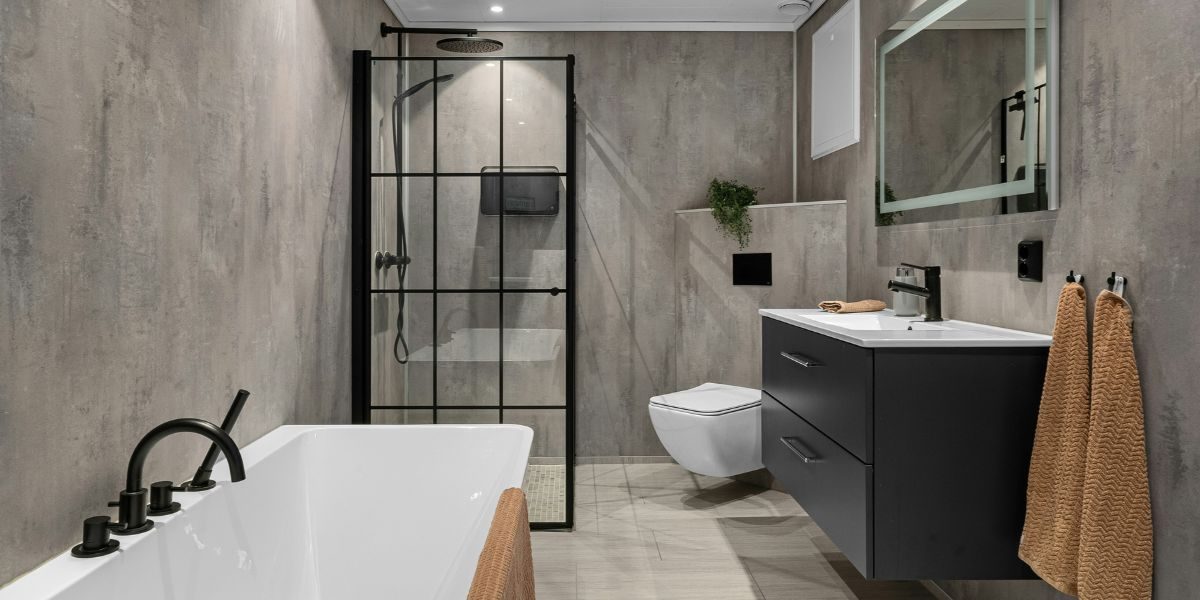
Floating sinks and vanities create open space beneath the countertop, offering essential knee clearance for wheelchair users. This makes daily tasks more manageable and encourages independent living. Wall-mounted vanities also look sleek and modern, adding to the illusion of space. Choosing faucets with long handles or touch sensors further increases accessibility for all users.
Storage is a consideration with floating vanities. Integrating drawers and open shelving nearby can preserve function while keeping essential items within easy reach. Customizable vanity heights and adjustable mirrors can improve usability for those seated or standing. Opt for rounded corners instead of sharp edges to reduce accidental bumps and injuries in a busy bathroom.
Comfort-Height Toilets
Comfort-height toilets are designed to sit a couple of inches higher than standard models, making them easier to use for seniors or those with knee, hip, or back issues. This minor difference in height can significantly reduce strain during a daily routine, providing relief and fostering independence. For maximum comfort and accessibility, pair these toilets with adjacent grab bars.
Some newer toilet models incorporate bidet functions or heated seats, adding layers of comfort while promoting hygiene and further supporting those with limited mobility. Wall-mounted toilets are another stylish, space-saving solution, providing flexible height installation and easy cleaning access below the bowl.
Smart Controls and Touchless Fixtures
Smart bathroom technology, such as motion-activated faucets and voice-controlled lighting, creates a more intuitive and hygienic environment. Touchless controls benefit people with arthritic hands or reduced strength while keeping surfaces cleaner. Integrated smart speakers and temperature-regulated showers can transform routines and make the space future-ready.
Additional tech upgrades worth considering include smart mirrors with LED lighting, anti-fog settings, and built-in digital assistants for reminders and hands-free entertainment. Automated ventilation fans that sense humidity and air quality can also help maintain a comfortable, mold-free environment. Together, these innovations create a bathroom that is welcoming, energy-efficient, and equipped for changing needs.
Non-Slip Flooring
Safety is paramount in any accessible bathroom. Non-slip vinyl, porcelain, or rubber flooring reduces the risk of falls without diminishing the room’s appeal. Many modern non-slip options mimic the look of natural stone or hardwood while providing dependable traction. Carefully selected floor materials can unify the design and ensure a safe, welcoming environment for all users.
When choosing flooring, also consider the ease of cleaning and maintenance. Textured finishes can provide both improved grip and an attractive appearance. Contrasting floor border tiles can visually indicate shower entrances or elevate design by framing the bathing area. Installing underfloor heating adds comfort, particularly helpful for those with circulation issues or colder climates, and is fully compatible with many non-slip surfaces.
Planning for the Future
Installing accessible features during a bathroom remodel offers peace of mind and adaptability if needs change in the future. Barrier-free showers, wider doorways, and reinforcement for future grab bars allow households to evolve gracefully. According to a resource from Architectural Digest, planning for accessibility benefits not just seniors but anyone with temporary or permanent mobility issues. Preemptive planning makes homes more welcoming and accommodating for all guests and residents.
Beyond permanent household members, accessible design ensures that visiting friends or family with mobility challenges feel at ease. Installing lever-style door handles and rocker light switches makes daily routines smoother for kids, seniors, and everyone in between. A beautifully accessible bathroom sets a forward-thinking standard for comfort and hospitality while protecting your home’s long-term value. Whether remodeling for immediate needs or preparing for the future, investing in accessibility delivers benefits today and for years to come.
Thoughtful, accessible bathroom design blends the best modern aesthetics with inclusive features that ensure comfort, safety, and style for every stage of life. With smart planning, innovative technology, and carefully chosen fixtures, homeowners can create beautiful bathrooms tailored for today and prepared for tomorrow.