
New York has always had its own relationship with luxury. The city that houses the Diamond District on 47th Street, where billions of dollars in stones change hands every year, is also the city where savvy buyers have learned to question the markup on everything from real estate to restaurant wine lists.
That same skepticism is now reshaping how New Yorkers buy engagement rings. And the shift is happening faster than the traditional jewelry industry would like.
The Pricing Conversation Nobody in the Industry Wanted to Have
For decades, engagement ring pricing operated on a gentleman’s agreement of opacity. Retailers didn’t explain why a ring cost what it cost. The buyers didn’t ask. The mythology of the two-month salary guideline, a marketing invention by De Beers that somehow calcified into a social norm, did most of the heavy lifting.
That agreement is breaking down.
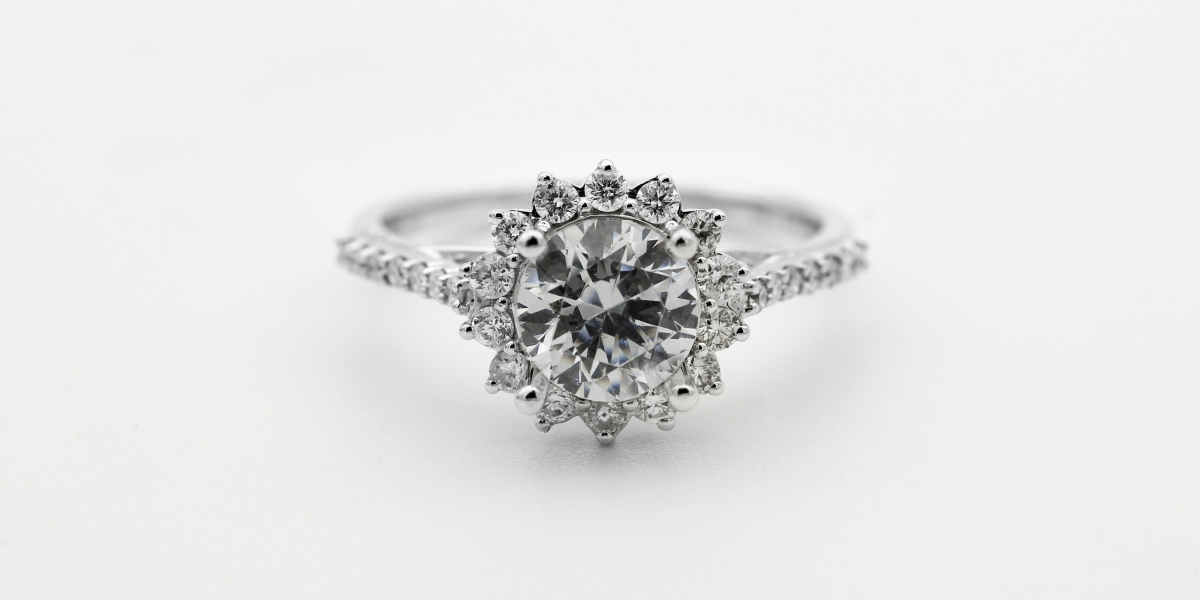
The rise of independently verifiable diamond grading reports from IGI and GIA has changed what buyers can demand. When every diamond’s cut, color, clarity, and carat weight is documented in a certificate you can check yourself, the question of what you’re actually paying for becomes unavoidable.
The answer, increasingly, is overhead. A traditional retail jewelry purchase carries:
• Manufacturing cost
• Wholesale distribution
• Physical retail overhead across often premium real estate
• Staff and brand markup
By the time a ring reaches a showroom on Fifth Avenue or in the Diamond District, the underlying stone may represent a fraction of the sticker price.
What “Direct-to-Consumer” Actually Means for Your Budget
The wave of factory-direct jewelry brands that emerged over the last several years has made the alternative visible in a way it wasn’t before.
A factory-direct brand sources diamonds directly, typically produces settings in-house or through tight manufacturing partnerships, and sells without wholesale or retail intermediaries. For New York buyers used to paying Manhattan prices for everything, this difference can be significant:
• A budget that would get you a 0.9ct stone at a traditional retailer
• May get you a 1.3ct stone of equivalent quality from a brand without the retail overhead
That’s not a marginal difference. That’s a visible one.
The caveat is the same one that applies to any direct-to-consumer purchase: the absence of a physical showroom puts more responsibility on the buyer to verify what they’re getting. IGI and GIA certificates with verifiable report numbers are non-negotiable. Any reputable factory-direct brand provides them. Anything that doesn’t is not worth your time.
Buyers comparing options in this space can start with Leonids, which operates on this factory-direct model and publishes full grading specifications upfront.
The Lab-Grown Demand Surge Is Real, and New York Is Driving It
Lab-grown diamond demand has grown sharply over the past three years, and urban markets are leading that shift. The reasons track with what New York buyers tend to value:
• Price transparency
• Ethical sourcing credentials
• The ability to get more for less
Lab-grown diamonds are chemically and physically identical to mined diamonds. They’re graded by the same institutes, on the same 4Cs criteria. What they offer that mined stones don’t is pricing predictability. Because supply isn’t constrained by geological access, lab-grown diamond prices have come down meaningfully as the category has scaled.
The pushback from traditionalists tends to focus on two arguments:
Resale value. Real, but largely irrelevant. Mined diamond resale is also poor by most asset standards. Engagement rings have never been reliable investment vehicles.
Sentiment. A lab-grown diamond is a real diamond. The meaning attached to it comes from the relationship it represents, not the supply chain it passed through.
What’s Actually Moving in 2026
For buyers paying attention to what’s selling, a few trends are defining this year’s market:
• Elongated oval cuts remain dominant. They read larger than their carat weight and photograph well, which matters more than jewelers will admit in an era when people document everything.
• Emerald cuts are gaining serious ground among buyers who want something architectural and modern. The flat table makes inclusions more visible, so clarity requirements are higher, but the aesthetic payoff is distinctive.
• East-west pear settings, where the stone is mounted horizontally across the finger rather than pointing up, are being chosen specifically because they feel current without being a trend that’ll look dated in a decade.
• Bezel settings are outperforming expectations with buyers who work with their hands or live active lives. The practicality argument is resonating in a way it didn’t five years ago.
• Yellow gold is no longer the throwback option. It’s the intentional one.
How to Buy Smart in This Market
Regardless of where you buy, these steps protect you:
• Verify the certificate first. Request the IGI or GIA certificate number for any stone you’re considering and verify the grading yourself at the issuing organization’s database before any payment changes hands.
• Watch the actual video of the stone, not editorial photography. The difference between a well-cut and mediocre diamond is visible in the video in a way it isn’t in a staged product shot.
• Get the return policy in writing. Thirty days minimum, return shipping covered by the seller, no-questions-asked. Anything more restricted than that shifts risk to you.
• Compare the same grading specs across at least two or three retailers before buying. The price variation for identical diamonds across different business models can be substantial. Leonids Jewelry is worth including in that comparison for their transparency on specifications and factory-direct pricing.
• Understand what you’re paying for beyond the stone. Ask about the metal, the setting construction, and the resizing policy. A ring that needs significant maintenance in year two is a different purchase than it appeared to be at the point of sale.
New York buyers are well-positioned to take advantage of this market shift. The same instinct that makes New Yorkers good at negotiating everything else translates well here. You’re buying a certified product with documented specifications. Approach it that way.
The mythology around engagement rings has been profitable for the industry for a long time. It’s considerably less profitable for the buyer.