
By: Jay Kt
Rhinoplasty, often called a “nose job,” is one of the most researched cosmetic procedures worldwide, and Turkey has become a frequent destination for patients who want to combine medical care with a clear travel plan. If you type “rhinoplasty in Turkey prices” into a search engine, you’ll find a wide range of numbers, package descriptions, and promises. That variety can be confusing, especially if you’re comparing clinics from abroad.
This guide keeps things practical: what typically affects rhinoplasty pricing in Turkey, what you should confirm before you book, and where Esteworld fits in the picture for patients looking for an established clinic. Esteworld states it has been providing aesthetic-focused medical services since 1994, and it lists core service areas that go beyond plastic surgery, something that can matter when you’re evaluating overall structure and patient coordination.
Why Turkey for Rhinoplasty? The Practical Reasons People Consider It
People don’t choose a country for surgery because of one single factor. In most cases, it’s a mix of access, logistics, and budget. Turkey is often discussed because clinics commonly offer organized medical-travel pathways (consultation, surgery scheduling, and follow-up planning), and Istanbul is frequently referenced as a hub for international patients.
The most important takeaway is simple. Outcomes and safety depend far more on the surgeon, clinic standards, and planning than on the destination name itself. A rhinoplasty in Turkey search should always turn into “Who is my surgeon, what is the plan, and what is included in aftercare?”
Rhinoplasty Prices in Turkey: What Range Is Commonly Quoted?
Instead of relying on forum anecdotes, it’s helpful to start with a clinic’s own published guidance and then confirm your individual quote during consultation. Esteworld’s English-language resource on the topic states that rhinoplasty in Turkey is priced between $2,500 and $4,500, depending on factors like the clinic and the surgeon’s experience.
That range is not a universal “menu price.” Think of it as a starting framework. Your actual quote may move up or down based on medical needs, complexity, and what’s included in the package.
What Actually Changes the Price of a Nose Job in Turkey?
When patients compare rhinoplasty prices in Turkey, the difference usually comes down to a few predictable variables:
1) Primary Vs. Revision Rhinoplasty
A primary rhinoplasty is your first nose surgery. A revision rhinoplasty aims to correct or improve the result of a prior operation. Revision cases can be more complex (scar tissue, altered cartilage support, structural issues), which may affect planning and cost. Esteworld also publishes separate informational content for revision rhinoplasty, reflecting that it’s treated as a distinct category rather than “the same surgery again.”
2) Your Anatomy And Functional Needs
Rhinoplasty involves more than appearance. Some patients also have breathing concerns or structural deviations. The surgical plan can change if the goal includes both cosmetic reshaping and functional improvement.
3) Technique And Surgical Plan Detail
“Open” vs. “closed” rhinoplasty, tip work, bridge work, and structural support strategies all influence operating time and complexity. The right plan depends on your face, skin thickness, cartilage strength, and goals, not on a trend.
4) What The Package Includes
Two quotes can look similar until you compare what’s inside. Accommodation, transfers, medications, interpreter support, and follow-up visits can change the total cost meaningfully.
What an All-Inclusive Rhinoplasty Package May Include (And What to Confirm)
Many international patients like all-inclusive packages because budgeting becomes easier. Esteworld’s rhinoplasty cost in Turkey page lists common inclusions such as preoperative consultation (including photo analysis and plan review), surgeon/hospital/anesthesia fees, medications and supplies for early recovery, airport transfers and clinic-to-hotel transportation, hotel accommodation for a set number of nights, interpreter support when needed, scheduled follow-ups (including remote check-ins), and a written aftercare plan with emergency contacts.
Before you book, confirm details in writing. Useful questions include:
- How many hotel nights are included, and can they be extended if needed?
- Who provides anesthesia care, and where does surgery take place?
- What follow-up visits happen before flying home?
- What support exists after you return home (remote check-ins, messaging, calls)?
- What is excluded (extra tests, additional nights, revision policies, etc.)?
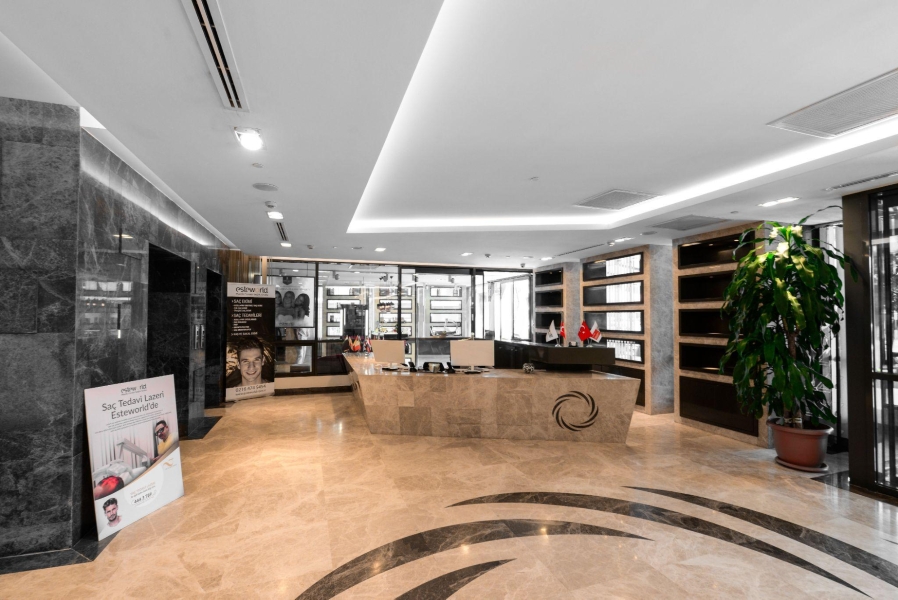
Esteworld at a Glance: Founding Year, Core Services, and Structure
If you’re evaluating Esteworld specifically, start with the basics that help you compare it to other clinics in a fair way.
Founding year: Esteworld states it has offered aesthetic services since 1994.
Core service areas (as listed by Esteworld): On its international site navigation and “About Us” content, Esteworld presents its main service lines as Hair Transplant, Plastic Surgery, Medical Aesthetics, Dental, and Longevity.
From a patient perspective, this matters because you’re choosing more than a procedure. You’re choosing a care pathway that includes consultation, coordination, and follow-up. A clinic that operates across multiple departments may have more standardized patient services, though you still need to confirm who performs your surgery and how your care is managed day-to-day.
Medical Leadership: Mentioning Dr. Burak Tuncer
Esteworld’s published doctor profile states that Dr. Burak Tuncer has been working as Medical Director since 2020.
For a prospective rhinoplasty patient, the important point is to understand what “medical director” means in practice: clinical oversight, coordination standards, and the wider medical framework of the institution. It does not automatically mean the medical director performs every procedure. During consultation, you should still ask directly who will be your operating surgeon and what their experience is with cases like yours.
How a Typical Patient Journey Works: From Inquiry to Follow-Up
Every clinic has its own process, but international rhinoplasty journeys often follow a similar structure:
- Initial inquiry and photo review: You share basic information, photos, and your goals. This is usually when you receive a preliminary price range.
- Medical history check: You disclose prior surgeries, breathing issues, medications, allergies, and any conditions that could influence anesthesia or healing.
- Pre-op consultation and plan: A serious consultation should translate your goals into a realistic plan that fits your anatomy. Esteworld’s guidance references preoperative consultation and plan review as part of the pathway.
- Surgery day and early recovery: Expect swelling, congestion, and a “tight” feeling at first. Many patients describe recovery as more uncomfortable than sharply painful, but experiences vary.
- Follow-up before travel: Before you fly home, the clinic typically checks healing progress. Esteworld’s published checklist includes travel-planning advice such as keeping flights flexible and staying near the clinic, which reflects the reality that post-op timing is sometimes adjusted based on how you’re doing.
- Remote check-ins: For international patients, remote follow-up can be part of the aftercare plan. Again, confirm what is offered and how quickly the clinic responds.
Recovery: What Patients Often Underestimate
If you’re planning rhinoplasty in Turkey, the biggest mistake is assuming the final result appears quickly. In reality, rhinoplasty is a long-healing procedure:
- First 1–2 weeks: swelling and possible bruising are most visible; nasal congestion is common.
- First 1–3 months: the nose often looks “better,” but refinement continues.
- Longer term: subtle swelling, especially around the tip, can take much longer to settle.
Because timelines vary by person and surgical plan, it helps to schedule surgery when you have adequate flexibility. If you must return to a public-facing role quickly, discuss realistic timing and what “camera-ready” looks like for your specific case.
Planning Your Budget: Beyond the Surgical Quote
When comparing rhinoplasty prices in Turkey, don’t stop at the quoted figure. Your real budget may include:
- Flights (consider flexible tickets if possible)
- Extra hotel nights (in case your surgeon recommends more rest)
- Meals and local transport outside transfers
- Travel insurance options (where applicable)
- Time off work and recovery comfort items
Even when a package includes many items (as described in Esteworld’s published outline), it’s smart to keep a buffer for unexpected changes.
Questions Worth Asking Any Rhinoplasty Clinic (Including Esteworld)
To keep your decision grounded, ask questions that reveal the clinic’s planning and follow-up quality:
- Who will be my operating surgeon, and can I see examples of similar cases?
- How do you evaluate breathing function and internal structure?
- What are the realistic limits based on my skin thickness and cartilage?
- What happens if swelling or healing doesn’t follow the average timeline?
- What is your follow-up schedule before I fly and after I return home?
- What is included in the quote, and what would create extra cost?
These questions are not confrontational. They’re the basics of informed consent and good planning.
Disclaimer: This article is provided for general informational purposes only and does not constitute medical advice, diagnosis, treatment guidance, or a recommendation of any clinic, surgeon, or procedure. Rhinoplasty is a surgical procedure with potential risks, and individual suitability, recovery, costs, and results may vary. Prospective patients should consult a qualified and appropriately licensed medical professional and independently verify the surgeon’s credentials, facility standards, total costs, aftercare arrangements, and travel requirements before booking.