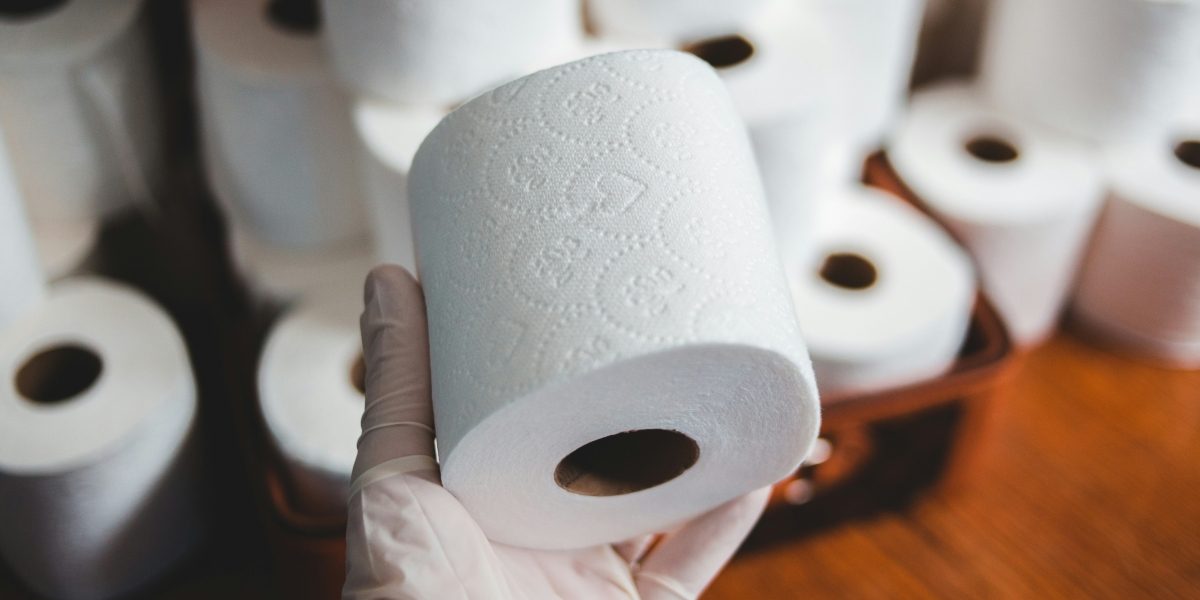

When it comes to maintaining a healthy plumbing system, many homeowners overlook an essential factor: the type of toilet paper they use. While it may seem like a trivial decision, choosing the wrong toilet paper can result in clogged pipes, expensive repairs, and environmental damage. So, what is the ideal toilet paper for house plumbing, and how do you make the right choice for your home? Let’s dive into the details to help you make an informed decision.
Why Does Toilet Paper Matter for Plumbing?
Toilet paper is designed to dissolve in water to prevent blockages in your plumbing system. However, not all toilet paper is created equal. Some brands are thicker, stronger, or slower to break down, which can cause significant issues in your pipes, especially if you have older plumbing or a septic system.
Using the wrong type of toilet paper can lead to clogged pipes, slow drainage, and even damage to your septic tank. This is why identifying what is the ideal toilet paper for house plumbing is so crucial for homeowners.
Factors to Consider When Choosing Toilet Paper for Plumbing
When selecting toilet paper that’s compatible with your plumbing, you should consider the following factors:
- Biodegradability
Biodegradable toilet paper is specially designed to break down quickly in water, reducing the chances of clogs. This type of toilet paper is ideal for both standard plumbing systems and septic tanks. - Ply and Thickness
While plush, multi-ply toilet paper may feel luxurious, it can be harder for your plumbing system to handle. Single-ply toilet paper is thinner and dissolves faster, making it a safer option for your pipes. - Septic-Safe Label
If you have a septic tank, look for toilet paper labeled as “septic-safe.” These products are tested to ensure they break down efficiently and won’t disrupt your septic system’s delicate balance. - Environmental Impact
Many homeowners opt for eco-friendly toilet paper made from recycled materials or sustainably sourced bamboo. These options are not only better for the environment but also tend to dissolve more easily in water. - Dissolvability Test
If you’re unsure whether your current toilet paper is plumbing-friendly, you can perform a simple dissolvability test at home. Place a few sheets in a jar of water, shake it, and see how quickly it breaks apart. The faster it dissolves, the safer it is for your pipes.
Types of Toilet Paper and Their Plumbing Impacts
Let’s take a closer look at some popular types of toilet paper and how they affect your plumbing:
- Standard Toilet Paper
Most conventional toilet paper brands are designed to dissolve in water. However, some thicker or quilted varieties may take longer to break down, increasing the risk of clogs. - Flushable Wipes
Despite being marketed as “flushable,” many wipes don’t dissolve as easily as toilet paper. They often contribute to blockages and should be avoided unless explicitly labeled as safe for plumbing systems. - Recycled Toilet Paper
Recycled toilet paper is an eco-friendly option that is usually thinner and dissolves quickly. It’s a great choice for both your plumbing and the environment. - Bamboo Toilet Paper
Bamboo toilet paper is a sustainable alternative that is soft, strong, and biodegradable. This makes it an excellent option for homeowners who want to protect their plumbing and reduce their environmental footprint.
Tips for Maintaining Healthy Plumbing
Even if you choose the best toilet paper for your plumbing, proper maintenance is essential to avoid costly repairs. Here are some tips to keep your plumbing system in top shape:
- Avoid Overusing Toilet Paper
Using excessive amounts of toilet paper can overwhelm your plumbing. Teach your family to use only what’s necessary. - Flush Only Toilet Paper
Never flush items like wipes, paper towels, or feminine hygiene products. These items can cause severe blockages. - Schedule Regular Plumbing Inspections
Routine inspections can help identify potential issues before they become major problems. - Use Drain Cleaners Sparingly
Chemical drain cleaners can damage your pipes over time. Instead, opt for natural solutions like baking soda and vinegar. - Install a Bidet
A bidet can significantly reduce your reliance on toilet paper, making it a plumbing-friendly and eco-conscious choice.
What is the Ideal Toilet Paper for House Plumbing?
So, what is the ideal toilet paper for house plumbing? The answer depends on your specific needs, but generally, biodegradable, septic-safe, and eco-friendly options like bamboo or recycled toilet paper are the safest choices. Avoid thick, multi-ply varieties and “flushable” wipes to prevent clogs and maintain a healthy plumbing system.
By taking the time to choose the right toilet paper and practicing good plumbing habits, you can protect your home from costly repairs and contribute to a healthier environment. Whether you’re a homeowner with a modern plumbing system or someone relying on a septic tank, the right toilet paper can make all the difference!