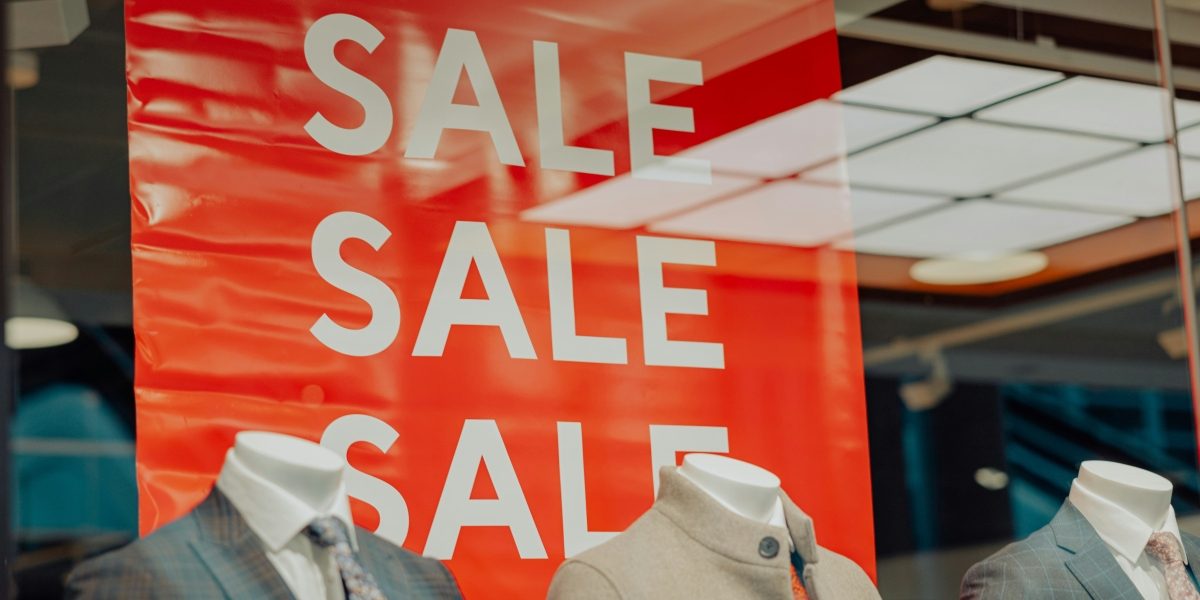

Walk into any clothing store during a holiday sale, and you will see the same desperate scene: red signs screaming “40% OFF,” countdown timers, buy-one-get-one-free offers. The message is clear: buy now because this price will not last. Discounts work, of course. They trigger urgency and a fear of missing out. But they come with a hidden cost. Discounts train customers to wait for sales. They erode brand value. And they attract bargain hunters who will leave as soon as a cheaper option appears.
Meanwhile, a handful of clothing brands rarely discount. They sell $200 T-shirts and $500 sweaters without blinking. Their customers do not wait for sales. They buy at full price, sometimes even joining waiting lists. What is their secret? Storytelling. These brands understand that people do not buy clothes because they need fabric to cover their bodies. They buy clothes because of how the clothes make them feel, what the clothes say about them, and the story behind the garment. A well-told story creates emotional value that no discount can match. The pages ahead explore how storytelling sells clothes, why it outperforms discounts in the long run, and how you can use it for your own brand.
The Problem With Discounts: A Race to the Bottom
Discounts are easy. You lower the price, and for a short while, sales go up. But the long-term effects are damaging. Frequent discounts teach customers that your regular price is inflated. They learn to wait for the next sale. Your brand becomes associated with cheapness, not quality. Discount shoppers also have no loyalty. When a competitor offers 50% off instead of your 40%, they disappear.
In clothing, where margins are already tight, discounting can be fatal. A brand that relies on sales slowly bleeds profit. Worse, it loses the ability to tell a compelling story because the story becomes “we are affordable,” which is not a story anyone remembers. Discounts are transactional. Storytelling is transformational.
What Storytelling Actually Means for Clothing
Storytelling in fashion is not about writing a novel on your product page. It is about creating a narrative around the garment that connects with the customer’s identity, aspirations, or memories. A story answers three implicit questions: Where did this come from? Who made it? And why should I care?
Take two identical white linen shirts. One is described as: “100% linen, machine wash, imported.” The other says: “This linen was woven in a small Portuguese village, where the same family has been spinning flax for three generations. The shirt breathes in summer heat and softens with every wash, the kind of shirt you will still wear ten years from now.” The second description sells better, even at a higher price, because it tells a story. It adds meaning. The customer is not buying a shirt; they are buying a piece of Portuguese craft, durability, and heritage.
Emotion Over Logic: Why Stories Bypass the Rational Brain
Neuroscience explains why storytelling is so effective. When you read a list of product features, your brain’s language processing areas light up. When you hear a story (a character, a conflict, a resolution), your brain activates sensory, emotional, and even motor regions. You do not just understand the story; you feel it. This is called neural coupling. A good story about a jacket can make you imagine the feel of the wind, the smell of the waxed cotton, and the sound of the zipper. That emotional engagement creates desire.
Discounts appeal to the logical, calculating part of the brain: “Save $20. Good deal.” Stories appeal to the emotional, wanting part: “I can see myself wearing this on a rainy weekend in the countryside.” The emotional brain is far more powerful in driving purchase decisions, especially for clothing. People justify a purchase with logic later, but they buy because of feeling. Storytelling delivers the feeling that discounts cannot.
Types of Clothing Stories That Sell
Not all stories are equal. Based on successful menswear and womenswear brands, here are five story frameworks that consistently sell clothes better than discounts.
- The origin story (heritage): This tells where the fabric, the design, or the manufacturing comes from. “This wool comes from sheep in the Scottish Highlands, where winters are harsh and the fleece grows dense and warm.” Origin stories work because they anchor the garment in a real place and time. They make the product feel authentic, not mass-produced.
- The maker story (craftsmanship): Customers care about who made their clothes, especially younger shoppers. “Each jacket is hand-stitched by Maria, who has worked in our Naples workshop for twenty-two years. She signs every lining.” This story creates a human connection. The garment becomes a relationship, not a transaction.
- The user story (aspiration or memory): Describes a scene where the customer wears the garment. “Picture yourself walking through an autumn market, this sweater keeping you warm as you sip coffee from a paper cup. The sleeves are just long enough to cover your knuckles.” This story helps the customer imagine their own life improved by the product.
- The material story (sustainability or performance): “This recycled polyester comes from seventeen plastic bottles recovered from the Pacific. It dries twice as fast as cotton and uses 70% less water to produce.” For environmentally conscious buyers, this story creates pride. They are not just buying pants; they are reducing waste.
- The scarcity story (limited edition): Unlike a discount, which screams “cheap,” a scarcity story says “rare.” “Only two hundred of these jackets were made. Each is numbered and will never be reproduced.” This story appeals to collectors and people who value uniqueness. It sells out at full price.
Why Stories Create Brand Loyalty While Discounts Create Churn
A customer who buys because of a discount feels good about saving money. But that feeling fades. Next time, they need a bigger discount to feel the same rush. Eventually, they become numb. They jump from sale to sale, never forming a bond with any brand.
A customer who buys because of a story feels something deeper. They feel connected to the brand’s values, the maker’s skill, or the imagined lifestyle. That connection endures. They will pay full price again because they are not buying a product; they are supporting a narrative they believe in. They become advocates, telling the story to their friends. Word-of-mouth driven by story is free, powerful, and permanent.
Real Examples: Brands That Sell With Story, Not Discounts
Look at Patagonia. They rarely discount, yet their fleece jackets sell out instantly. Their story: environmental responsibility, repair over replacement, wild places. Customers pay premium prices because they want to be part of that story. When Patagonia says “Don’t buy this jacket” in an ad (encouraging repair instead), sales actually increase. A discount could never produce that effect.
Consider Nudie Jeans. They sell raw denim at high prices. Their story: organic cotton, free repairs for life, the beauty of faded jeans that record your life. Customers do not wait for sales; they buy and then wear the same jeans for years. The story creates a relationship that discounts would destroy.
Then there is Asket, a minimalist menswear brand. Their story: transparency. They publish the exact cost of materials, labor, and shipping. They show their markup. Customers trust them completely and buy at full price. The story of honesty sells better than any 20% off code.
How to Implement Storytelling Without Being Pretentious
Many brand owners fear that stories sound fake or forced. The solution is simple: tell the truth. If your cotton is from Egypt, say so. If your mother taught you to sew, mention her. If you designed this shirt for your own tall, thin frame, say that. Authenticity is the only rule. Customers can smell a manufactured story from a distance.
Start small. On each product page, write three short paragraphs: where the material came from, who made it, and what problem it solves (or what feeling it creates). Add a photograph of the maker, the factory, or the raw material. That visual story reinforces the text.
Then, use email newsletters to tell longer stories. Write about a trip to the fabric mill. Interview the seamstress. Share a customer’s photo wearing the jacket on a hike. These stories build a library of meaning around your brand. Over time, your products become characters in a continuing narrative that customers follow.
The Economics: Higher Margins, Lower Marketing Costs
Discounting compresses margins. You sell more but keep less per unit. Storytelling allows you to maintain full price, or even raise prices, because you are selling value, not cost. A $100 shirt with a 50% discount leaves $50. The same shirt sold at full price with a compelling story leaves $100 (minus the cost of storytelling, which is nearly zero). Doubling your margin per unit is far more powerful than doubling your volume at half the margin.
Storytelling also reduces customer acquisition costs. Happy customers who connect with your story share it. They become your marketing department. Discounts attract shoppers who need constant paid advertising to be reminded of the next sale. Stories attract organic attention. In the long term, a storytelling brand spends less on ads and earns more per customer.
When Discounts Still Make Sense (and How to Combine With Story)
None of this means discounts are always evil. A clearance sale for end-of-season stock is fine. But even then, frame the discount within a story. Instead of “40% off,” write “Making room for next season’s collection. These pieces have served us well, and we want them to find a good home.” The discount becomes a gentle note, not a scream. The story preserves brand dignity.
For new customer acquisition, a “first purchase” discount can work, but pair it with a story: “Join our community and get 10% off your first order. We’ll also send you the story of how each piece is made.” The discount is a handshake; the story is the relationship.
Sell Meaning, Not Markdowns
Clothing is one of the most personal, expressive products a person buys. People wear stories on their bodies: the vintage jacket that belonged to a grandfather, the sweater bought on a trip to Ireland, the ethical boots that match their values. Discounts ignore this emotional reality. They reduce clothing to a commodity.
Storytelling honors what clothing truly is: a vessel for memory, identity, aspiration, and craft. When you tell a great story, you do not need to lower your price. You need to raise your voice. Share where the shirt comes from. Introduce the person who sewed the buttons. Paint a picture of the rainy day when the jacket will feel like armor. Do that, and customers will not wait for a sale. They will buy today, at full price, and thank you for the story they get to wear.