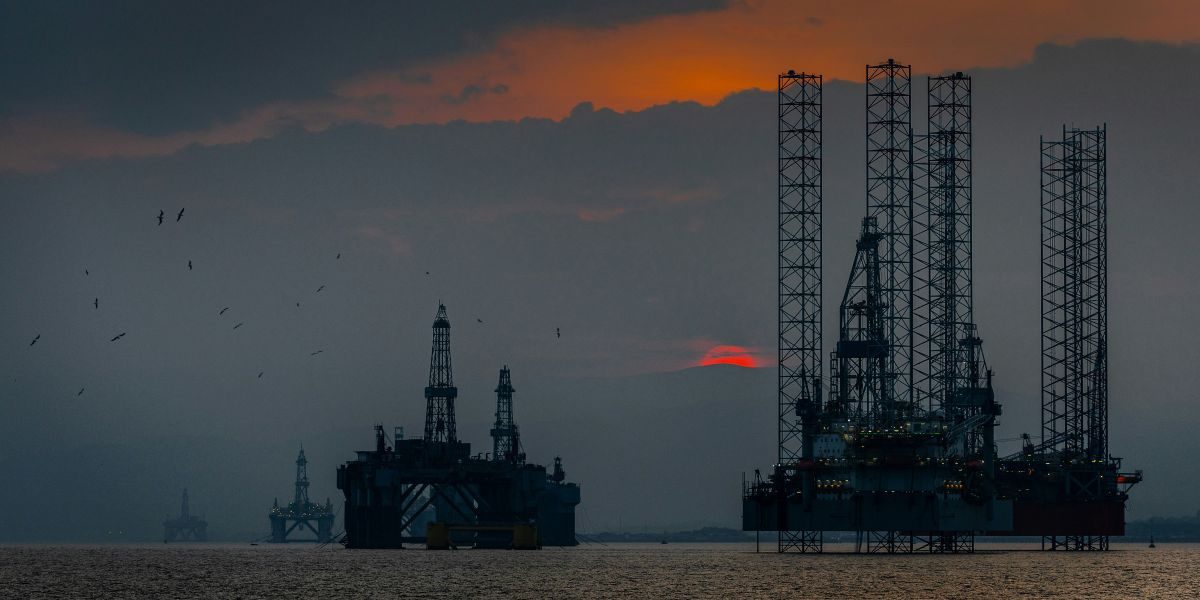

As offshore oil and gas fields reach the end of their operational lifespan, the industry faces the monumental task of decommissioning aging infrastructure. This process is far more than ‘reverse installation’; it requires a sophisticated approach to handle structures that have been subject to decades of marine growth, corrosion, and shifting seabed conditions. Success in this field depends on the close integration of cutting and lifting technologies to ensure safe, cost-effective, and environmentally responsible removal.
Integrating Cutting and Extraction for Efficient Removal
The removal of subsea structures, such as jackets, conductors, and templates, typically involves two critical phases that must be perfectly synchronized: severing the foundation and extracting the components. Traditional methods often rely on diverse or complex subsea interventions, but the industry is shifting towards remote, hydraulic solutions that minimize human risk. Precision subsea cutting tools now use hydraulic power and manipulator arms for accurate positioning, allowing for clean cuts in conductors and piles at various angles.
Ensuring Reliability with Fail-Safe Lifting Mechanisms
Lifting aged and potentially weakened structures requires absolute certainty. Advanced internal and external lifting tools (ILT and ELT) use a ‘fail-safe’ principle, where the weight of the load itself increases the gripping force. This mechanical locking ensures that once a structure is engaged, it cannot be released until it is safely positioned on a barge or at a recycling yard. This approach eliminates the dependency on the structural integrity of old padeyes or original lifting points.
Minimizing Offshore Risk Through an Integrated Engineering Approach
A comprehensive decommissioning strategy, often referred to as the CLEAR philosophy (Cutting, Lifting, Excavating, from Advice to Removal), has gained traction across the decommissioning sector. This involves early-stage engineering and Finite Element Analysis (FEA) to predict how a structure will behave during extraction. By using integrated tools like the ‘drill pin connector’, engineers can secure multiple strings or piles simultaneously, which significantly reduces the number of individual lifts and optimizes expensive vessel time.
Validating Strategies in Complex North Sea Environments
The effectiveness of these integrated strategies is evident in major projects across the North Sea, such as the decommissioning of the Tyra field and the Brent Delta topsides. These projects demonstrate that by combining specialized equipment such as hydraulic release shackles and custom lifting spreads with multi-skilled offshore teams, operators can overcome the logistical hurdles of large-scale infrastructure removal while meeting high recycling targets.
Advancing the Future of Asset Retirement
As the decommissioning market matures, the focus remains on reducing operational risk and environmental impact. By using remote-controlled technology and proven lifting ecosystems, the industry can ensure that the transition from energy production to site restoration is handled with the same level of precision as the initial construction.