
Workplaces are busy places. People move, work with tools, handle equipment, and spend long hours together. Most days run smoothly, but emergencies can happen when no one expects them.
When someone collapses or stops breathing, the first few minutes are critical. Waiting for emergency responders may take time, and during those moments, trained coworkers can make a life-saving difference.
This is why CPR certification has become an important part of workplace safety. It prepares employees to respond quickly and with confidence during medical emergencies.
If you want to understand how CPR training can transform safety in the workplace, keep reading to learn why this skill matters more than many people realize.
Why Emergencies Can Happen at Work
Many people think medical emergencies happen only in hospitals, but they can also occur at work in offices, factories, schools, or construction sites. Long work hours, hard work, and stress can sometimes cause sudden health problems.
A person may fall, choke, or stop breathing while doing normal work. When this happens, coworkers are often the first nearby people who can help.
The first few minutes are very important because fast action can help protect the brain and body. CPR training teaches workers how to help during these emergencies.
How CPR Training Improves Workplace Preparedness
CPR certification teaches employees clear steps to follow during emergencies. Workers learn to recognize signs of cardiac arrest and act quickly.
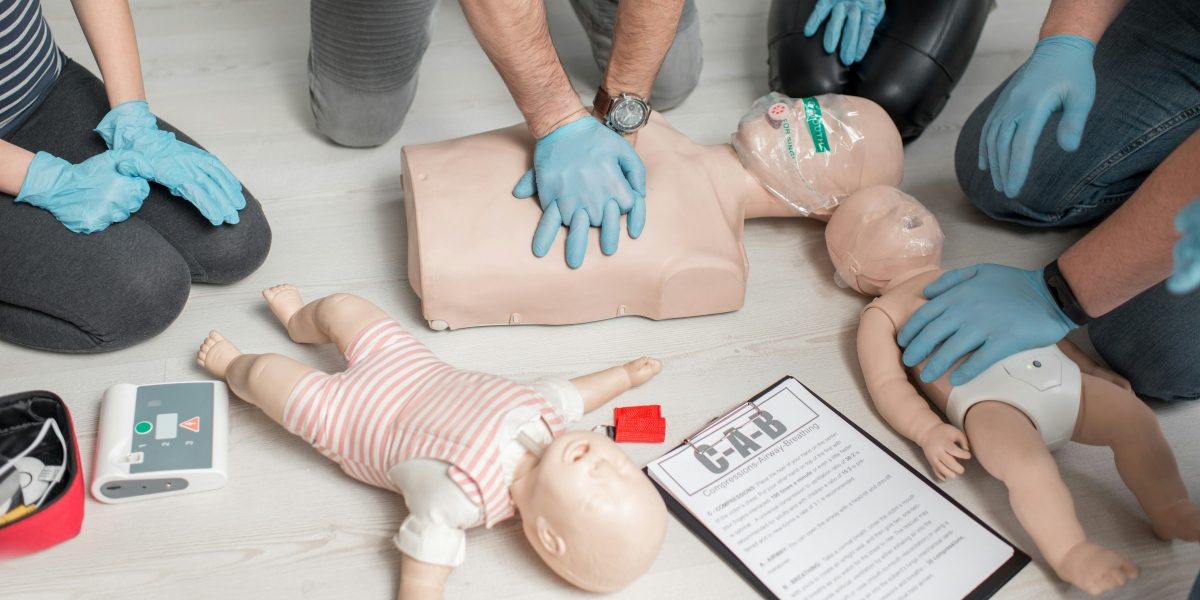
Training focuses on chest compressions, rescue breathing, and the safe use of automated external defibrillators. These skills help maintain blood flow and oxygen in the body until medical professionals arrive.
When many workers learn CPR, the workplace becomes more ready for emergencies. Instead of panic or confusion, trained workers can stay calm and know what to do.
Building Confidence Among Employees
One big benefit of CPR training is confidence. Many people want to help in an emergency but may not know what to do. CPR training teaches simple steps that help workers stay calm and act fast.
With this training, they can assess the situation and start life-saving care right away. This confidence helps not only at work but also at home or in public places. People who know CPR can help family, friends, or even strangers.
Encouraging a Culture of Safety
CPR certification also strengthens the safety culture within a workplace. When employers invest in training, they show that employee well-being is a priority.
Workers become more aware of health risks and more willing to watch out for one another. Safety meetings, training sessions, and emergency drills help reinforce this culture. Organizations that wish to expand their safety programs can explore different training resources online, and employees interested in learning more can simply go to the site that provides certification information and course options.
Making CPR Training Accessible
Modern CPR training is now easier to take. Many courses offer flexible times, online lessons, and simple practice sessions. This allows workers to finish training without stopping their daily work. Companies can also set group classes so teams can learn together.
A Workplace Where Everyone Can Be a Lifesaver
CPR certification transforms ordinary employees into potential lifesavers. It turns concern into action and uncertainty into preparedness.
When workers know how to respond during a medical emergency, they create a safer environment for everyone around them. Each trained individual becomes an important link in the chain of survival. By investing in CPR training, workplaces take a powerful step toward protecting both employees and the communities they serve.
For more on this content, visit the rest of our blog!
Disclaimer: “The benefits and effectiveness of CPR certification discussed in this article are based on general information and training standards. Individual experiences with CPR training may vary.”