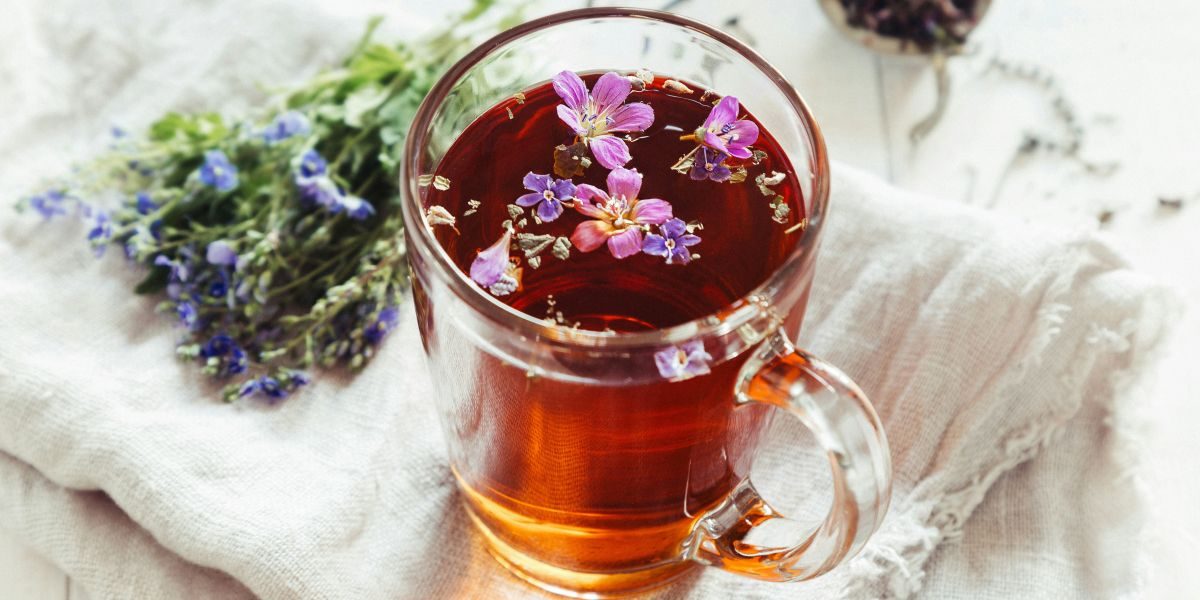

If you’ve been researching ways to support lactation or explore the traditional benefits of herbal medicine, you’ve likely come across goat’s rue (Galega officinalis). This time-honored herb has been used for centuries as a galactagogue; the substance believed to promote milk production, and today it’s widely available as a tincture.
However, not every goat’s rue tincture is created equal. Walk into any health food store or browse online, and you’ll find a dizzying array of options with little guidance on what separates a quality product from a mediocre one. Here’s what to look for before you buy.
1. Certified Organic Herb Sourcing
This is the single most important factor. Goat’s rue should be grown without synthetic pesticides, herbicides, or chemical fertilizers, especially since you’ll be consuming a concentrated liquid extract. Look for a certified organic goat’s rue tincture, which means the herb has been verified by a third-party certifying body (like the USDA’s National Organic Program).
Why does this matter? Tinctures are concentrated. Whatever is in the plant, including unwanted chemicals, gets concentrated right along with the beneficial compounds. Organic certification gives you confidence that what you’re getting is as clean as possible.
2. The Extraction Method
A high-quality tincture starts with a thoughtful extraction process. The most common method uses a menstruum, a solvent typically consisting of alcohol and water, to extract the plant’s active constituents. Alcohol-based tinctures tend to have a longer shelf life and extract a broader range of compounds than glycerin-based alternatives.
Look for brands that are transparent about:
- The ratio of herb to solvent (e.g., 1:3 or 1:5)
- Whether they use fresh or dried plant material
- The alcohol percentage used
Fresh plant tinctures, sometimes called “fresh herb extracts,” are preferred by many herbalists for certain plants because they capture a fuller spectrum of the plant’s properties before drying can degrade delicate compounds.
3. Company Experience and Reputation
Herbal tincture-making is as much an art as it is a science. There’s a significant difference between a company that has been formulating tinctures for decades and one that recently jumped into the wellness market. Established herbal companies bring:
- Deep knowledge of plant sourcing and quality control
- Relationships with trusted growers
- Refined extraction techniques built over years of practice
- A track record you can research
Look for brands with a long history in the herbal industry, ideally companies that have been specializing in tinctures for many years and have earned the trust of both herbalists and everyday consumers. Customer reviews, herbalist recommendations, and third-party mentions can help validate a brand’s reputation.
4. Transparent Labeling
A quality goat’s rue tincture should tell you exactly what’s in it. The label should clearly list:
- The Latin name (Galega officinalis), alongside the common name
- The part of the plant used (aerial parts/leaves or roots are most common)
- Whether the herb was fresh or dried at the time of extraction
- The menstruum (e.g., alcohol, vegetable glycerin)
- The herb-to-menstruum ratio
- Suggested use and any safety warnings
Be cautious of vague labels that simply say “proprietary blend” without specifics, or products that don’t disclose the solvent used.
5. Third-Party Testing
Reputable herbal companies invest in third-party testing to verify the identity, potency, and purity of their products. This testing can confirm:
- That the herb is genuinely Galega officinalis and not an adulterant
- That heavy metals and microbial contaminants are within safe limits
- That pesticide residues are absent or within acceptable ranges
If a company makes this testing information available, either on their website or upon request, that’s a strong sign they stand behind their product.
6. Appropriate Safety Information
Goat’s rue is generally considered safe when used appropriately, but a trustworthy brand will still provide clear guidance on dosage and contraindications. Quality companies don’t shy away from noting that you should consult a healthcare provider, particularly if you’re pregnant, nursing, or taking medications like blood sugar-lowering drugs, since goat’s rue may have hypoglycemic effects.
If a product makes sweeping health claims without any safety caveats, that’s a red flag.
7. Packaging and Shelf Life
Tinctures should be stored in dark glass bottles to protect the extract from light degradation. Avoid products packaged in clear glass or plastic. A dropper top is standard, making administration easier. Check the expiration date and batch number. A quality company tracks this information, which also helps with any recalls or quality control issues.
Knowledge Is Your Best Buying Tool
Buying a goat’s rue tincture is an investment in your health, and it’s worth taking a few extra minutes to vet the product and the company behind it. Prioritize certified organic sourcing, transparent labeling, extraction expertise, and a proven track record in the herbal industry. When a company checks all those boxes, you can feel confident you’re getting a tincture that’s not only safe but genuinely effective.
As always, consult with a midwife, lactation consultant, or healthcare provider before adding any herbal supplement to your routine, especially during the postpartum period.
Disclaimer: The information provided in this article is for informational purposes only and is not intended to serve as medical advice. Always consult a qualified healthcare professional before starting any new supplement or treatment, especially if you are pregnant, nursing, or have underlying health conditions. The effectiveness of goat’s rue tincture may vary from person to person, and individual results are not guaranteed.