

By: Content Strategy Division, Novella Publishers
Mark spent three years writing his memoir. He poured everything into it. When traditional publishers passed, he started looking at other options and stumbled into a company that appeared to offer everything. Six months and $4,000 later, he had a poorly edited book with a clip-art cover that left him dissatisfied. The company stopped responding to his inquiries.
Stories like Mark’s can sometimes be found. The publishing services industry has expanded in recent years, and while many companies do reliable work, others might take advantage of writers who don’t know what questions to ask.
The Wild West of Modern Publishing
Big publishing houses reject somewhere around 99% of submissions. Agents are swamped. For most writers, especially debut authors without connections, breaking in through traditional channels may feel almost impossible.
That gap has created opportunities. Publishing service providers now offer everything from editing to cover design to distribution, all for a fee. Authors pay out of pocket but keep their rights. The model makes sense in theory.
Problems start when writers mistake a flashy website for a sign of competence. Anyone can create a professional-looking homepage and call themselves a publisher these days.

Photo Courtesy: Novella Publishers
Contracts Hide the Ugly Stuff
Sandra, a romance novelist from Ohio, learned this the hard way. She signed with a provider that seemed like a perfect fit during the sales pitch. Months later, when she wanted to switch distributors, she discovered her contract gave the company exclusive control for five years.
“I felt so stupid,” she said. “Everything was right there in the paperwork. I just didn’t read carefully enough.”
Authors need to treat these contracts like buying a house. Read every page. Highlight anything confusing. Ask a lawyer if possible. Key things to look for: Who owns the final files? Can the author terminate at any time? Are there hidden fees for revisions or changes?
Legitimate companies tend to be transparent and will walk through the contract clause by clause if asked.
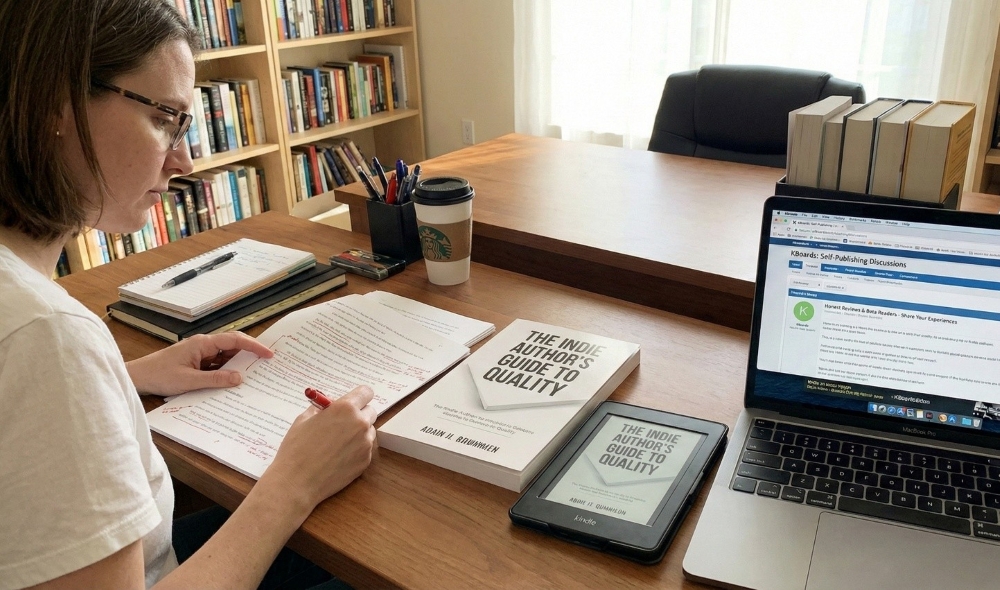
Photo Courtesy: Novella Publishers
Samples Don’t Lie
One trick that separates good providers from bad ones is to look at their actual work.
Request samples. Examine the book covers they designed. Read pages from manuscripts they edited and check formatting on both Kindle versions and print copies. If a company hesitates to share examples, that hesitation could be a red flag.
Quality in this industry runs from exceptional to below expectations. Some smaller providers produce work that rivals anything from major houses. Others may produce books that appear self-published from a distance.
Reviews help, too, but not the ones on company websites. Those get curated. Dig into independent forums where authors discuss their experiences honestly. Reddit threads and Facebook groups for indie writers often contain warnings about specific companies. People who have had negative experiences want others to know.
How They Treat You Now Is How They’ll Treat You Later
Before money changes hands, most companies act friendly and responsive. The real test comes after.
Still, clues exist early on. Does the salesperson actually listen or just barrel through a script? When asked specific questions, do answers come back clear and direct? How long do emails sit before getting a reply?
Publishing a book involves months of back-and-forth. Cover revisions, editing rounds, formatting tweaks. Authors need partners who stay engaged when things get tedious, not just during the honeymoon phase.
Not Everyone Needs a Provider
Some authors don’t need these services at all. Writers comfortable with technology can handle formatting themselves. Those with design skills can create their own covers. Plenty of freelance editors charge less than full-service packages.
But for authors who want professional results without becoming project managers, a good provider can simplify the process.
Rushing this decision doesn’t always end well. Writers should talk to multiple companies, compare offerings, and trust their gut when something feels off. The right partner could make the publishing journey smoother. The wrong one may turn a dream into a nightmare.
A confident woman in her 30s holding a professionally designed hardcover book, smiling proudly. She stands in a bright, modern space like a bookstore or office with bookshelves in the soft background. The book cover looks polished and high-quality. Natural lighting, warm and optimistic mood. Editorial photography style, portrait orientation.
One Provider Getting It Right
Novella Publishers has carved out a reputation for doing things differently. The New York company handles ghostwriting, editing, design, and marketing in-house rather than outsourcing to random freelancers. Authors work with the same team from start to finish and keep full ownership of their books. For writers tired of horror stories and looking for a partner they can trust, Novella Publishers offers a free consultation through their website at novellapublishers.com.
Disclaimer: This article contains information about Novella Publishers’ services and offerings. While we strive to provide accurate and up-to-date information, readers should conduct their own research and due diligence before engaging with any publishing services. This content is for informational purposes only and should not be considered as professional advice. Some details about services, pricing, and availability may change over time.