
Life is full of financial surprises, whether it’s a sudden medical bill, a car breaking down, or an unexpected job loss; these situations can put pressure on your finances at the worst times. Preparation can transform these crises into manageable hurdles. Building a strong emergency fund plan is one of the most effective ways to lessen the sting of life’s unpredictability while securing your financial future.
Proactive planning and cultivating sound financial habits help you handle emergencies smoothly, enabling you to focus on solutions rather than stress. For many, facing uncertainty with a clear financial strategy brings peace of mind and protects against lasting setbacks. By getting started today, you gain valuable protection down the road.
Whether you’re new to financial planning or looking to fine-tune your strategies, learning about modern budgeting tools and methods is important. Financial experts suggest tailoring traditional rules, such as the 50/30/20 budget, to your unique needs in a rising cost-of-living environment.
Build an Emergency Fund
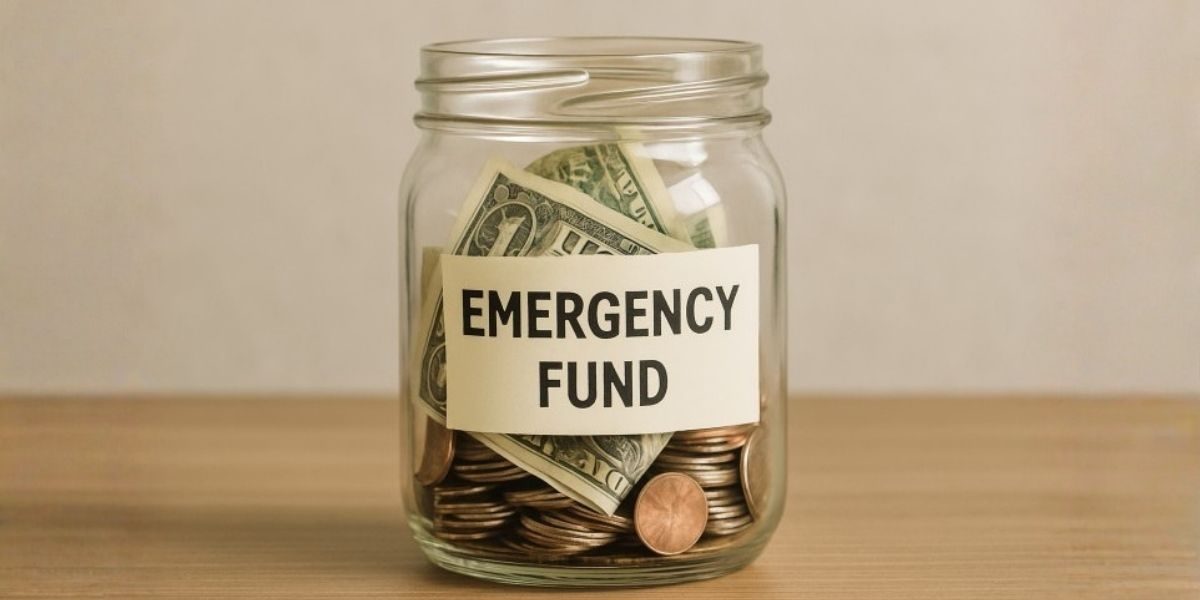
An emergency fund is your go-to resource for unexpected expenses and financial shocks. Experts generally recommend saving three to six months’ worth of basic living expenses, but you can start small. Consistency is key. Even setting aside the price of a daily coffee or lunch can add up over months, ensuring you have cash on hand for whatever life throws your way.
Keeping your emergency fund in a separate, easily accessible savings account lets you avoid the temptation to dip into it for non-essentials. Automation can also help: by setting up recurring transfers, you’ll steadily increase your safety net and foster good savings habits.
Budget for the Unexpected
Incorporating an “unexpected expenses” category into your budget is a proactive step. Whether you use traditional spreadsheets or budgeting apps, categorizing this as a non-negotiable monthly item will help cushion you from surprise costs. While the 50/30/20 rule splits your budget into needs, wants, and savings, adopting the 60/30/10 format may make more sense now, with 60% for essentials, 30% for discretionary expenses, and 10% for savings and debt repayment. This is especially helpful if most of your paycheck goes toward rent or a mortgage.
Budgeting becomes more dynamic as you monitor your spending throughout the year. If an unexpected expense depletes your savings, temporarily adjust your budget to rebuild your fund as quickly as possible.
Maintain a Healthy Credit Score
Even with diligent saving, some emergencies require borrowing. Maintaining a healthy credit score can unlock more favorable and flexible credit options. To keep your score in good standing, make payments on time, avoid carrying large balances, limit new credit applications, and periodically review your credit report for errors.
- Pay all bills and loan installments promptly to avoid late fees and negative marks on your credit score.
- Keep credit utilization below 30% to show lenders you’re responsible.
- Open new credit accounts only as needed, and not simultaneously.
- Request credit reports from the major bureaus annually to ensure accuracy and dispute any mistakes.
These practices not only improve your chances for loans when you need them, but they may also qualify you for lower interest rates and higher limits.
Explore Additional Income Streams
Diversifying your income is a powerful form of insurance. Consider taking on freelance projects in your area of expertise, monetizing a hobby, or exploring part-time work and gig economy opportunities. Every extra dollar can go straight into your emergency fund, accelerating your financial growth and giving you greater security.
This resilience can greatly reduce your anxiety about the future, especially if your job situation is unpredictable or you experience gaps in regular earnings.
Utilize Credit and Loans Wisely
Sometimes, using credit or taking out a loan is necessary when you face an unanticipated bill. The key is to approach borrowing strategically and responsibly:
- Choose a credit card with a low interest rate and pay off the balance as soon as possible.
- Opt for personal loans with fixed rates and clear repayment plans when borrowing larger amounts.
- Steer clear of payday and short-term loans, which charge high fees and interest rates.
Thoughtful use of credit during an emergency ensures you don’t spiral into debt, allowing you to resolve your situation while limiting financial fallout.
Review and Adjust Insurance Coverage
Insurance is another shield against large, unexpected expenses. Check your health, auto, renters, home, or disability coverage annually and as major life changes occur. Gaps in your policies could result in high out-of-pocket costs. Adjusting coverage helps keep premiums affordable while ensuring you’ve got the right protection, especially important if you have dependents or assets to safeguard.
Seek Professional Financial Advice
If you’re unsure where to start or overwhelmed by your financial landscape, a certified financial advisor can help. They’ll analyze your situation, provide actionable strategies, and recommend the optimal mix of budgeting, saving, and investing to increase your resilience to the unknown. Their expert oversight can make the difference between short-term recovery and long-term stability.
Putting these practices into action makes unexpected expenses less frightening and more manageable. By preparing today, you not only protect yourself from uncertainty but also enable peace of mind and lay the groundwork for lasting financial well-being.
Key Takeaways
- Financial emergencies are inevitable, but proactive planning can turn crises into manageable situations.
- Building and maintaining an emergency fund is the foundation of financial resilience—consistency matters more than size at the start.
- Budgeting for unexpected expenses and adapting traditional budgeting rules helps accommodate rising living costs.
- Keeping your emergency savings separate and automated reduces temptation and builds strong habits.
- A healthy credit score provides access to better borrowing options when savings aren’t enough.
- Diversifying income streams adds an extra layer of protection against financial instability.
- Credit and loans should be used strategically to avoid long-term debt during emergencies.
- Regularly reviewing insurance coverage helps prevent overwhelming out-of-pocket costs.
- Professional financial advice can offer clarity, structure, and long-term stability when navigating uncertainty.
Disclaimer: The information provided in this article is for general informational purposes only and should not be construed as financial advice. While we strive to provide accurate and up-to-date content, we recommend consulting a certified financial advisor or other professional before making any financial decisions. The views expressed here are those of the author and do not constitute an endorsement of any specific financial strategies, products, or services.