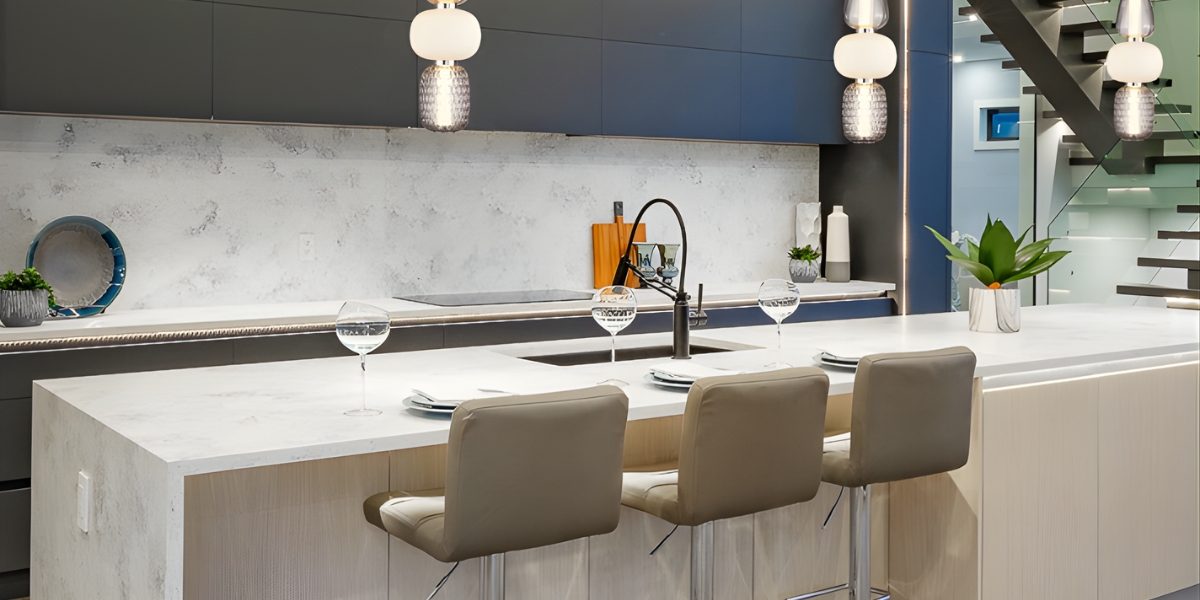

Modern kitchen lighting design focuses on flexibility, layered illumination, and fixtures that define space, especially in apartments and open-plan homes. Design experts emphasize that thoughtful lighting updates, including pendants, task lighting, and adjustable controls, can help improve both functionality and ambiance without major renovation. According to lighting designers at Artcraft Lighting, kitchens now require lighting that adapts to multiple daily uses while maintaining a cohesive visual identity. This creates a welcoming atmosphere that enhances both the aesthetic and practical value of your kitchen.
Five Lighting Design Updates That Can Transform a Modern Kitchen
“Design experts point to a small number of lighting principles that consistently help improve how kitchens function and feel.” In contemporary homes, particularly apartments and urban residences, the kitchen has evolved into a multi-functional space used for cooking, working, and socializing. As open-plan layouts become more common, lighting plays a central role in shaping how kitchens function and how they feel throughout the day. Design professionals increasingly note that kitchen lighting is no longer decorative alone; it is a structural design element that influences usability, comfort, and long-term appeal. This shift towards practical, flexible lighting is key to making spaces more efficient and enjoyable to use.
1. Flexible Lighting Controls Can Improve Everyday Functionality
Flexible lighting controls allow homeowners to adjust ambient, task, and accent lighting to suit different activities throughout the day. Modern kitchens are rarely used for a single purpose. Flexible control systems, such as dimmers, zoned switches, or smart lighting platforms, offer bright illumination for food preparation and softer lighting for dining or evening use. In apartment kitchens, where space must perform multiple roles, this adaptability is especially valuable. With the right controls, lighting can change the mood instantly, making it perfect for everything from casual family meals to sophisticated dinner parties.
2. Pendant Lighting Helps Define Kitchen Zones
Pendant lighting is used in kitchens to visually define key areas, such as islands or dining zones, without the need for physical dividers. Pendant fixtures continue to be a core design tool in open-plan kitchens. Positioned above islands or counters, they establish visual boundaries while adding architectural interest. Designers recommend careful attention to scale and placement to help ensure pendants enhance, rather than dominate, smaller apartment kitchens.
3. Task Lighting Can Enhance Safety and Precision
Task lighting provides focused illumination for specific kitchen activities, such as food preparation, cleaning, and cooking. Under-cabinet lighting is one of the most effective task lighting solutions, directing light exactly where it is needed. LED technology has become the preferred option due to its efficiency, longevity, and minimal visual intrusion. Proper placement, typically near the front edge of cabinets, helps reduce shadows and improve day-to-day usability.
4. Balancing Natural and Artificial Light Can Create Visual Comfort
Balanced kitchen lighting coordinates artificial light sources with available daylight to maintain consistent visual comfort throughout the day. Rather than overpowering natural light, contemporary kitchen design integrates artificial lighting that complements daylight as conditions change. In apartments, this may involve layered lighting, reflective finishes, or layout adjustments that allow daylight to work in harmony with electric light.
5. Thoughtful Fixture Design Adds Visual Warmth
Lighting fixtures contribute to kitchen design by adding warmth, texture, and visual continuity through their form, material, and finish. Fixtures are increasingly treated as integral design elements rather than background utilities. According to lighting designers at Artcraft Lighting, homeowners are gravitating toward fixtures that balance timeless silhouettes with contemporary detailing, enabling kitchens to feel current without becoming trend-dependent.
Lighting as a Foundational Design Element
As kitchens continue to function as central living spaces, lighting decisions are increasingly viewed as long-term design investments. Well-planned lighting supports daily routines, adapts to changing lifestyles, and can enhance the perceived quality of a home, particularly in space-constrained urban environments.