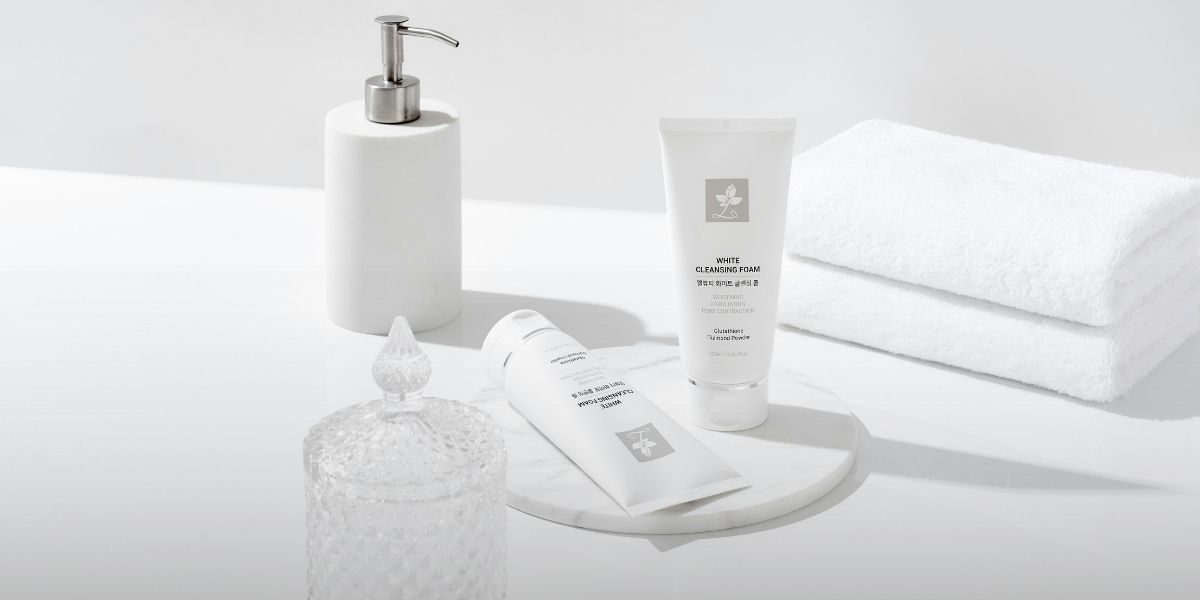

The wellness sector is constantly evolving, and it’s easy to feel lost amongst the breadth of claims and flashy packaging overwhelming the industry. Despite this, choosing the right products to suit your health goals and lifestyle in 2026 doesn’t have to be confusing. With a bit of research, it’s certainly possible to build a simple routine that actually supports your wellbeing. And what’s even better is that we’ve already done that hard part for you.
The key is to ignore trends and focus on what actually fits your lifestyle, health needs, and budget. So, if you want to make smarter purchases in 2026, read on for a closer look at what to buy and what to skip.
Defining What You Need
It’s easy to get drawn into buying things because they look appealing or promise significant results. But before choosing any wellness product, think about what you genuinely need to add to your lifestyle or routine. Whether you’re trying to sleep better, drink more water, improve your skin, or reduce stress, each goal requires a different approach.
Many people have fallen victim to buying products that don’t suit their routines. A new supplement won’t help if you forget to take it, and a fancy water bottle only works if you actually carry it with you. Being honest about your habits makes it easier to make smarter choices. For example, if you want to drink more water and savour clean, crisp flavours, buying your water from a premium brand, such as VOSS water, could be an easy way to encourage better habits. Start small, stay consistent, and build from there.
Ingredients Over Claims
Marketing language is sometimes purposefully misleading. Claims like “boosts energy” or “supports immunity” often sound impressive but can mean very little with context. Instead of relying on marketing promises, focus on the product’s ingredient list. Fewer ingredients usually mean fewer fillers and, therefore, better quality. Look for ingredients you genuinely recognise, understand, and value.
For skincare, simple formulations with clear active ingredients are most reliable. For supplements, check whether the product provides a beneficial dosage rather than a tiny amount that won’t make a difference. Understanding ingredients doesn’t require expert knowledge; even learning the basics can help you avoid unnecessary spending. A product’s function matters more than its branding.
Longevity Over Trends
Every year brings brand-new wellness trends, many of which don’t last more than a month. In 2026, expect to see new health and wellbeing products marketed to you as innovative or groundbreaking, but remember that, whilst some of them may be useful, many lack actual substance. Instead of chasing trends, look for items that offer long-term value. From durable tools and equipment to simple skincare, less flashy but higher-quality items are always a better investment than products that merely follow a trend.
Consider how often you’ll actually use the product you’re considering buying, and whether it will still matter to you in six months. Trends usually create pressure to keep up, a prevalent but dangerous trap, as it leads to overspending and overconsumption, which, in turn, harms the environment and the circular economy. Slowing down and separating yourself from this pressure helps you to make smarter decisions. Wellness should feel manageable, not overwhelming. Long-lasting products are almost always better for your routine and your wallet.
Focus on Daily Habits
The basics often make the most significant difference. Sleep, hydration, movement, and balanced meals will always be the foundation of wellbeing; no magic product or potion can replace those habits. Wellness items that support those core habits and daily routines are more valuable than expensive extras you use irregularly.
Think about what genuinely supports your daily life. A simple journal, a reliable water bottle, a comfortable yoga mat, or vitamins often yield more benefit than expensive gadgets. Spending money on items that fit into your actual routine will also prevent clutter and frustration from accumulating. The key to buying wellness products is to make your health and wellness regimen easier and less complicated, helping you live a healthier, happier life.
Disclaimer: The information provided in this article is for general informational purposes only and is not intended as medical advice. Always consult with a healthcare professional before making changes to your wellness routine or purchasing new products. Individual results may vary, and the effectiveness of wellness products can differ from person to person.