
By: Blake Daniels
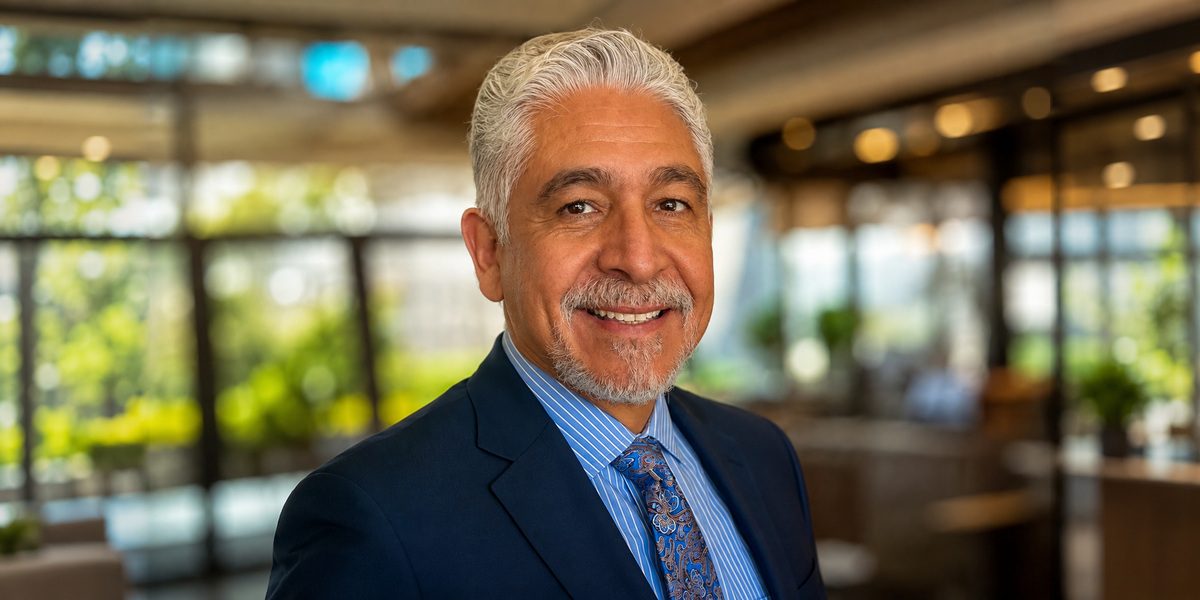
Javier Guzman’s memoir, Riptide: Cartels, Cocaine, and an Undercover Cop’s Fall from Grace, follows a career that began with ambition, accelerated through high-risk police work, and ended in a public collapse.
Guzman was born in Puerto Rico and later grew up in the South Bronx, where poverty, crime, and the constant presence of law enforcement shaped his view of the world. He admired an uncle who served as a Puerto Rican State Police officer and also trained with two police officers who worked as boxing coaches.
“Being street-smart and bilingual were necessary assets to survive in that atmosphere and later transferred very well into police work,” Guzman said.
His path to the badge was not direct. A high school guidance counselor discouraged him from pursuing a career with the FBI. Years later in Florida, he answered a Tampa police recruiting advertisement. He began as a uniformed officer and expected to remain there, but after two years he was transferred to vice.
Plainclothes assignments put Guzman into street-level drug and prostitution investigations. He proved effective, earned a promotion to detective, and moved into larger narcotics cases. His Spanish fluency, cultural familiarity, and confidence made him valuable to federal investigators. Eventually, the Tampa Police Department assigned him to a DEA task force, where he was the only Hispanic agent in the office.
“Riptide traces my rapid rise from a rookie cop in Tampa in the mid-1980s to an undercover vice officer and, by 1991, a detective on loan to the DEA,” Guzman said.
His undercover role required him to appear convincing to cartel operatives and money launderers. During an investigation tied to the Cali Cartel, he traveled repeatedly to New York, Los Angeles, Houston, Miami, and San Juan, collecting millions of dollars in drug proceeds packed in duffel bags.
Success, however, came with a psychological cost. Guzman spent long periods with targets, informants, and their families. The people he was expected to deceive began to feel less like case subjects and more like friends or relatives. He recalls crying when one target was arrested and telling his wife, Elizabeth, that he wanted to stop.
“I had become too close to the target, and when it came time to arrest him, it was like watching a favorite uncle go down,” Guzman said.
He did not leave. As Operation PROMO became more dangerous and complicated, the pressure intensified. Guzman went absent without leave after being ordered to return to uniform duty during the expected Rodney King unrest. He feared that being seen in uniform could compromise the undercover investigation. A police psychologist initially recommended that he be removed from the operation, but he eventually returned.
Guzman now sees those moments as warnings he failed to follow. He ultimately accepted money from cartel associates, an act that destroyed his career and led to prison. He estimates the amount at $20,000 to $25,000 and insists his actions were not driven by greed. He stopped accepting payments and says guilt led him to give some of the money to homeless people.
“Ultimately, the responsibility is all on me,” Guzman said. “I made the decisions that landed me in prison, and I own that.”
That ownership is central to Riptide. The memoir does not separate the excitement of police work from the consequences of compromised judgment, asking readers to hold both realities at once. Guzman does not present himself only as a victim of pressure, inadequate oversight, or institutional mistakes. He acknowledges those forces while emphasizing that he crossed the line. The memoir asks readers to consider how identity, loyalty, danger, pride, and emotional isolation can change judgment over time.
Guzman began writing in prison for therapeutic reasons. After his release, he worried that publication could disrupt his family’s life. A later invitation to speak at a law enforcement conference in San Diego convinced him that sharing the story might help officers recognize warning signs before a crisis becomes irreversible.
“I truly hope that my readers see that our failures in life don’t have to define us,” Guzman said.
Riptide is therefore more than a crime memoir. It is a candid account of professional achievement, moral failure, and the possibility of redemption. Guzman’s fall was public, but his effort to rebuild was quieter: working, starting a business, serving his community, attending church, and becoming a pastor for five years. His story does not erase the betrayal of the badge. Instead, it asks whether accountability and sustained change can create a meaningful life after failure.
Riptide is available on Amazon.