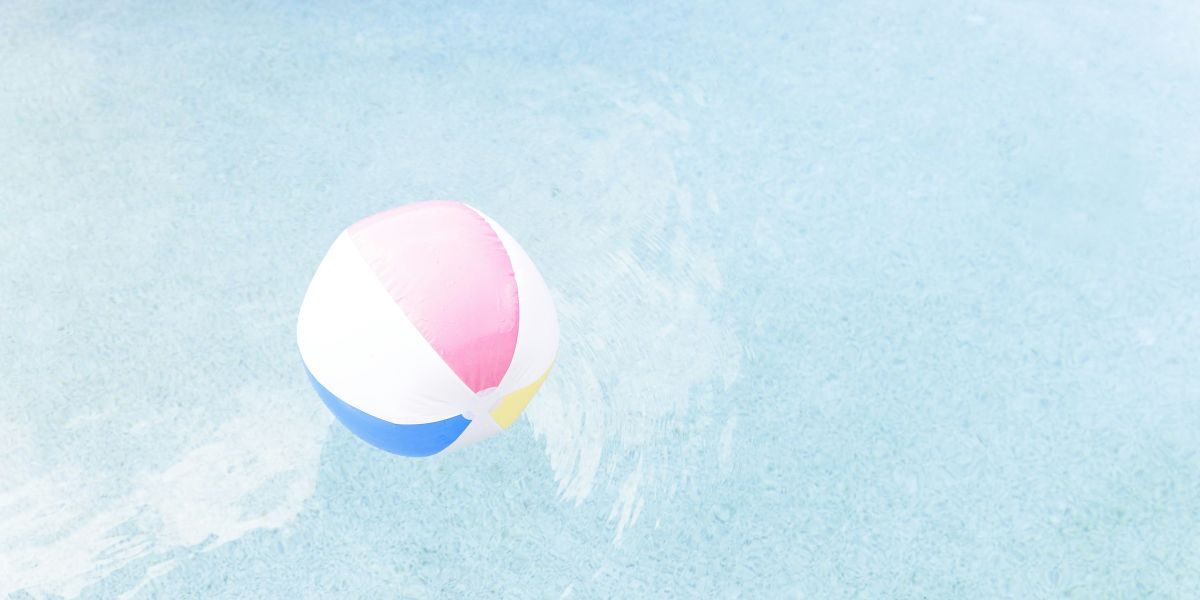

Branded beach balls can transform a hotel’s guest experience and boost brand visibility in a fun, memorable way. These colorful giveaways appear at pools, beaches, and family events, where guests naturally share photos and create lasting memories. However, hotels need to consider several important factors before placing an order to achieve the best value and results.
The right branded beach balls depend on your hotel’s budget, guest demographics, design preferences, and how you plan to distribute them. Hotels that rush into orders without considering size options, material quality, minimum quantities, and imprint locations often end up with products that don’t match their needs. A beach resort might benefit from custom printed giant beach balls that stand out by the pool, while a boutique hotel might prefer smaller sizes for guest welcome packages.
Thoughtful planning helps hotels avoid common mistakes like ordering too few items, choosing poor-quality materials, or selecting designs that don’t photograph well. The goal is to create promotional products that guests actually want to use and that represent your hotel brand in the best possible way.
Key Takeaways
- Budget and quantity requirements affect both unit cost and customization options for branded beach balls
- Material choice and size selection should match your hotel’s specific guest activities and distribution plans
- Strong design with clear branding turns beach balls into effective marketing tools that guests enjoy using
Key Factors to Evaluate Before Ordering Branded Beach Balls
Hotels need to consider several factors before they order promotional beach balls. The right choices ensure the beach balls match the hotel’s brand and work well for guests.
Purpose and Audience Alignment
Hotels must define why they want custom beach balls before they order them. Some properties use them as pool amenities for guests to borrow and play with during their stay. Others distribute them as promotional items at events or trade shows. Beach balls also work well as welcome gifts in guest rooms or as part of summer vacation packages.
The target audience affects every decision about the beach balls. Family-oriented resorts benefit from colorful, playful designs that appeal to children and parents. Luxury hotels might prefer sleek, sophisticated styles that match their upscale brand image. Adult-only properties can select designs that fit their more mature atmosphere.
Guest demographics also matter for this decision. A resort that hosts mostly families with young children needs different beach balls than a boutique hotel that attracts couples. The beach balls should reflect what guests expect from their stay. Properties that serve international visitors might consider simple logo designs that work across different cultures and languages.
Customization and Branding Options
Logo placement requires careful thought. The hotel’s logo needs to appear clearly on multiple panels of the beach ball so it remains visible as the ball moves and rotates. Bold, simple logos print better than complex designs with many details or small text.
Color selection should match the hotel’s existing brand colors. However, bright colors often work better for beach balls because they stand out at pools and beaches. Hotels can choose between full-color printing or simpler one- or two-color designs based on their budget and brand needs.
Text on personalized beach balls should stay minimal. A hotel name or website address works better than long messages that become hard to read on a curved, moving surface. Some properties add fun phrases or taglines that fit their brand personality. The print quality must remain sharp and durable so the branding lasts through repeated use in water and sun.
Selecting Beach Ball Types and Sizes
Beach ball sizes range from small 6-inch versions to jumbo beach balls that reach 48 inches or larger. Standard 16-inch classic beach balls work well for most hotel pools because they’re easy to store and suitable for all ages. Larger 24-inch options create more visual impact and work better for promotional events where visibility matters.
Hotels should order custom inflatable beach balls in quantities that match their needs. Resorts with large pool areas need more beach balls than smaller properties. Extra inventory helps replace lost or damaged items throughout the season.
Some hotels choose specialty shapes instead of traditional round beach balls. These unique options attract more attention but cost more and might be harder to store. The choice depends on whether the hotel values novelty over practicality. Properties should also consider how many beach balls they can store when deflated and how staff will inflate them.
Understanding Material and Print Quality
Most printed beach balls use PVC or vinyl materials. Thicker materials last longer but cost more per unit. Hotels that plan to reuse beach balls across multiple seasons should invest in higher-quality materials that resist punctures and fading. Properties that treat them as disposable giveaways can use thinner, less expensive options.
The printing method affects how well the logo holds up. Screen printing generally lasts longer than digital printing, especially for items that get heavy use in chlorinated water and direct sunlight. Hotels should ask suppliers about the expected lifespan of the print quality under typical use conditions.
Safety matters for hotels because guests of all ages use beach balls. Quality materials should be free from harmful chemicals and have smooth seams that won’t scratch or cut users. The valve system needs to hold air reliably without leaking but also allow for easy inflation and deflation by hotel staff.
Logistics, Budget, and Maximizing Marketing Impact
Smart planning around costs, timelines, and storage helps hotels get the most value from their promotional beach ball orders. These three factors work together to determine both the success of the marketing effort and the return on investment.
Ordering in Bulk and Cost Considerations
Beach balls in bulk offer significant per-unit savings compared to small orders. Most suppliers offer 30-50% discounts on orders of 500 units or more. Hotels should calculate seasonal demand across all properties to determine the optimal order size.
Custom beach balls require setup fees for artwork and printing. These one-time costs typically range from $50 to $150. Larger orders spread these fees across more units, which lowers the cost per ball. A hotel that orders 1,000 branded beach balls might pay $2.50 each, while an order of 250 units could cost $4.00 per ball.
Material quality affects price and brand perception. Basic PVC beach balls start around $1.50 in bulk, while premium options with better print quality and durability run $3.00 to $5.00 each. Hotels need to balance cost savings against how guests will perceive the quality of the promotional item.
Shipping costs add another layer to budget calculations. Bulk orders reduce per-unit shipping expenses, but the total freight charge increases with volume. Hotels should request quotes that include delivery to compare true total costs.
Lead Times and Delivery Planning
Custom beach balls require 3-6 weeks from order approval to delivery. Production time varies based on design complexity, order size, and supplier capacity. Peak season orders take longer as manufacturers handle increased demand.
Hotels must work backward from their distribution date to place orders on time. A property that wants branded beach balls ready for Memorial Day weekend should submit final artwork by mid-April. Rush orders cost 20-40% more and still need 1-2 weeks minimum.
Artwork approval adds time to the process. Suppliers send digital proofs for review, and revisions can add 3-5 days per round. Hotels should finalize logos and design elements before they request quotes to speed up production.
International suppliers offer lower prices but extend lead times by 2-4 weeks for overseas shipping. Domestic manufacturers cost more but provide faster turnaround and easier communication for changes or issues.
Practicality of Storage and Distribution
Deflated beach balls take up minimal space, which makes them easy to store. A case of 250 deflated 16-inch beach balls fits in about 2 cubic feet. Hotels can stock promotional items in standard supply closets without special storage requirements.
Distribution methods affect how staff interacts with guests. Front desk handouts during check-in create immediate positive impressions. Pool attendants can distribute beach balls throughout the day, which spreads out the marketing impact. Some hotels place them in rooms as welcome gifts.
Staff training helps maintain brand consistency. Employees should know how to inflate beach balls properly and understand the marketing message behind them. A quick 10-minute briefing ensures everyone represents the brand well.
Seasonal timing matters for distribution strategy. Hotels in year-round warm climates can use beach balls continuously, while seasonal properties should concentrate distribution during peak months. Leftover inventory stores easily for the next season since deflated beach balls have a shelf life of several years.
Conclusion
Branded beach balls can serve as a memorable addition to a hotel’s guest experience. They offer practical value at pools and beaches while also promoting the hotel’s brand in a fun and visible way.
Hotels should evaluate their budgets, design preferences, and quantity requirements before placing an order. The right supplier can provide quality products that align with the hotel’s image and appeal to guests of all ages.
These promotional items create opportunities for guests to interact with the brand in a relaxed setting. Beach balls stand out as both a valuable amenity and a simple way to keep the hotel’s name in front of current and future guests.