
The high-quality sound can make or break any creative project. To create music, album podcasts, or video, you must have professional sound. Whether you spend your days listening or watching, good sound just can’t be faked by inferior systems. But neither can a single mistake in the studio. You’ve got to combine skill and decent equipment for excellent audio.
The good news is that great sound, thanks to today’s modern know-how and products, is no longer the exclusive domain of large studios- it’s available right from home. Here are essential audio production tips to help you produce fresh, balanced, professional-quality sound.
Start with the Right Equipment
Quality mics cater to people’s varying conditions — condenser mics are ideal for singing and acoustic instruments, while dynamic mics are better suited to loud sources like drums or amplifiers. Making digital audio recordings only works if you have a clean signal, good track-level sound, and skilled musicians. The crucial factor is a good audio interface.
Near-field monitors are essential for tracking down to the last detail, making sure that what you hear is really what’s out there and not an artifact of the system. Good studio headphones will help you hear precisely what your microphone can capture. Quality gear minimizes the noise you don’t want and helps ensure accurate sound capture, saving time later during post-recording.
Treat Your Space Acoustically
No matter how good your equipment is, raising the ceiling to make more headspace cannot improve poor acoustics. If recording at home, concentrate on soundproofing and acoustic treatment.
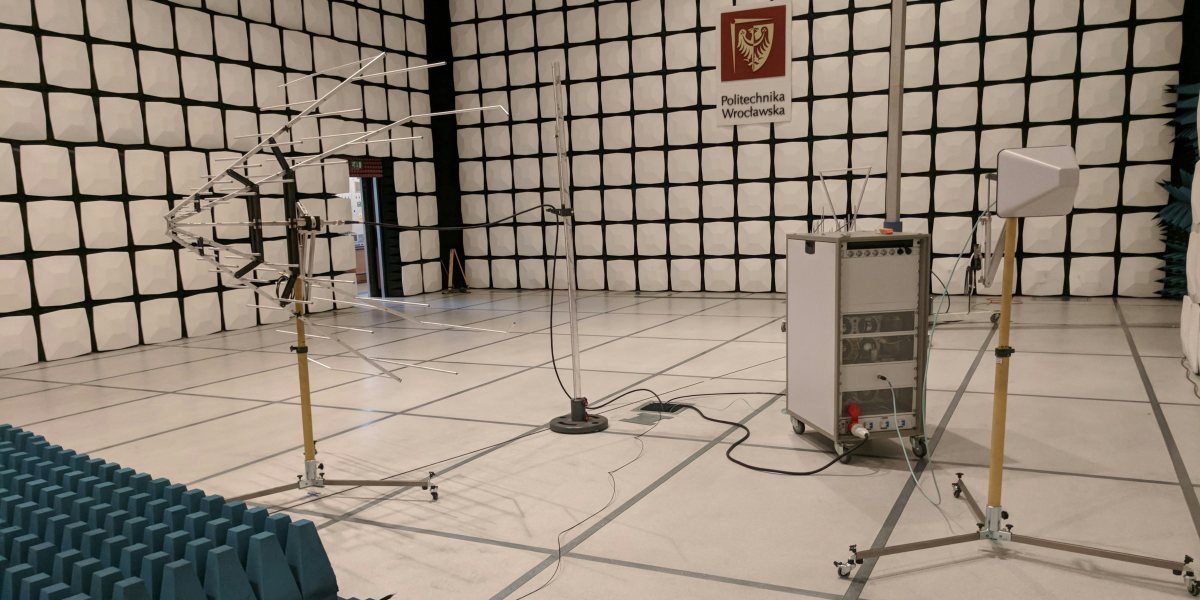
Diffusion or absorbing materials—such as foam panels, diffusers, and heavy curtains—should be used to soften these reflections and reduce echo. Do not select rooms that have hard surfaces or large windows. A room that is correctly treated will provide clean recordings and accurately reproduce sound, giving you the confidence to mix without unpleasant surprises and a level playing field for your productions everywhere.
Master the Art of Gain Staging
You must set the appropriate gain staging to make it sound professional.
When mixing, make sure the balance of each track is just right and that no element overwhelms the others—keeping the mix clear, avoiding clipping, and allowing headroom for mastering your final mix. Maintaining consistent track levels throughout your session is a product of sound engineering.
Use Equalization and Compression Wisely
The powers of EQ and compression are magnificent indeed, but it’s possible to ruin the unadorned sound of a musical track by playing around too much. Use EQ to eliminate any unwanted but audible frequencies and enhance clarity in vocals and instruments. To keep in line with the rest of a musical arrangement, your busy drawing or painting is yours alone.
Compression stops dynamics getting out of control, so if sounds drop down, softer, they are still audible in a mix without being totally drowned out by the rest. Subtle adjustments will make a big difference. The goal is not an artificial perfection but to balance and polish it instead.
Layering and Panning for Depth
Creating professional-quality sound entails adding dimension. Layer instruments or sound effects to fill out the mix, and use panning to place elements across the stereo field.
This way bestows depth and space on your production, making its effect more enveloping. However, be sure to check the mono mix. This is an absolute must when it’s rolled back to play through headphones and other smaller speakers.
Mix Reference and Master with Care
It’s a good idea to compare your audio mix with professional reference tracks in the same genre. In this way, you’ll have an opportunity to determine whether it is coherent and how far off its sound levels are from its raw recording.
Apply a bit of light EQ, multiband compression, and limiting during mastering. The aim is to ensure your mix sounds smooth and well-balanced across all playback systems.
Perfecting Your Sound
Achieving a professional-quality sound takes patience and attention to detail in practice. If you invest in the right gear, prepare your space well, and master a few essential mixing techniques, your audio can meet industry standards, too.
Whether you’re making music or publishing podcasts, these sound recording tips will help you be seen as the expert.