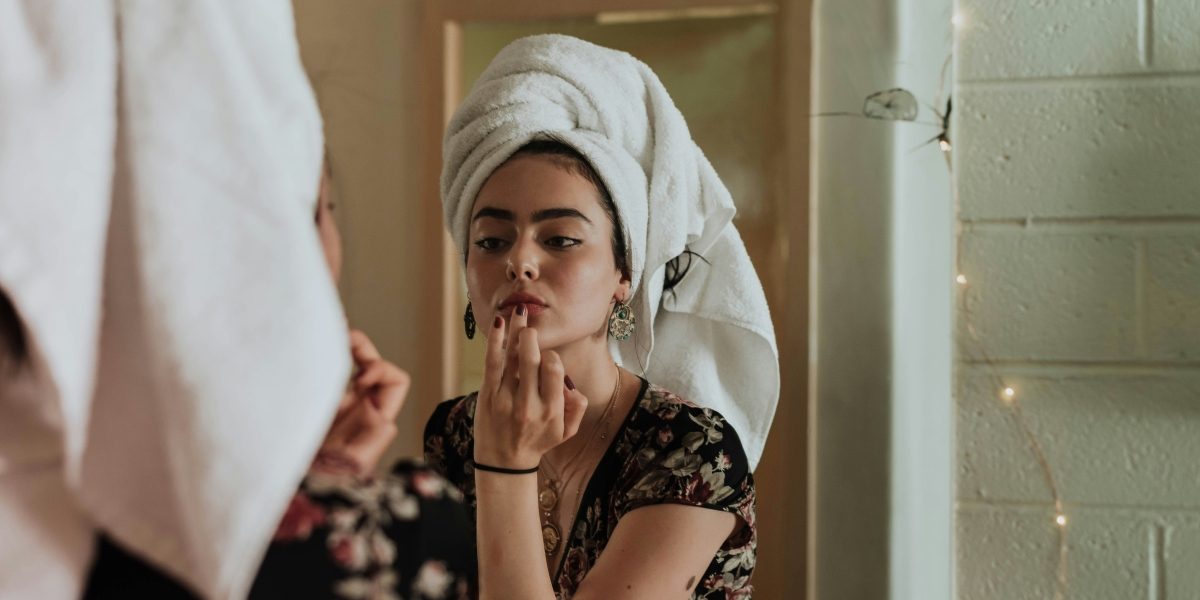

There’s a reason why Korean beauty routines have been praised internationally: they work. With an emphasis on care, consistency, and the combination of old and new techniques, rituals provide you with all the tools you need to achieve healthy skin that glows from within.
If you’ve ever wondered why K-beauty converts have enviably glistening skin, here are six secrets to how they’re doing it.
1. Double Cleansing for Deep Purity
In a Korean skincare routine, the first step is double cleansing, designed to remove all traces of oil and dirt. The first cleanse is an oil-based cleanser that dissolves makeup and sebum, but it should be followed by a second cleanse with water to remove any remaining impurities.
You will receive a thorough cleansing with this method, but it will not remove all of the moisture from your skin. The result? Your nourishing products will be able to function more efficiently as a result of the smooth and firm base that they bring about.
2. Gentle Exfoliation for Smooth Texture
Korean beauty says to be gentle, but exfoliation can keep your skin soft and smooth. Instead of using harsh scrubs, opt for mild chemical exfoliants. Components such as alpha hydroxy acids (AHAs) and beta hydroxy acids (BHAs) can remove dead skin cells without resistance.
Exfoliating your face regularly, gently, makes it easier to remove dead skin. This not only makes it appear dull, but it also prevents serums and moisturisers from being absorbed. To maintain that youthful and radiant glow, this is a small but significant step.
3. The Magic of Essence
Essences are an essential component of the Korean beauty routine, used between the toner and serum steps. It is designed to improve the absorption of what you put on next while also increasing the rate at which cells renew themselves. This product is lightweight but extremely hydrating.
Once patted into the skin, a few drops of essence can help boost elasticity and radiance over time. It is an excellent moisture magnet, keeping your face plump and taut all day.
4. Sheet Masks as a Self-Care Ritual
Sheet masks are not only a beauty trend—they’re a moment of relaxation. Filled with hydrating ingredients like hyaluronic acid and green tea, they’ll drench your skin with much-needed hydration in just 15 minutes.
Applying them regularly, 2 to 3 times per week, will keep your skin smooth and moisturised. It’s a fast, simple ritual that’s indulgent without being impractical.
5. Sunscreen as the Ultimate Defence
No skincare routine is complete without it. Korean skincare is focused on daily SPF, rain or shine. One of the primary causes of premature ageing and pigmentation is UV rays.
Because Korean sunscreens are so light, they go on smoothly and feel comfortable for daily use. Sunscreen prevents that glow from ever fading, keeping your skin youthful and fresh for years to come.
6. Quality Products and Consistency
The last secret is commitment to serious formulations and daily use. By using trusted Korean skincare products for sensitive skin, your skin will be filled with nothing but balance and hydration due to the gentle yet effective ingredients.
The real benefit is to stick to a routine. Even on busy days, a little care can keep your skin healthy, strong, and glowing in the long term.
Glow From Within
Radiant skin isn’t about absolute perfection; it’s about maintaining a routine, staying hydrated, and practicing small acts of self-care. Korean skincare teaches you to take your time, show your skin compassion, and be purposeful with every step.
Disclaimer: The information provided in this article is for general informational purposes only and is not intended as medical advice. Please consult with a dermatologist or skincare professional before making any changes to your skincare routine, especially if you have specific skin conditions or concerns.