
Brownstones have shaped the character of New York City since the mid-1800s, their carved façades, tall stoops, and warm sandstone defining neighborhoods like Brooklyn Heights, Park Slope, and Harlem. Some nearby New Jersey areas from the same era echo the same architectural style, though on a smaller scale. Regardless of where they stand, one thing is certain: renovating these homes is far more complex than it appears.
Homeowners often fall in love with the charm but underestimate what it takes to modernize a structure that has endured more than a century of use, repairs, and hidden alterations. Here are the mistakes people still make when remodeling a brownstone and how to avoid them.
Underestimating the Hidden Structural Issues
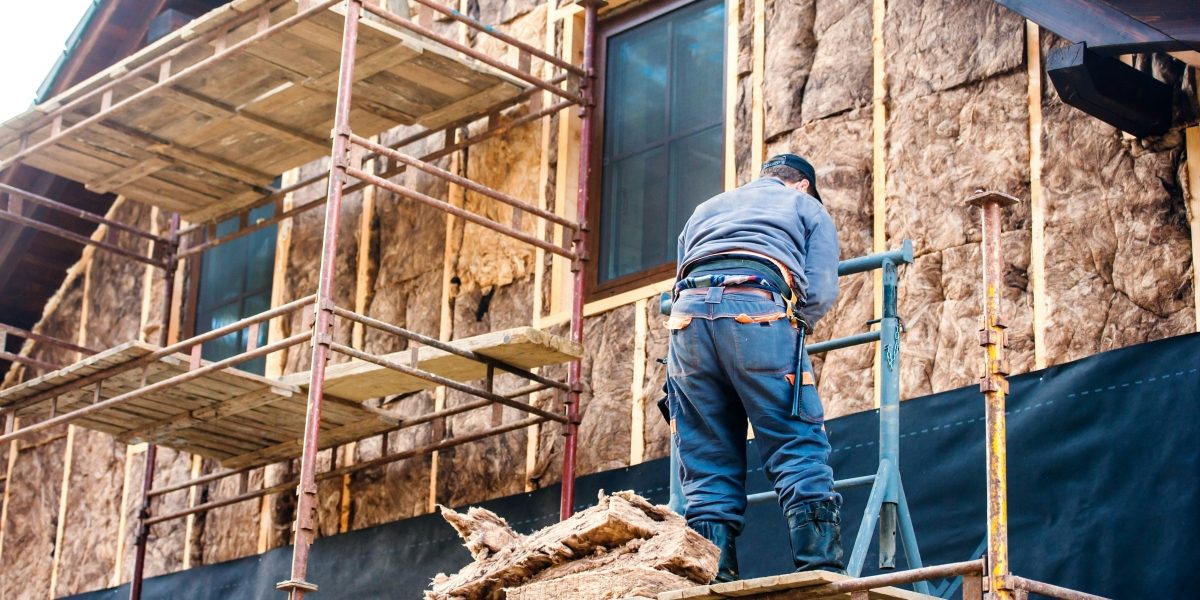
Brownstones are old, and once floors or walls are opened, surprises are common. One of the leading general contractors that New Jersey homeowners turn to for brownstone renovation work reports that many renovation projects in Hoboken, Jersey City, and Brooklyn often reveal issues only after demolition has begun. Cracked or undersized beams, old framing repairs, and hidden mechanical paths were among the frequent discoveries. It’s a reminder that hidden conditions are the rule, not the exception, in homes this old.
Ignoring Historical Rules and Protected Details
Not every brownstone is landmarked, but many fall within historic districts or have protected exterior features. In New York City, this often means work must be reviewed by the Landmarks Preservation Commission (LPC), and in places like Jersey City and Hoboken, local preservation boards enforce similar requirements. These approvals are in addition to regular construction permits, and even straightforward exterior work, such as window replacements, façade repairs, repointing, or cornice restoration, may require review. Starting a project without confirming the building’s historic status can lead to delays, redesigns, or violations. Checking these requirements early keeps the renovation on track and prevents avoidable setbacks.
Trying to Modernize Everything at Once
The appeal of a brownstone is rooted in its original details: woodwork, fireplaces, stairs, moldings, and tall, narrow proportions. Removing these elements in an attempt to create a thoroughly modern interior often strips the home of its character. Many successful renovations aim to balance historic charm with contemporary updates, preserving the pieces that matter while improving comfort and function.
Overlooking Mechanical Planning
Modern HVAC systems, electrical loads, and plumbing needs didn’t exist when these homes were built. Adding these systems late in the design phase almost always causes disruptions. Ductwork, electrical upgrades, and plumbing stacks need to be planned early to avoid tearing into finished work later. Mechanical planning should be one of the first steps in the process.
Assuming Any Contractor Can Handle A Brownstone
Renovating a brownstone is different from working on newer properties or standard apartments. Uneven floors, fragile plaster, masonry quirks, and aged framing require specialized experience. A contractor unfamiliar with historic structures may unintentionally create more issues than they solve. Choosing a team with true brownstone experience is essential.
Ignoring Waterproofing and Exterior Conditions
Moisture is one of the biggest threats to brownstones. Old brick absorbs water differently; as a result, basements often require modern waterproofing, and façades require regular maintenance. Focusing on interior upgrades while neglecting the building envelope is a common and costly mistake. The exterior should always be secured before investing in new finishes inside.
A Smarter Way Forward
Brownstone remodeling succeeds when homeowners respect the age and complexity of the structure. With early planning, realistic expectations, and the right team, many brownstone homes can be updated for modern comfort while preserving their historical charm. Careful attention to both the building’s unique character and modern needs ensures a renovation that blends the old and new seamlessly, creating a timeless living space.