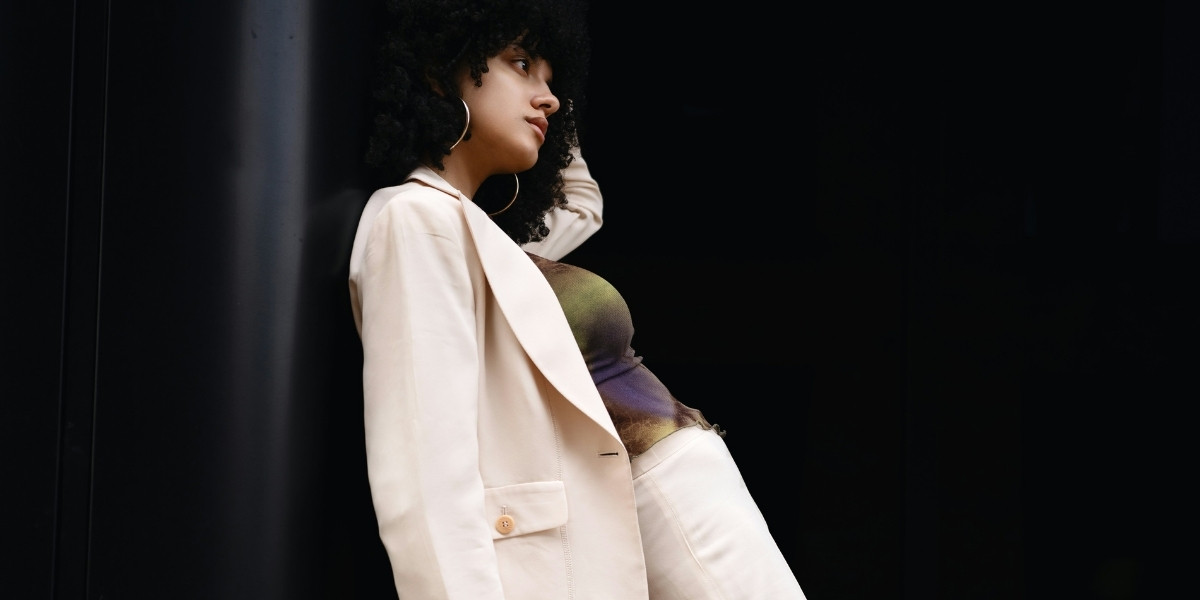

The fashion scene in New York City isn’t just thriving, it’s constantly redefining what style means on a global scale. From the runways of Manhattan to the creative studios tucked into Brooklyn lofts, NYC remains a magnet for designers, stylists, and tastemakers who influence what the world wears next. The city’s ability to blend heritage with experimentation keeps it at the forefront of fashion conversations everywhere.
Runways That Still Matter
New York Fashion Week continues to be one of the most anticipated events in the industry. It’s not just about the spectacle, it’s a showcase of ideas that ripple outward to influence retail, media, and street style across continents. Designers like Peter Do and brands such as Proenza Schouler use the city’s energy to push boundaries, often setting the tone for what becomes mainstream months later. These shows aren’t just for insiders, they’re cultural moments that shape how fashion is consumed and interpreted globally.
Even for those who feel disconnected from high fashion, the influence of these runway collections trickles down into everyday wear. Department stores, fast fashion retailers, and independent boutiques often draw inspiration from what’s debuted in New York, proving that the city’s fashion scene doesn’t just cater to elite circles, it informs the broader style ecosystem.
Streetwear, Luxury, and Everything In Between
NYC’s fashion scene has evolved from its luxury roots into a hybrid of high-end and streetwear influences. The shift isn’t accidental, it reflects the city’s diversity and its openness to self-expression. Walk through SoHo or Bushwick and you’ll see how vintage, designer, and DIY aesthetics coexist. This blend has helped New York maintain its edge, especially as younger consumers look for authenticity over labels.
The city’s fashion isn’t confined to one aesthetic. It’s a mix of tailored minimalism, bold maximalism, and everything in between. That fluidity allows designers and stylists to experiment without fear of being boxed in. It also means that trends born in New York often have a longer shelf life, they’re rooted in real-world wearability, not just runway theatrics.
Cultural Crossroads and Creative Energy
What makes NYC fashion so influential isn’t just the clothes, it’s the context. The city’s art, music, and social movements feed into its fashion DNA. Studios like Lauren Altman Studio, which is actively reimagining New York’s fashion scene, show how local creativity can spark broader conversations about sustainability, identity, and design. These spaces aren’t just producing garments, they’re shaping narratives that resonate far beyond the five boroughs.
Fashion in New York is often a response to what’s happening culturally. Whether it’s a shift in gender norms, a push for ethical production, or a celebration of heritage, designers here are plugged into the moment. That awareness gives their work a sense of urgency and relevance that’s hard to replicate elsewhere.
It’s also worth noting how fashion intersects with activism in NYC. From runway shows that spotlight marginalized voices to collections that raise awareness about climate impact, the city’s designers aren’t afraid to use their platforms for more than just aesthetics. That kind of engagement adds depth to the fashion scene and reinforces its global significance.
The Business Behind the Style
Fashion in NYC isn’t just artistic, it’s strategic. The city’s wholesale and manufacturing sectors play a major role in shaping what ends up in stores across the globe. From textiles to accessories, New York’s infrastructure supports a fast-moving industry that’s constantly adapting. Even niche markets like wholesale jewelry trends are influenced by the city’s fashion pulse, showing how style and commerce are tightly linked.
Behind every runway show and editorial spread is a network of buyers, merchandisers, and production teams who keep the industry running. NYC’s Garment District, while smaller than it once was, still serves as a hub for sampling, sourcing, and scaling. That proximity between creative and commercial forces allows for faster turnaround and more responsive design cycles.
The city’s fashion schools also contribute to its business ecosystem. Institutions like FIT and Parsons churn out graduates who are not only creatively gifted but also business-minded. Many go on to launch their own labels, consult for major brands, or innovate in areas like fashion tech and digital retail. That pipeline of talent ensures that NYC remains a breeding ground for both style and strategy.
Why NYC Still Leads
There’s a reason designers from Tokyo, Paris, and Milan keep an eye on what’s happening in New York. It’s not just the legacy, it’s the city’s ability to reinvent itself without losing its core. Whether it’s a new wave of gender-fluid fashion or the rise of tech-integrated textiles, NYC remains a place where ideas are tested, refined, and launched into the world.
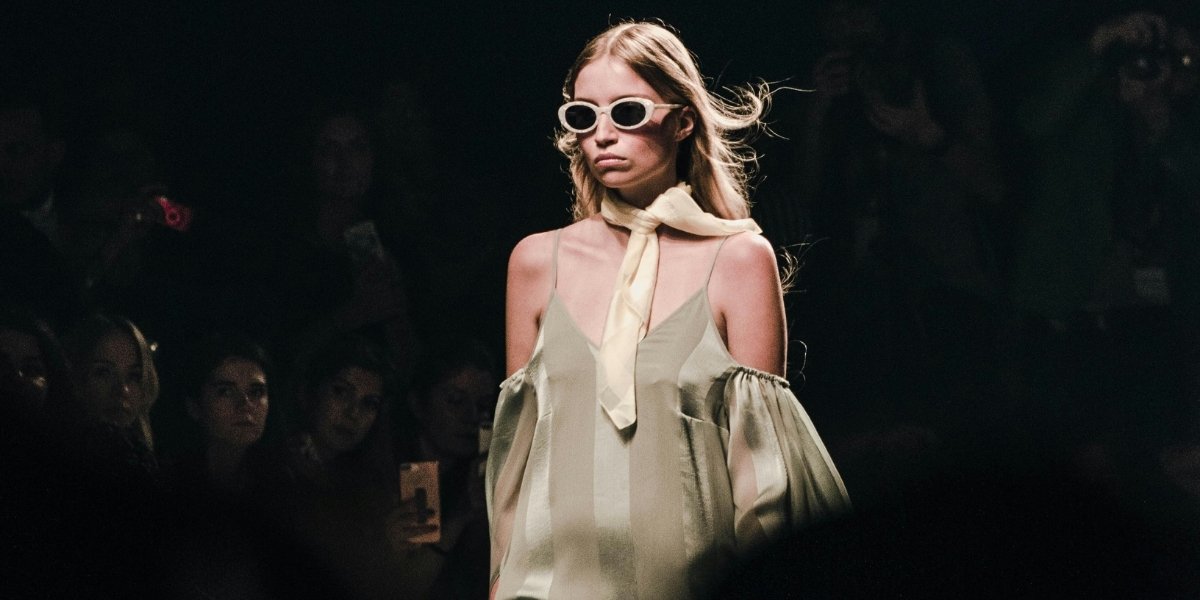
Photo Credit: Unsplash.com
The city’s fashion scene thrives on contradiction. It’s fast-paced but thoughtful, trend-driven but timeless, competitive but collaborative. That balance allows it to stay relevant even as consumer behavior shifts and global markets evolve. For designers, stylists, and retailers, New York offers both inspiration and clarity.
It’s also a city that understands frustration. Breaking into fashion here isn’t easy, and staying relevant is even harder. But that pressure breeds innovation. Many creatives find their voice in the struggle, turning limitations into strengths. That grit is part of what makes NYC fashion so compelling, it’s not just about beauty, it’s about resilience.
Whether it’s a capsule collection born in a Brooklyn studio or a global campaign shot in Times Square, the fashion scene in NYC continues to set trends that resonate far beyond its borders. It’s not just a city, it’s a style engine, and it’s not slowing down anytime soon.