
By: Arthur Brown
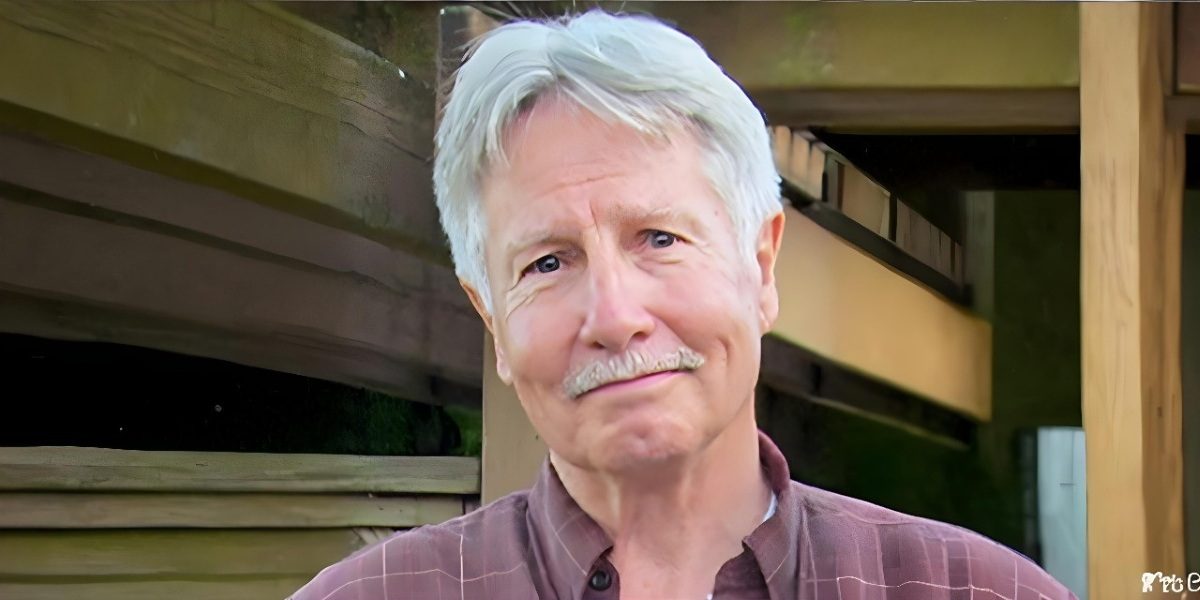
In Start to Finish: A Life Well-Lived, Dr. Lutz draws on his decades of experience as a Psychologist, Educator, and Behavioral Medicine Specialist. His book offers insights into how our core needs were shaped over millennia of living in small, cohesive groups as hunter-gatherers, and how these needs continue to play a role in the pursuit of a full life. His message highlights the idea that across all cultures, people are united by a core desire for connection, purpose, and well-being, and suggests ways to increase the likelihood of achieving a meaningful life, regardless of where we begin.
Lutz doesn’t shy away from pointing out that “where we start” is highly variable. He acknowledges that the pursuit of a good life doesn’t rest on a level playing field, making our choices and efforts even more significant.
“Factors outside our control, including the circumstances we’re born into, can have a fundamental impact on how life unfolds. Some children are fortunate to receive the help and encouragement they need to succeed in school and life. Others with similar needs might not have the same opportunities.”
With honesty and compassion, Lutz describes how people generally gravitate toward where their interests, abilities, and opportunities lie, choosing the best available option and creating a path forward to a good, fulfilling life for everyone, provided opportunity exists and is paired with effort.
His writing is like a thoughtful conversation, with relatable descriptions and practical advice. In describing how to reduce self-defeating behaviors, Lutz uses easily relatable examples, such as explaining how emotional processing influences our decisions… like wanting to eat healthy, but craving pizza rather than vegetables in the moment.
Dr. Lutz provides “how-to” steps to navigate life’s challenges and increase the odds in our favor, covering stress management, emotional regulation, positive thinking, effective communication, mental health, and ending with the potentially significant impact of our lifestyle choices for our long-term health and well-being.
In reviewing causes of death and disability, Lutz notes that since the development of antibiotics and vaccines, infectious diseases are no longer a leading cause of death. People now live a lot longer on average, resulting in more wear and tear on our bodies. As a consequence, degenerative diseases like cancer and heart disease, which are largely influenced by lifestyle, have become leading causes of death.
Lutz points out that genetic predispositions for degenerative diseases can often be mitigated by making healthier lifestyle choices. In clear terms, Lutz describes how lifestyle and genetics interact, and provides actionable steps anyone can take to increase their chances for healthier, longer, and more fulfilling life.
“Nature may load the gun, but whether or not the trigger is pulled often depends on the lifestyle choices we make.”
His book ends with a heartfelt review of the vast variability in how people age. Lutz doesn’t shy away from describing harsh realities. Revealing his own strong family history of Alzheimer’s Disease, Lutz describes shortcomings in end-of-life care and makes a poignant case for the importance of expanding Advance Medical Directives to better address current limitations in end-of-life choices.
Why This Book Matters Now?
Inequality in our society is vast and growing. Lutz’s thoughtful review of the fundamental role of luck in how a life unfolds provides a more transparent framework for understanding success and the odds people face. He offers insights into the steps anyone can take to improve their odds, and advocates for society to provide a better safety net to help even the playing field and give more people the chance to get off to a promising and fair start.
People are living longer, but not necessarily better, with too many people spending their last years debilitated and suffering. Lutz provides clear, science-backed advice to help anyone improve their odds for successful aging and overall well-being. In revealing the practical and emotional complexity of long-term care choices, he offers his personal thoughts on how advance medical directives can and should be expanded.
Disclaimer: The content in this article is for informational purposes only and reflects the author’s personal insights and perspectives. The ideas presented are not intended to serve as professional advice or recommendations. Individual circumstances may vary, and readers are encouraged to seek personalized guidance from a licensed professional or expert regarding health, lifestyle choices, or medical care. The views expressed in this article are those of the author and do not necessarily reflect the opinions of any affiliated organizations or entities.