
City living has its own rhythm, and your skin often pays the price for keeping up. Long commutes, late nights, polluted air, and the constant push to stay on top of everything can leave your face looking tired.
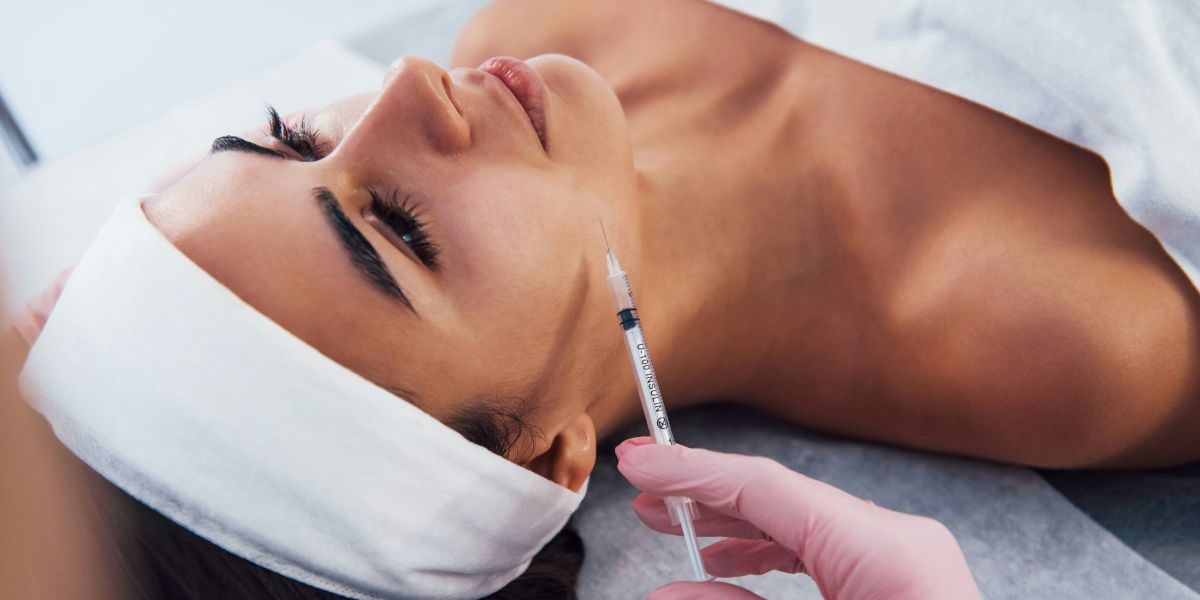
The funny thing is, polished skin has become less about covering flaws and more about restoring balance. You’ll hear people talk about serums, facials, lasers, and even injectable facial volume treatments as if they’re part of a regular lifestyle routine.
According to the American Academy of Dermatology (AAD), treatments like lasers and injectables should only be performed by licensed professionals, and results can vary by individual.
What once sounded clinical now feels like self-care, the same way you’d book a spin class or get a good haircut.
So, what does “beauty in the city” really look like today? Let’s break it down, from the everyday basics to the high-tech treatments shaping modern skincare.
The New Definition of Polished Skin
For years, polished skin meant one thing: makeup. A good foundation, a dusting of powder, maybe a concealer to hide what the city stole from your complexion. But the trend has shifted. People now chase skin that looks alive, hydrated, and natural. It’s less about perfection and more about radiance.
This new definition relies on supporting skin health instead of masking it. Hydration levels, skin barrier repair, and balanced tone matter more than the perfect matte finish.
The AAD highlights daily moisturizing and barrier repair as key factors for healthy skin across all ages.
Even social media reflects this shift. Influencers talk openly about skin cycling, retinol purges, or the downtime after a peel, which normalizes the process of real, sometimes imperfect skin care.
The Daily Urban Skincare Survival Kit
Life in a dense city makes a few essentials non-negotiable. Think of them as armor against stress, smog, and unpredictable weather swings.
- Cleanser with pollution defense: Many brands now add ingredients that neutralize free radicals caused by exhaust fumes and urban air.
- Hydrating mist or toner: A quick spray in the middle of the day keeps skin from drying out in air-conditioned offices.
- Vitamin C serum: This is the go-to for brightening dull city skin and protecting against oxidative stress. Dermatology sources such as the Mayo Clinic note that vitamin C is often used to improve the appearance of uneven skin tone and protect against free radical damage.
- Sunscreen every single day: Even if you’re mostly indoors, city windows don’t block UV rays the way people assume. The U.S. Food and Drug Administration (FDA) and Skin Cancer Foundation emphasize broad-spectrum sunscreen as the most important daily step in protecting against skin cancer and premature aging.”
- Lightweight moisturizer: Instead of heavy creams, urban skincare leans toward breathable hydration that won’t clog pores in sweaty subway rides.
Simple steps like these create a foundation. They don’t replace professional treatments, but they make sure your skin isn’t fighting an uphill battle every day.
Technology Meets Skincare
One of the biggest changes in beauty is how technology now sits at the heart of many treatments. The city is where you’ll find clinics offering the latest innovations first. A few popular ones:
- Laser facials: These smooth texture, even out pigmentation, and stimulate collagen. They’ve become almost as common as monthly facials in big cities. According to the Cleveland Clinic, laser treatments may help improve texture and pigmentation, though outcomes vary and multiple sessions are often needed.
- LED light therapy: Once reserved for dermatology offices, you can now see LED masks popping up in home routines. Blue light helps with acne, red light with collagen production.
- HydraFacial machines: These cleanse, exfoliate, and infuse hydration all in one go. They’re especially popular with people juggling events and meetings because there’s no downtime.
- Micro-needling with radiofrequency: A step up from classic micro-needling, this combines tiny controlled injuries with energy waves to trigger deeper skin healing.
What used to sound intimidating is now mainstream, partly because city dwellers want quick results that fit busy schedules.
Injectable Options for the Modern Professional
Not too long ago, injectables were whispered about. People worried they’d look frozen or overdone. That narrative has shifted. Today, treatments are framed as subtle enhancements that keep you looking rested, not radically altered.
Fillers can restore volume lost from stress, aging, or lack of sleep. The FDA has approved certain dermal fillers for use in the U.S., but regulations differ internationally. The Mayo Clinic notes that fillers carry risks such as bruising or swelling, and should always be administered by board-certified professionals.
Neuromodulators soften frown lines that form from constant screen time. And newer techniques emphasize micro-dosing and natural placement. The idea isn’t transformation. It’s preservation.
When someone shows up on Monday morning after a weekend treatment and simply looks “refreshed,” it speaks to how far these approaches have come. In a city where image often connects directly to confidence, injectables aren’t seen as vanity anymore but as part of maintaining presence and energy.
Wellness as the Missing Link
One surprising piece of the polished-skin puzzle is how closely beauty now ties to wellness. Skincare specialists talk about diet, hydration, sleep, and stress management as much as serums or procedures. It makes sense. City living throws your system off balance, and it shows first in your face.
Green juices, adaptogens, and even meditation apps are woven into skin consultations. Dermatologists suggest less sugar, nutritionists advise omega-rich foods, and facialists might ask about your sleep schedule. It’s holistic, not just topical.
Harvard Health Publishing reports that diets rich in omega-3 fatty acids and antioxidants may support healthier-looking skin.
This wellness link highlights an important truth: polished skin isn’t just about the surface. It’s about how well your body can handle the chaos of urban life.
The Social Element of Skincare
Another modern twist is how communal skincare has become. In many cities, friends book facials together, share product recommendations over brunch, or document their peel recovery on TikTok. There’s less shame about admitting you got help.
This openness creates a ripple effect. It educates others, sets realistic expectations, and makes advanced treatments feel approachable. Instead of hiding behind the phrase “just good genes,” people talk openly about retinoids, chemical exfoliants, or the fact they’ve tried injectables. The transparency builds trust.
Accessibility and Inclusivity
One of the biggest wins in the last decade is how much more inclusive skincare has become. For a long time, most treatments catered to lighter skin tones. Now, with better training and safer technology, options are opening for deeper tones and wider ranges of concerns.
The city often leads this progress because the population is diverse and demand is high. Clinics highlight their ability to treat all skin tones safely, while brands push campaigns showing real people instead of retouched perfection.
Organizations like the Skin of Color Society emphasize the importance of ensuring treatments are tested and safe for diverse skin types.
Inclusivity extends beyond skin tone too. Skincare products and treatments now speak to different age groups, genders, and lifestyles. Polished skin is no longer tied to a single demographic.
Balancing Act: Natural vs. Enhanced
There’s still an ongoing conversation about how much enhancement counts as “authentic.” Some people prefer all-natural routines, sticking to clean products and avoiding clinical interventions. Others fully embrace modern treatments. Most fall somewhere in between.
The balance often depends on values, budget, and comfort level. What matters most is that the choice feels personal, not pressured. In a city environment, where beauty standards can feel louder, carving out your own definition of polished skin is almost an act of self-care in itself.
The Future of Urban Beauty
Looking ahead, city beauty will likely blend tech, wellness, and personalization even more. AI-powered skin scans, DNA-based product formulations, and sustainable treatments are already emerging. Clinics may recommend routines as unique as fingerprints.
According to the American Academy of Dermatology, personalized skincare is an emerging field, but consumers should be cautious and look for evidence-based products.
There’s also a strong push toward sustainability. City consumers want products with recyclable packaging, cruelty-free formulas, and transparent sourcing. Polished skin should not come at the cost of the planet.
At the same time, the trend of showing real skin texture will probably grow. Filters and flawless images are losing ground to authenticity. Future polished skin may not mean porcelain perfection, but vitality, balance, and health.
Final Thoughts
Beauty in the city is evolving. It’s no longer just about hiding flaws or chasing unrealistic standards. Modern approaches celebrate skin that looks vibrant, balanced, and true to each person. From daily survival kits to high-tech facials, from injectables to mindfulness, every option exists to support the same goal: skin that keeps up with the city without looking worn down by it.
The idea of polished skin has shifted from a mask to a reflection of care. And maybe that’s the most modern thing of all.
Disclaimer: This article is for informational purposes only and does not replace professional medical advice. Always consult a licensed dermatologist or qualified healthcare provider before starting any skincare treatment or procedure.