
In today’s business landscape, growth is no longer measured only by revenue, product launches, or headcount. It’s also measured by something less tangible but equally powerful: visibility. A company may be thriving in its local market, yet without global recognition, its influence remains confined and its opportunities limited.
This is the challenge many founders, executives, and personal brands quietly acknowledge. They want to expand, to globalize, to strengthen their digital presence, and to build trust that resonates with investors and customers alike. But without visibility in credible international outlets, their stories risk being drowned out in the noise of the digital marketplace.
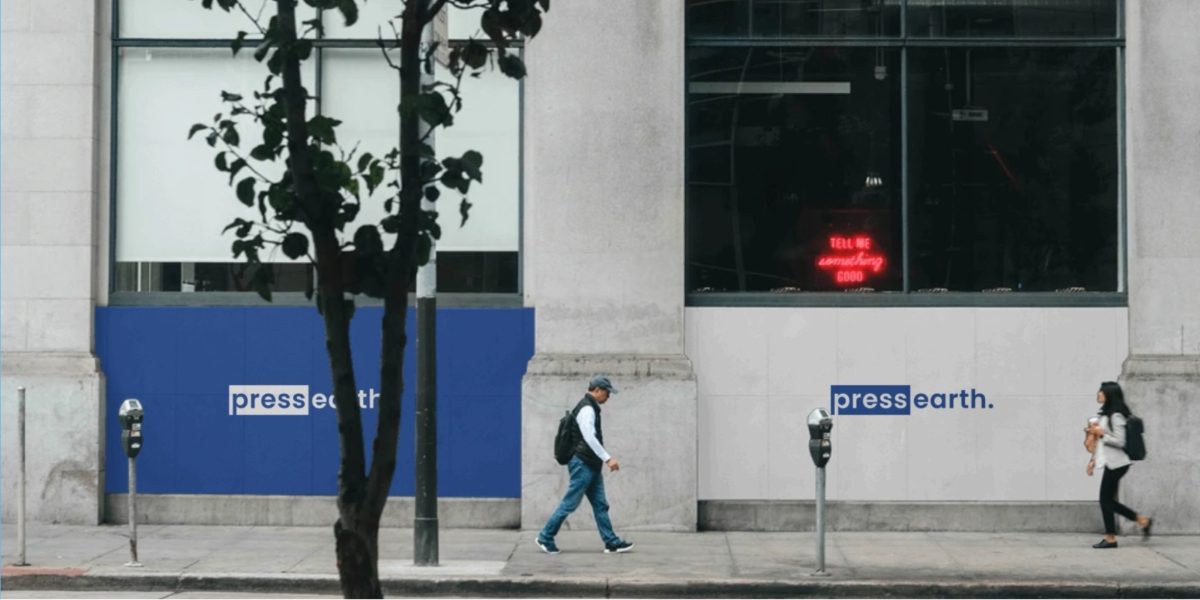
Press Earth was built to help close this gap. The U.S.-based platform helps brands of every size transform their stories into editorial-quality features that appear across respected global media. The process is designed for clarity, featuring editorial review to refine the message, seamless distribution to international outlets, live tracking in a personalized dashboard, and a final report delivered within days.
Beyond Headlines: Why Visibility Matters
For companies, the benefits are clear: media visibility accelerates market entry, reassures investors, and elevates brand equity. For leaders, it extends personal influence beyond borders and strengthens their reputation in the digital space. In short, visibility is not a luxury; it is the currency of growth.
But visibility goes further than publicity. Research consistently shows that investors, customers, and even potential employees use media coverage as a proxy for credibility. A product demo may spark interest, but seeing that same company featured in respected media builds confidence that it is a serious player in its field. In high-stakes markets, that perception often tips the balance between being considered and being ignored.
Building Digital Assets That Last
Another overlooked dimension of media visibility is its permanence. Articles published in trusted outlets become digital assets that influence search results and provide long-term validation. Weeks or years later, potential partners researching a brand will still encounter those stories. For personal brands, this permanence is even more valuable: it turns fleeting announcements into lasting proof of authority and thought leadership.
Press Earth’s model recognizes that modern PR is not just about making news but about building a durable digital presence. Coverage today lives in algorithms as much as in human memory, shaping how brands are discovered, ranked, and evaluated.
A Tool for Risk and Reputation Management
The need for visibility also extends into crisis management and resilience. In times of uncertainty, companies with established media presence have a buffer: their prior coverage reinforces trust and credibility when they need it most. For executives, being seen in respected outlets before a challenge arises means they have already positioned themselves as credible voices. Press Earth’s approach equips brands with that kind of proactive protection.
Democratizing Access to Global PR
Historically, achieving international coverage required expensive agency retainers or personal networks with major publications. Smaller companies and emerging leaders were often shut out, even when their stories deserved attention. Press Earth challenges this imbalance. With tiered packages, startups can afford to test the waters, while larger enterprises can scale their visibility campaigns to match global ambitions.
This democratization reflects broader economic shifts: globalization has made cross-border trade, communication, and competition more accessible. It follows that reputation-building tools must also be accessible. By lowering the barriers, Press Earth ensures that credibility is no longer the privilege of the few but an asset available to anyone ready to tell their story.
Personal Brands on the Global Stage
It isn’t only companies that benefit. Leaders themselves increasingly understand that personal visibility fuels corporate growth. Investors back people as much as they back businesses, and employees are drawn to leaders they trust. Press Earth allows executives, entrepreneurs, and innovators to position themselves as thought leaders in international media, strengthening both personal and corporate influence.
The Evolution of PR
What Press Earth embodies is a shift in the very nature of public relations. Traditional PR relied on relationships, manual pitching, and a degree of uncertainty about outcomes. In a world where speed and transparency are essential, those methods no longer suffice. Press Earth combines technology with editorial expertise to deliver predictable, measurable visibility at scale. It turns PR from an unpredictable cost into a strategic growth lever.
A New Foundation for Growth
As globalization becomes less about physical expansion to narrative reach, Press Earth positions itself as the infrastructure for brands poised to take the world stage. Growth may start at home, but real influence begins when the world is watching.
For founders, that might mean attracting international investors. For corporations, it could mean building credibility before entering a new market. For personal brands, it might mean becoming a recognized voice beyond their own borders. In each case, the underlying principle is the same: without visibility, growth remains incomplete.
Press Earth delivers that visibility, ensuring that stories don’t just exist — they travel, resonate, and endure.
Disclaimer: The information in this article reflects Press Earth’s approach and user experiences. Results may vary depending on individual circumstances and market conditions. Press Earth does not guarantee specific outcomes, and readers should consult with a professional before making financial or strategic decisions.