
By: Kevin M. Miller
Oskar’s story doesn’t begin in the glitter of nightlife or the flash of cameras. It starts in a quiet, windswept port town. Born to a sailor father and a hotel employee mother, his early years were far from idyllic.
When his mother died of cancer at just nine years old, the loss became the first fracture in a life that would spiral through emotional isolation, betrayal, and self-destruction. With his father often at sea, Oskar was shuffled between relatives and neighbors, never feeling like he had a true home.
At thirteen, he moved to Canada under the care of an uncle, only to find himself in another hostile environment. Abuse, instability, and manipulation followed, culminating in his father renouncing legal paternity so Oskar could stay in Canada. The decision may have secured his residency, but it also severed a fundamental tie to his sense of belonging.
The Hustle Years
By his late teens, Oskar was fiercely independent, hustling to survive through odd jobs, stocking shelves, baking bread, doing whatever it took. But he was also burning bridges.
A final confrontation with his uncle led to a cruel betrayal: lured back to Poland under pretenses of his father’s illness, Oskar was stripped of his passport and trapped. That betrayal ignited something in him, a relentless need to take control, no matter the cost.
When he finally returned to Canada, his friends welcomed him back into a world of parties, performances, and provocation. Vancouver became his playground. By day, he worked in high-end restaurants, rubbing shoulders with celebrities. By night, he danced erotically at gay clubs like Odyssey, living out a hedonistic fantasy where attention came easily and consequences seemed far away.
Escapes and Addictions
From Vancouver to the Virgin Islands, the Cayman Islands to Barcelona, Oskar’s life became a carousel of temporary highs. Each destination promised a fresh start, yet the same demons followed: drugs, dysfunctional relationships, and the lure of quick success.
Modeling gigs, TV appearances, and high-profile romances placed him on the cusp of stardom. As a cast member on Sextet, a reality show likened to a Polish version of The Chippendales, his exposure catapulted him into the public eye.
But behind the glamour was chaos. Gambling consumed him, often with devastating losses. One relationship ended after he recklessly gambled away his partner Ola’s money. Every ascent seemed to bring a steeper fall.
Gatekeeper of the Elite
Oskar’s final act in the public eye was his most surreal. As the “picker” at one of Warsaw’s exclusive nightclubs, he controlled entry into the world of the elite. Celebrities, politicians, influencers, and criminals all courted his favor.
With power came intoxicating perks—drugs, alcohol, sex, and status. Yet influence didn’t bring peace. His nights blurred into excess, violence, and financial ruin. Even a move to London, meant as a reset, couldn’t free him from the grip of gambling.
Cracks in the Mirror
The striking theme of Picker’s Confession is Oskar’s own awareness of his self-sabotage. Fame was never the cure; it only amplified his insecurities. As a Polish-Canadian man, he felt rootless—belonging fully to neither culture. The harder he ran from his trauma, the closer it followed.
Despite fleeting success, Oskar’s life was shaped by instability and addiction. His memoir doesn’t glamorize the chaos—it lays it bare. With dark humor and painful vulnerability, he admits to bad choices, deep wounds, and the desperate search for meaning in a world obsessed with appearances.
A Memoir That Stings and Stays
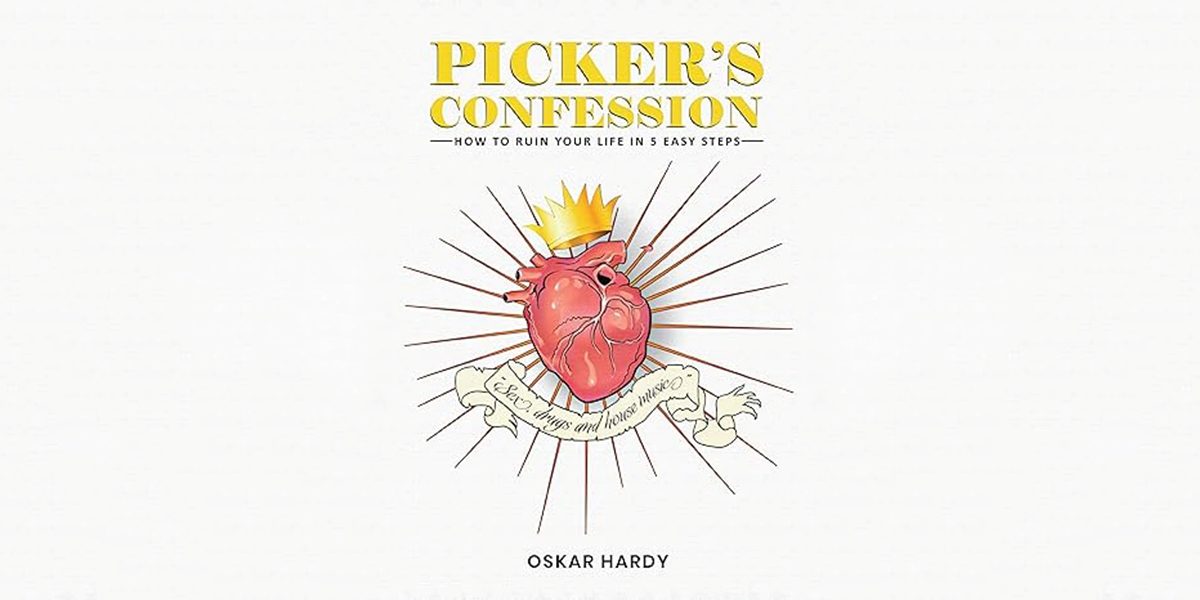
Picker’s Confession isn’t a redemption story. It’s something rarer: a brutally honest chronicle of what happens when pain, ego, and addiction collide unchecked.
Chaotic and fragmented, the narrative mirrors Oskar’s own memories. Readers are pulled into wild parties, celebrity encounters, and the velvet-roped world of nightclub culture. But the memoir never lets us forget the cost. The line between glamour and ruin is razor-thin.
For readers seeking memoirs that go beyond surface storytelling, Picker’s Confession delivers. It’s voyeuristic yet cautionary, painful yet cathartic.
This isn’t just a story—it’s a reckoning.
Disclaimer: The following article recounts the personal experiences of Oskar, as told in his memoir. It includes descriptions of trauma, substance use, addiction, and high-risk behaviors. This content is intended for informational and literary purposes only and is not a guide, endorsement, or encouragement of any illegal or harmful activities. Readers are advised to approach the material with discretion and seek professional support if needed.