
Diabetes can affect various parts of the body, and the eyes are among the most vulnerable. High blood sugar doesn’t just influence how a person feels day to day—it can also lead to gradual, sometimes permanent, damage to vision. Melchert Eye Care notes how multiple eye conditions linked to diabetes progress without noticeable symptoms in the early stages, making regular monitoring a critical part of managing overall health and eyesight. With proper care, including lifestyle changes, timely treatment, and consistent follow-up, individuals can greatly reduce their risk of long-term eye complications.
How Diabetes Impacts the Eyes
Diabetes affects the eyes by damaging blood vessels in the retina, the layer of tissue at the back of the eye responsible for vision. High blood sugar levels can cause these vessels to swell, leak, or close off entirely, disrupting normal vision and potentially leading to permanent loss if not addressed.
Over time, even mildly elevated glucose can lead to changes in vision. Some people notice their sight getting blurry or fluctuating throughout the day. Others may not experience symptoms until complications have already developed, which is why routine eye care is so important.
Common Eye Conditions Linked to Diabetes
Diabetic retinopathy is the most common diabetes-related eye condition, occurring when high blood sugar damages the tiny blood vessels in the retina. In its early stages, retinopathy may cause small hemorrhages—areas of bleeding within the retina—that often go unnoticed by patients but can be detected during comprehensive eye exams. These early hemorrhages are warning signs that the retina is being affected by diabetes and require close monitoring to prevent progression.
During annual exams, eye care professionals can detect early signs like microhemorrhages—tiny spots of bleeding in the retina—long before patients notice any vision changes. By the time vision loss becomes obvious, irreversible damage may have occurred. Early detection through routine exams allows for timely medical intervention and can prevent long-term complications. Treatment plans can be introduced to slow or stop progression altogether.
People with diabetes are also more likely to develop cataracts at a younger age. A cataract clouds the eye’s natural lens and can make everything appear hazy or tinted. In addition, the risk of glaucoma is higher, which can damage the optic nerve over time due to pressure inside the eye. These issues often develop gradually, making them harder to detect without regular exams. Vision loss can become permanent if these conditions are overlooked.
Warning Signs to Pay Attention To
Blurry vision that comes and goes may seem harmless, but it can be an early indicator of unstable blood sugar or more serious eye changes. Some people notice dark shapes drifting across their sight or empty patches that make it difficult to read or recognize faces. These symptoms can point to damage to the retina. Ignoring them could lead to worsening complications.
Sudden changes, like a sharp decrease in vision or eye pain, should never be ignored. Such symptoms may suggest bleeding in the eye or a spike in pressure, requiring prompt medical attention. Even if the discomfort fades, the underlying issue might still be progressing silently. Paying attention to these signals can prevent major vision disruptions.
Eye Exams and Monitoring Schedules
Regular eye exams are one of the most effective ways to detect eye problems early. People with type 1 diabetes are often advised to have their first comprehensive eye exam within five years of diagnosis, while those with type 2 diabetes should schedule one shortly after being diagnosed. These appointments are key to spotting silent changes before symptoms appear.
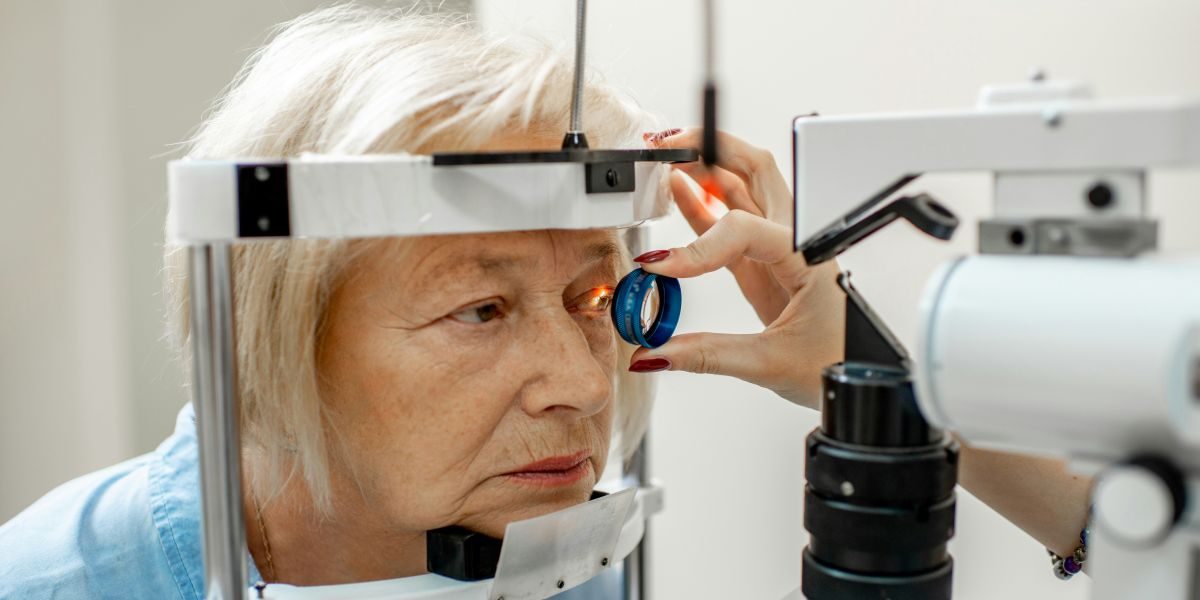
A dilated eye exam allows eye care professionals to see the back of the eye more clearly. This is critical when tracking the progression of diabetic eye disease. Depending on the individual’s condition and risk level, exams may be needed annually or more frequently. Staying on top of these schedules makes it easier to adjust treatment plans before complications escalate.
Ways to Protect Your Vision
Managing blood sugar, blood pressure, and cholesterol helps reduce stress on the eyes. When these levels stay within a healthy range, the risk of developing vision problems drops immensely. It’s not just about medication—consistent lifestyle choices matter just as much.
Eating nutrient-rich foods, staying physically active, and avoiding smoking all play a part in maintaining eye health. Someone who makes a habit of checking their glucose levels, attending routine healthcare visits, and staying informed is more likely to maintain their sight.
Treatment
When diabetic eye conditions are identified early, treatment can slow or even halt further damage. Doctors may recommend laser surgery to seal leaking blood vessels or special injections that reduce swelling in the retina. These treatments are often done in outpatient settings and can help preserve existing vision. Laser procedures have become more precise and less invasive over the years.
Ongoing care includes tracking any changes in sight and continuing follow-up visits with both your primary doctor and eye specialist. Even after treatment, the risk of recurrence remains, which is why long-term management is paramount.
Disclaimer: The content provided is for informational purposes only and should not be construed as medical advice. Always consult a healthcare professional for guidance regarding your individual health needs.