

By: Lyssanoel Frater
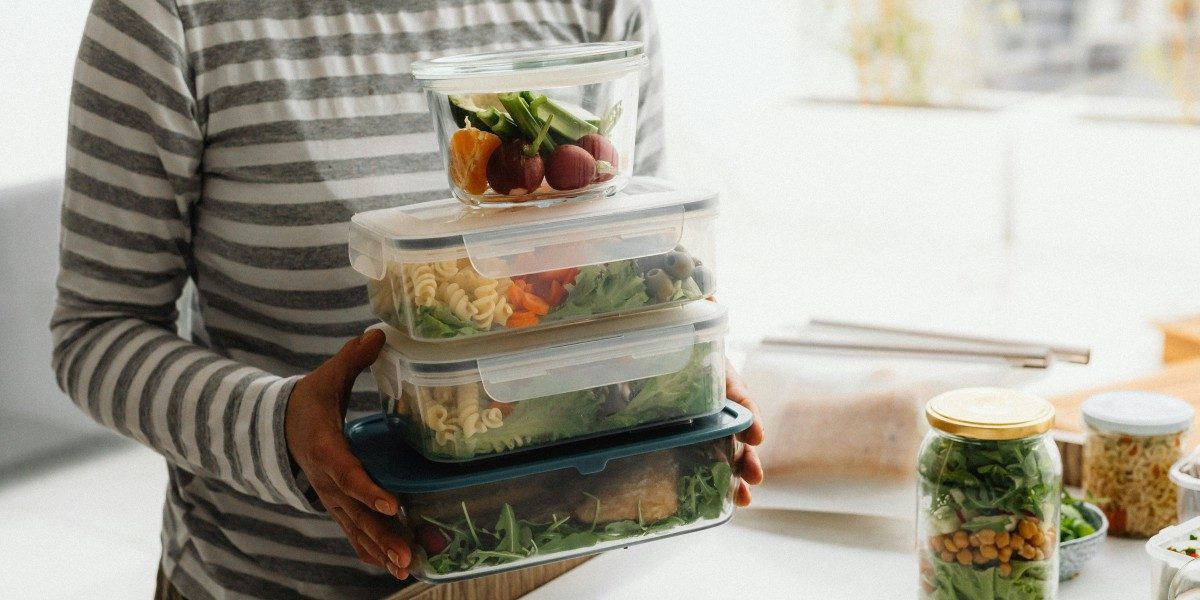
Eating well may sound simple. But when you’re buried in deadlines, stuck in traffic, or squeezing in one more meeting before the day ends, planning your meals can become the last thing on your mind. If your meals usually come from a drive-thru or are skipped altogether, you’re not alone. Most professionals are juggling too much to plan or prep elaborate dishes every day, but that doesn’t mean you need to sacrifice your health or energy just to keep up.
So, how do you make time for meals when your schedule barely has room to breathe? Here are six meal planning tips that can work for your busy life.
1. Set Aside a Weekly Planning Time
Instead of winging it day by day, carve out 30 minutes once a week to plan your meals. Choose a time that works consistently, such as Sunday evenings or Monday mornings. During that half hour, decide what meals you’ll eat for the week, check what ingredients you already have, and write down a food shopping list.
This simple routine of creating a grocery list helps prevent the midweek scramble of trying to figure out what to cook. It also keeps you from overspending at grocery stores or wasting food that gets pushed to the back of the fridge.
If you’re unsure how to build a balanced weekly plan or you’re dealing with health concerns, consider seeking guidance from board-certified registered dietitians. They can help tailor your meal choices to match your lifestyle, nutrition goals, and cooking skills so you’re not figuring it all out on your own.
2. Choose Recipes That Share Ingredients
Avoid meal prep burnout by picking recipes with overlapping ingredients. For example, roasted vegetables can double as a dinner side dish and a salad topping for lunch the next day. A batch of grilled chicken can be turned into wraps, rice bowls, or even tossed into pasta.
Using the same base ingredients in different meals can effectively cut down on meal prep time and make your grocery list more manageable. It also minimizes food waste and streamlines your workflow in the kitchen.
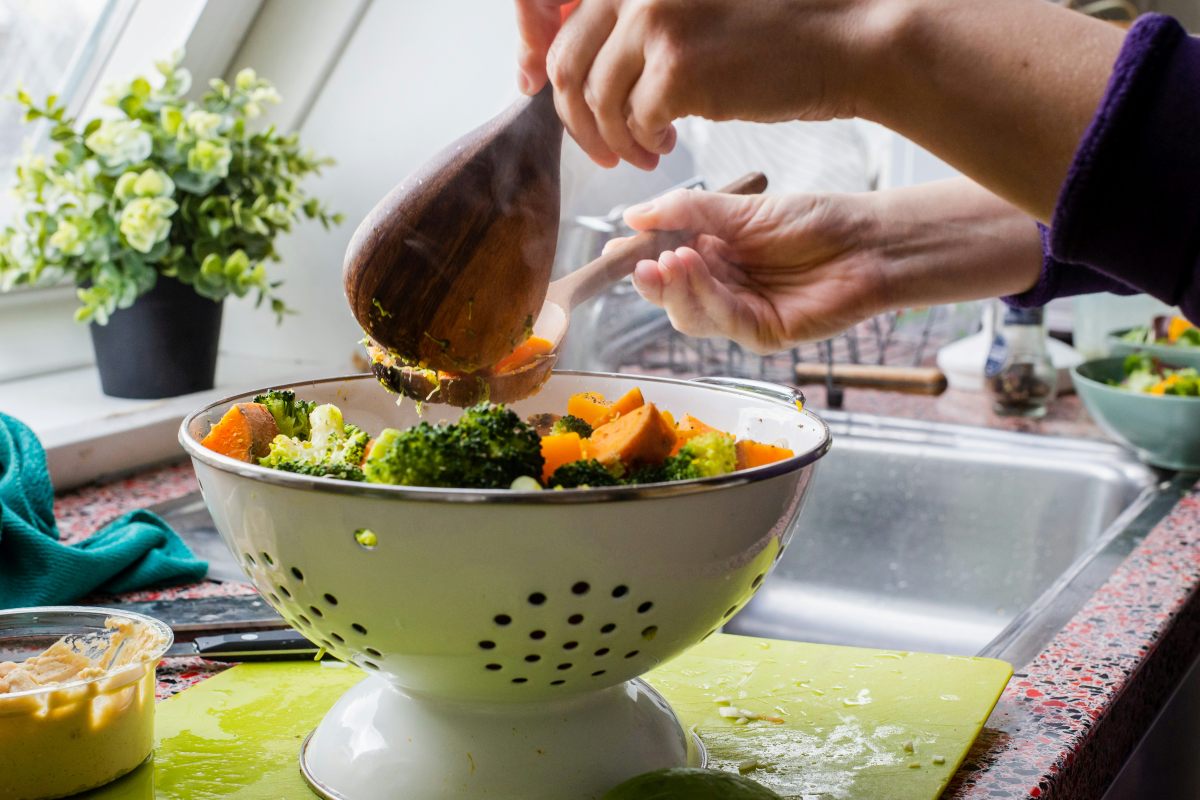
Photo: Unsplash.com
3. Prep Ingredients Ahead, Not Entire Meals
Meal prepping isn’t for everyone, and that’s okay. Instead of assembling entire dishes, why not focus on prepping key components? Wash and chop produce, cook a batch of grains, marinate proteins, or portion out your frozen veggies for the week.
Doing this on your day off or after dinner makes a big difference later in the week. You’ll save time on cooking, reduce cleanup, and lower the temptation to order out just because you’re too tired to start from zero.
4. Create a Personal Menu of Easy Meals
Busy weeks don’t leave much room for decision fatigue. That’s why having a selection of simple, satisfying meals can help tremendously. These are recipes you can make without thinking twice, or dishes you know how to prepare quickly and with ingredients you almost always have on hand. You can check out food blogs and recipe sites for easy meal prep recipes and dinner ideas.
Keep this list somewhere visible, like on your fridge, phone notes, or planner. On nights when you’re too mentally drained to brainstorm dinner, a quick glance at the list gives you direction and saves you from defaulting to takeout. You can update the list over time as you find new meal ideas that fit your schedule and food preferences.
5. Stock Your Kitchen With Essentials
Running out of basics is one of the biggest obstacles to sticking with meal plans. Avoid last-minute grocery shopping trips by keeping your pantry, food storage, fridge, and freezer stocked with staples that support your most-used meals.
Pantry staples like rice, lentils, canned beans, pasta, olive oil, and seasonings can form the foundation of dozens of quick recipes. In the fridge, keep eggs, shredded cheese, sauces, and leafy greens. Frozen foods like veggies, fruits, and protein foods are also great for quick meals when fresh options aren’t available. When your kitchen’s ready, you’re less likely to rely on takeout and can still commit to healthy eating.
6. Use Time-Saving Kitchen Tools
Having the right tools can cut your cooking time in half. Kitchen gadgets like slow cookers, pressure cookers, and air fryers are popular for a reason. They help you prepare full meals with minimal hands-on time.
You can toss ingredients into a slow cooker in the morning and come home to a hot dinner. Air fryers make crisp veggies or proteins in minutes without needing to preheat the oven. Even something as simple as a good-quality knife can make prep faster and easier. You don’t need a kitchen full of gadgets, but investing in one or two tools that match your batch cooking style can make meal prep less of a chore and more of a habit.
Key Takeaway
Meal planning doesn’t need to be complicated or rigid. A little preparation now can mean fewer decisions, healthier meals, and more control over your busy week. So, start small, stay flexible, and build a meal planning system that actually works for you.
Disclaimer: The information provided in this article is for general informational purposes only. It is not intended as medical, nutritional, or dietary advice. Always consult with a registered dietitian, nutritionist, or healthcare professional before making significant changes to your diet or meal planning. The author and publisher are not responsible for any consequences resulting from the use of this information. Individual results may vary.