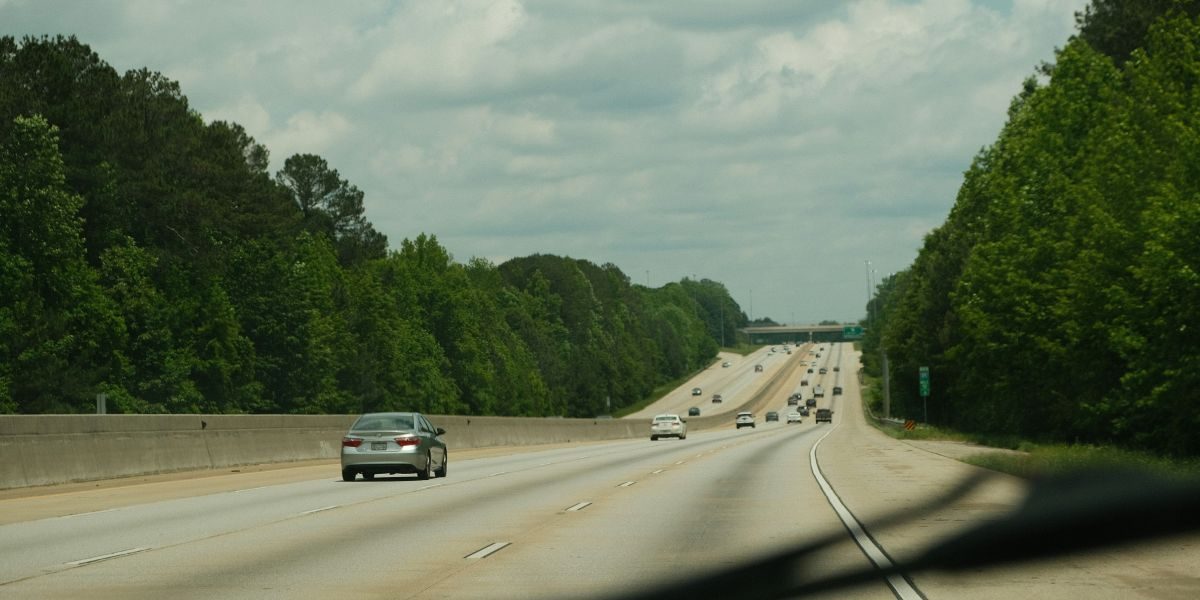

Airline Highway is a major route in Baton Rouge, known for its constant traffic, wide lanes, and typically fast-moving vehicles. While it can seem like a quick way to get across town, collisions that occur here tend to have more serious outcomes. High speeds can exacerbate even small mistakes, potentially leading to more severe incidents.
Many people in the area have likely seen accidents on Airline Highway or heard about them from others. What makes these crashes particularly notable is not just the speed but also factors like road design, visibility challenges, and varying traffic patterns. When combined with sudden braking or unexpected lane changes, it can be easy to lose control quickly. If you or someone you know has been affected by a collision, consulting a trusted Baton Rouge auto accident attorney from Babcock Injury Lawyers might be an important step to consider in seeking advice or assistance.
Speeds That Limit Safe Reaction Time
At high speeds, even small misjudgments can sometimes lead to more significant outcomes. A sudden swerve to avoid debris or a misjudged merge can send a vehicle into another lane or off the road. Drivers often have less time to react than they might expect. Airline Highway, while designed for faster travel, may not offer the level of safety one would expect at such speeds.
As speed increases, braking distance grows substantially, especially in rainy conditions or at night. Rear-end crashes can become more severe, with vehicles sometimes spinning or flipping. The risk of injury tends to rise as speeds increase. These factors make it all the more important for drivers to maintain focus and drive defensively on this road.
Unpredictable Lane Changes and Merging
Airline Highway features multiple lanes, and the traffic flow can be unpredictable, sometimes requiring drivers to merge without much notice. Large vehicles such as trucks and buses, along with faster-moving cars, all share the road, which can sometimes lead to situations where drivers change lanes abruptly or without signalling. In these cases, accidents can happen quickly, particularly during peak traffic hours.
Ideally, merging would be smoother and more predictable, but on Airline Highway, this often isn’t the case. Drivers may hesitate at times, while others try to find gaps in the traffic. The combination of high-speed traffic and frequent merges can create confusion and close calls on a regular basis. Improvements in road markings and driver awareness may help in reducing such risks.
Variations in Speed Limits and Sudden Transitions
On certain sections of Airline Highway, speed limits can fluctuate unexpectedly. One moment, drivers are travelling at 50 mph, and the next, they may need to slow down for a construction zone or a school area. Such abrupt changes in speed limits can catch drivers off guard and, at times, lead to rear-end collisions, especially in transitional areas.
Speed signs are not always as visible as they could be, particularly when traffic is moving quickly. Local drivers may sometimes rely more on habit than on current signs, leading them to miss important speed limit changes. Having more consistent and visible speed limits could help reduce confusion and improve safety. Drivers might feel less surprised by sudden slowdowns on a road known for higher speeds.
Limited Visibility at Intersections and Exits
Certain stretches of Airline Highway suffer from poor visibility, especially at intersections and exits. Issues like overgrown trees, faded signage, and inadequate lighting contribute to this. When approaching these areas, drivers may not always be able to clearly see approaching traffic, which can be even more dangerous during nighttime or in inclement weather.
Proper lighting plays a critical role in keeping high-speed roads safer. Without it, it becomes more challenging for drivers to judge distance or speed. Additionally, some exit ramps are located in places where drivers may not see them soon enough or may find them difficult to recognize, leading to confusion or panic. Better-lit intersections and clearer road markings could potentially help mitigate these dangers.
Road Design That May Encourage Faster Driving
The broad lanes and lack of frequent stops on Airline Highway give drivers the impression that they are driving on a highway rather than a city street. This sense of freedom may encourage behaviors like speeding, tailgating, or weaving through traffic. While the road design might make it feel suitable for faster travel, it is not always built to accommodate speeds as high as drivers might assume.
While the road allows high speeds, it passes by side streets, businesses, and pedestrian crossings. These mixed-use zones require careful attention, as they do not necessarily accommodate high-speed driving. The road’s design could potentially contribute to some drivers’ perceptions that they can travel faster than what is safe for the environment.
Road Conditions That Can Be Hazardous for Motorcyclists
What might seem like a small inconvenience for a car can pose serious risks for motorcyclists. Common issues on Airline Highway, such as surface cracks, potholes, and uneven pavement, can present significant challenges for riders. Loose materials like gravel, sand, or debris from construction zones may also cause a sudden loss of traction, making riding more dangerous.
Weather conditions also play a role. Wet leaves, standing water, and slick spots become more hazardous when vehicles are moving quickly. Poor visibility of lane markings in low-light or rainy conditions increases the chances of misjudging a lane, especially for motorcyclists. The deterioration of road edges and shoulder areas may also leave riders with few safe options if they need to veer off course.
The Danger of Distracted Driving at High Speeds
At 60 miles per hour, even a brief distraction can cause a driver to travel the length of a basketball court without focusing on the road. A few seconds of looking away from the road can lead to significant consequences on a high-speed road like Airline Highway. Texting, eating, or adjusting a GPS while driving at high speeds can increase the risk of accidents, as the ability to correct a mistake becomes almost nonexistent.
It’s easy for drivers to assume they have time to deal with distractions, but in reality, accidents can occur much more quickly than anticipated. This highlights the importance of minimizing distractions while driving and staying focused on the road, as a simple lapse in attention can affect everyone nearby.
The Role of Commercial and Delivery Trucks
Airline Highway is frequently used by commercial traffic, including large trucks and delivery vehicles. These vehicles generally require more space to maneuver and have longer stopping distances than smaller vehicles. In the event of an emergency braking situation, the damage caused by a large truck can be substantial, especially for smaller cars.
Merging around trucks can also present risks, particularly if a car cuts too close to the truck or misjudges its stopping distance. Blind spots and wide turns make accidents more likely when vehicles share the road with large trucks. Understanding how trucks operate and maintaining a safe distance can help reduce the risk of accidents in these situations.
Disclaimer: The information provided in this article is intended for general informational purposes only and does not constitute legal advice. The content is based on general observations and should not be relied upon as a substitute for consulting with a qualified attorney regarding specific legal questions or circumstances. If you or someone you know has been involved in an accident, it is recommended that you seek professional legal counsel to understand your rights and options.