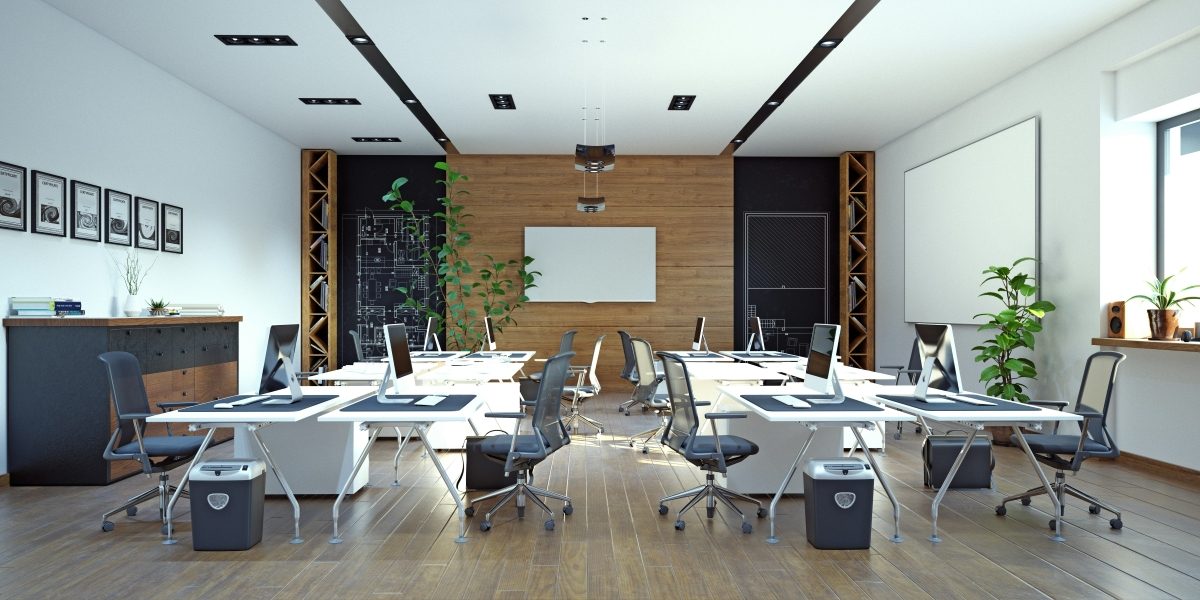

Work is no longer tied to one desk, one address, or even one time zone. As people embrace flexible schedules and distributed teams, where you work has become as important as what you do. The traditional office has taken a backseat to a new kind of workspace—one that supports movement, collaboration, and freedom. Professionals want more than square footage and a power outlet; they want an environment that makes work feel purposeful and efficient. From freelancers to enterprise teams, there’s a growing demand for spaces that are functional, inspiring, and ready on demand. And in cities across the world, that demand is being met with smarter, more thoughtful alternatives. Read the full article to explore how flexible office models are unlocking better ways to work, create, and connect.
Freedom to Work Without Limits
Work happens differently for everyone, and now the office does too. The nine-to-five grind in a fixed cubicle doesn’t match the pace of today’s freelancers, startups, or hybrid teams. People want the freedom to choose when and how they work, and shared office environments make that possible without sacrificing professionalism.
Whether you’re a founder building momentum, a designer juggling contracts, or a team of five needing space for collaboration, there’s an option to match your workflow. You can set up for a single day, commit to a dedicated desk, or secure private offices—all within the same location. This kind of choice is what makes shared spaces effective for both stability and spontaneity.
The benefit goes beyond logistics. When you can customize your workspace to fit your goals, productivity improves. You’re not wasting time adapting to a space that doesn’t suit your needs. You’re walking into an environment that’s ready to support your day from the first email to the last call.
That flexibility also extends to how your business grows. You’re never stuck with space you don’t need or scrambling to upgrade during a growth spurt. It’s a workspace model that works with you, not against you.
Design That Drives Focus and Flow
There’s a clear difference between a place where you can work and a place that helps you work better. Design plays a central role in that experience. From the moment you walk in, the right environment helps you feel grounded, energized, and ready to move with intention.
Well-designed workspaces consider light, space, acoustics, and movement. They offer a mix of open lounge areas, quiet zones, soundproof phone booths, and collaborative rooms so you’re never forced to fit one mold. Whether you need to brainstorm with a whiteboard or block out noise and focus, the space adapts to you.
Colors, textures, and materials matter too. Natural finishes, modern furniture, and art that inspires without distracting all contribute to a setting that feels alive without being chaotic. Design isn’t just decoration—it’s a tool for clarity and calm.
And when a space is cared for—clean, organized, and maintained—it sends a message. You’re in a place that values your time and your output. That feeling has a ripple effect across everything you do, especially when deadlines are tight or meetings are stacked.
Connections That Happen Naturally
You’re not just working around people—you’re working among potential collaborators, partners, and mentors. In shared office environments, connection happens without being forced. You don’t need formal introductions or awkward icebreakers. You just need a seat at the table.
These environments bring together people across industries—tech, design, law, finance, media, wellness, and more. The shared context is ambition, not competition. Everyone’s building something, solving something, or learning something. That kind of energy pushes you to stay sharp and stay curious.
Organic conversations over coffee, hallway exchanges, or breakout sessions often lead to ideas you wouldn’t arrive at alone. Whether it’s a quick tip, a referral, or a full-scale collaboration, these interactions make the work experience richer.
And for solo professionals or remote employees, that sense of community fills a gap that home offices can’t. It brings back the human side of work—connection, accountability, and shared momentum.
Amenities That Simplify Every Day
A strong workday isn’t built on hustle alone—it’s built on systems that support progress. The right amenities turn everyday tasks into seamless routines. You get more done with fewer distractions when everything you need is already in place.
Reliable internet is the baseline. But it’s the add-ons that turn good spaces into great ones: tech-ready meeting rooms, printing stations, front desk services, private lockers, and stocked kitchens. These details reduce decision fatigue, letting you stay focused from the moment you sit down.
If you need to record a podcast, host a video call, or review legal documents, the tools are ready. You don’t have to set up, tear down, or improvise. And if something goes wrong, there’s on-site support to handle it quickly so you can stay on track.
Workspaces also increasingly offer extras that go beyond the desk—quiet wellness rooms, standing desks, bicycle storage, or on-site cafes that turn short breaks into mental resets. These aren’t luxuries. They’re practical additions that make your day more sustainable and more enjoyable.
Location That Aligns with Lifestyle
Where you work affects how you work. The best shared spaces are located in walkable, vibrant neighborhoods close to transit, cafes, parks, and culture. When your workspace is near what inspires you, the energy of the city becomes part of your routine.
Proximity to public transport helps reduce commute friction. Local food options make lunch more enjoyable—and less rushed. And having places nearby to unwind after a long day helps draw a clear line between work and rest. That rhythm makes a real difference.
For professionals meeting clients or hosting team sessions, location also becomes part of your brand. Welcoming someone into a modern, well-located space leaves a stronger impression than a coffee shop corner or a noisy home call. It says you’re serious about your work and thoughtful about how you operate.
Location adds context. And the right one aligns with your pace, your image, and your long-term goals—whether you’re starting fresh or scaling up.
Professionals ready to simplify their workflow and strengthen their presence are choosing to rent a coworking space that blends flexibility, focus, and connection into one smart solution for modern work.