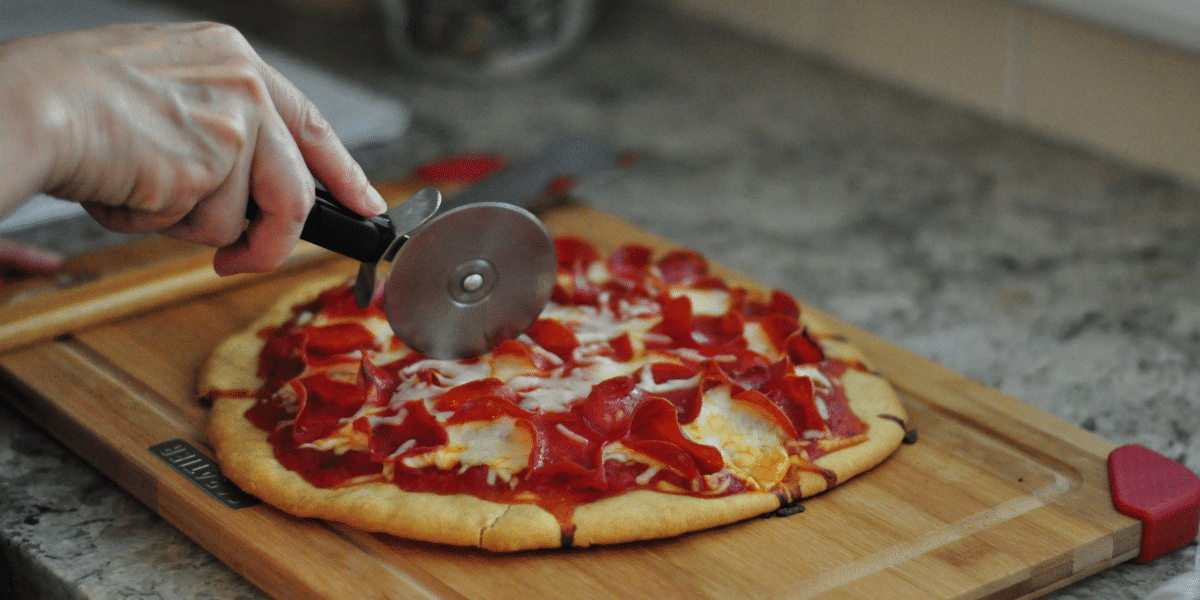

Crafting the ideal homemade pizza is as much about technique as it is about passion. While pizzerias have the advantage of wood-fired ovens and years of experience, home cooks can achieve excellent results by learning a few clever hacks. These tips suit homemade pizza and can elevate your skills, leaving friends and family asking for seconds.
The Foundation: Improving Your Dough Technique
Pizza dough is the heart of any great pie, and getting it right is crucial. Start by choosing the right flour—bread flour or 00 flour are excellent options for achieving a light, chewy crust. Bread flour’s high protein content ensures a stretchy, elastic dough, while 00 flour, common in Italian cooking, delivers that thin, crisp base.
Hydration is another key factor. A dough with about 60-65% hydration (measured as a ratio of water to flour by weight) strikes a good balance between workability and puffiness when baked. Mix your ingredients thoroughly, knead for 8–10 minutes to develop gluten, and allow the dough to rise slowly in the refrigerator for at least 24 hours. This cold fermentation process develops flavor and a better texture.
If you’re short on time, don’t be afraid to buy quality store-bought dough. Let it come to room temperature before rolling to make handling easier. Whether homemade or store-bought, roll out your dough evenly, leaving a slightly thicker edge for that signature crust.
Mastering Heat: The Secret to Crispiness
Achieving an excellent crust at home depends largely on how you manage heat. A conventional oven can’t reach the extreme temperatures of a professional pizza oven, but you can mimic those conditions with a few simple tweaks.
Start by preheating your oven to its maximum temperature—usually around 500°F (260°C)—and placing a pizza stone or steel on the middle rack. These tools retain and evenly distribute heat for a golden, crispy base. Allow the stone to preheat for at least 30 minutes before sliding your pizza onto it.
Another trick is using a broiler. Once your pizza is nearly done, switch to the broil setting for a minute or two to achieve that beautiful charred look on the crust and toppings.
To ensure your pizza comes out crispy and delicious, don’t forget about the importance of cleaning your pizza stone regularly to maintain its surface. Residue can interfere with heat transfer and affect the flavor of your pizza, so keep it clean with a gentle brush or scraper after each use.
If you’re using a baking sheet instead of a stone, try flipping it upside down. The flat surface provides better airflow underneath the dough, which helps the crust cook more evenly.
Toppings and Timing: The Art of Assembly
Even the right dough and baking technique can be ruined by improper topping placement or excess moisture. Start by spreading a thin layer of sauce—too much will weigh down the crust and make it soggy. Opt for tomato sauces with minimal water content, or cook down your sauce to thicken it if necessary.
Cheese is another element where balance is key. Use fresh mozzarella sparingly, as its higher moisture content can lead to pooling. Mixing in a firmer cheese like low-moisture mozzarella or even grated Parmesan helps maintain the right texture and flavor.
When it comes to toppings, less is often more. Overloading your pizza can make it difficult to cook evenly and can lead to a soggy middle. Pre-cook watery ingredients like mushrooms or spinach to remove excess moisture, and distribute toppings evenly across the pie.
Finally, timing matters. Assemble your pizza quickly on a pizza peel or parchment paper to prevent sticking. If using parchment, trim any overhang to avoid burning in the oven. Once baked, let the pizza rest for a minute before slicing—this brief pause allows the cheese to set slightly, making cleaner cuts and preventing a molten mess.
Creating homemade pizza is a rewarding experience; with these tips, your kitchen can potentially rival pizzerias. By mastering dough preparation, understanding heat management, and refining your topping techniques, you’ll produce crispy, flavorful, and utterly satisfying pizzas.
Published by: Khy Talara