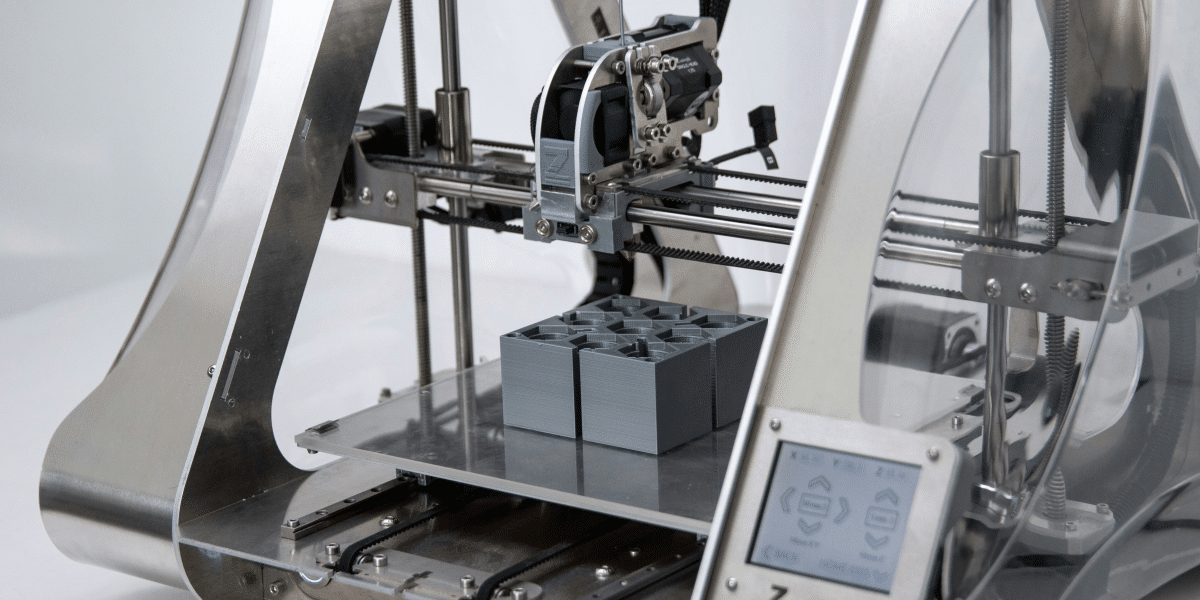

CNC machining is a major industrial revolution. It is changing our perception of production efficiency. Therefore, one of the roles of CNC machining is to shorten production cycles and improve machining processes. CNC machining shortens production cycles by using automated programs, optimizing tool path selection, reducing the number of operators and improving milling technology. As a result of these improvements, CNC machining has become a very important asset in modern manufacturing.
Understanding CNC Machining
CNC (Computer Numerical Control) machining uses computer controls to ensure the precise operation of tools such as drills, lathes, and milling machines. The process involves machining a variety of materials into unique shapes and designs. CNC machines can easily handle materials such as soft foam or strong nickel superalloys.
CNC machining has many advantages. The system is unsurpassed in precision and accuracy, which improves product quality. In addition, this advancement has made the production process faster and more efficient, which has greatly reduced labor costs. CNC manufacturing produces very little waste, which is in line with the concept of green production. Unlike other machines that have to be stopped for breaks, CNC machines can run day and night, every day of the week.
However, this is limited by certain factors associated with CNC technology. The size and shape of an acceptable prototype are influenced by factors such as drill specifications, machine size and axis movement. The Hermle 5-axis CNC machining center used by PROTO MFG proved to be flexible and accurate in carrying out various machining operations. The Hermle 5-axis CNC machine offers a more balanced approach than larger CNC machines, which can handle workpieces up to 105 feet x 21 feet but often have a limited range of motion. It provides enough power for small operations without sacrificing the range of motion in the X, Y and Z axes. Visit PROTO MFG to learn more about this advanced machining technology.
Key Components of CNC Machining
CNC machine tools are essential to modern manufacturing, and all of their parts are very important. Every part of the machine is essential for it to work accurately and efficiently. These important parts are as follows:
- Input devices: The second component, used to load the CNC program, is essential for this task. It is usually equipped with a keyboard or other input device. Machine Control Unit (MCU): The MCU is like the brain of the CNC system and is responsible for processing the data stored in the program. This information is converted into precise instructions for moving the spindle or axes.
- Machine tool: This is what the actual elements on the X, Y and Z axes do to produce the workpiece. This includes, for example, slides and spindles. As mentioned earlier, machine tools also include some important components, such as motors and spindle drives.
- Drive system: The ball screw is an integral part of this vital system. In this step, the MCU sends axis signals to the amplifier, which in turn drives the motor to rotate the ball screw, thereby accurately fixing the machine tool table in place.
- Feedback system: This system, also called a measuring system, uses sensors to measure position and speed. It continuously collects information about the cutting tool’s position and sends it, along with the motion data, to the MCU for adjustment.
- Display unit: This unit’s display can show important information such as the program, operating instructions and machine status.
This part controls the special codes and software that automatically run the machine tools. This synergy enables the CNC machine tools to provide unique designs and precise performance when turning particular parts into different materials.
Importance of Cycle Time in CNC Machining
Cycle time is one of the key factors as it shows how long it takes to complete certain CNC processes. This is very important in determining lead times and reducing the cost of parts and/or end products. Cycle time accuracy is essential to improve production management as it requires solving mathematical equations for different situations, such as drilling or milling.
However, cycle time is not just a measurement. The project’s total cost depends on the type of material, the complexity and the required manufacturing precision. Optimize part and product costs and use cycle time to gain market competitiveness.
It’s all about reducing cycle times and increasing productivity. This can be achieved through several strategies, such as automating processes, simplifying toolpaths and cutting methods, reducing labor costs, using a compact and efficient set of milling machines and limiting maintenance downtime. A good operator is also significant. Reducing the machining cycle time is very important to improve the efficiency of CNC machining operations, so skilled operators with good analytical skills are needed.
Factors Affecting Cycle Time
Several essential factors influence cycle time in CNC, each having different impacts on total efficiency and output.
Tooling Considerations
Tool selection is one of the most critical parameters, as it includes tool type, material and geometry. The use of high-performance cutting tools and optimized tool paths can significantly reduce material waste and internal scrap, thereby significantly shortening machining cycles. Finally, the right choice of tooling solutions, such as high-efficiency milling, can help shorten machining cycles and increase productivity.
Material Selection
The choice of material directly impacts machining time, efficiency and tool wear. Each material requires a different tooling strategy and style to achieve optimum productivity and accuracy. Tools must be solid and accurate, increasing wear and reducing the time value of hard materials such as these. Due to the impact of material properties on CNC machine tools, an understanding of material properties is also necessary for a successful manufacturing process.
Cutting Parameters
These are critical aspects of cutting parameters such as depth of cut, feed and speed. Optimizing different parameters depending on the material and specific machining process can significantly reduce the machining cycle. Roughing cycle times can be significantly reduced using techniques such as high-efficiency milling (smaller stepovers, higher feeds and deeper cuts). Therefore, it is necessary to identify and optimize the appropriate parameters to achieve faster and higher quality CNC machining.
Machine Capabilities
Cycle time depends on the rigidity, precision and controllability of the CNC machine operation. Productivity depends on the machine’s ability to interact with different materials, cutting methods and tool types. Modern technology, such as efficient machining methods and CNC simulation software, can reduce cycle time and increase output. Therefore, it is necessary to maximize the use of CNC machine tools and improve their performance to achieve faster and better productivity.
How CNC Machining Boosts Cycle Time
In CNC machining, cycle time is significant and measures the performance of a single operation. The shorter the cycle time, the lower the cost, the higher the output, and the faster the production speed. Using a wide range of the latest programs to shorten CNC machining cycle times can significantly increase profitability and efficiency.
Advanced Tooling Technologies
To shorten the processing cycle, it is necessary to use the most advanced mold technology. This includes:
- High-performance cutting tools: Tools such as coated carbide, CBN, and diamond, which move the workpiece faster, can reduce cutting times.
- Optimized tool geometry: Tools with special geometry increase chip breaking and cooling.
- Adaptive tool control systems: These programs automatically adjust cutting settings for optimal machining, minimizing cycle time and avoiding bottlenecks.
High-Speed Machining Techniques
High-speed machining (HSM) technology is revolutionary because it enables faster material removal at higher spindle speeds and feed rates.
- HSM strategy: Helical milling and sleeve milling are suited for short cycle times, especially for complex geometries.
- Machine rigidity: HSM requires machine rigidity to handle vibrations during rapid machining.
- Thermal management: In HSM thermal management, using coolants and lubricants ensures that workpieces do not deform and tools do not wear.
Efficient Tool Change Systems
Effective tool-changing systems reduce non-cutting time, which plays an important role in shortening the production cycle. These systems include:
- Automatic Tool Changer (ATC): Automatic tool changer reduces downtime and improves machining efficiency.
- Tool presetter: These features reduce set-up time and increase productivity through high tool position accuracy.
- Tool magazine: Large-capacity tool magazines also mean fewer tool changes, reducing production cycle times.
Optimization of Cutting Parameters
Optimal cutting parameters are crucial for achieving the right machining process and minimizing machining time. Important variables include:
- Spindle speed: If the spindle speed is not selected with the tool and workpiece material in mind, the material will not be removed efficiently. Feed rate: Balancing feed rate and tool life can reduce cycle time while optimizing material removal without compromising quality.
- Depth of cut: Selecting the correct depth of cut can reduce cycle time and ensure efficient material removal.
- Coolant application: Effective coolant technology, such as flood or mist cooling, can reduce cycle time by removing heat, reducing tool wear and maintaining accuracy.
Sourcing Simplified – Start Your Next Project With PROTO MFG
Are you looking for a reputable partner for your parts fabrication and machining projects? Look no further. PROTO MFG specializes in CNC machining and related technologies, including sheet metal fabrication, rapid prototyping, etc. Whether it is a project with a simple design or parts with complex geometries, do not hesitate to contact PROTO MFG!
Published by: Khy Talara