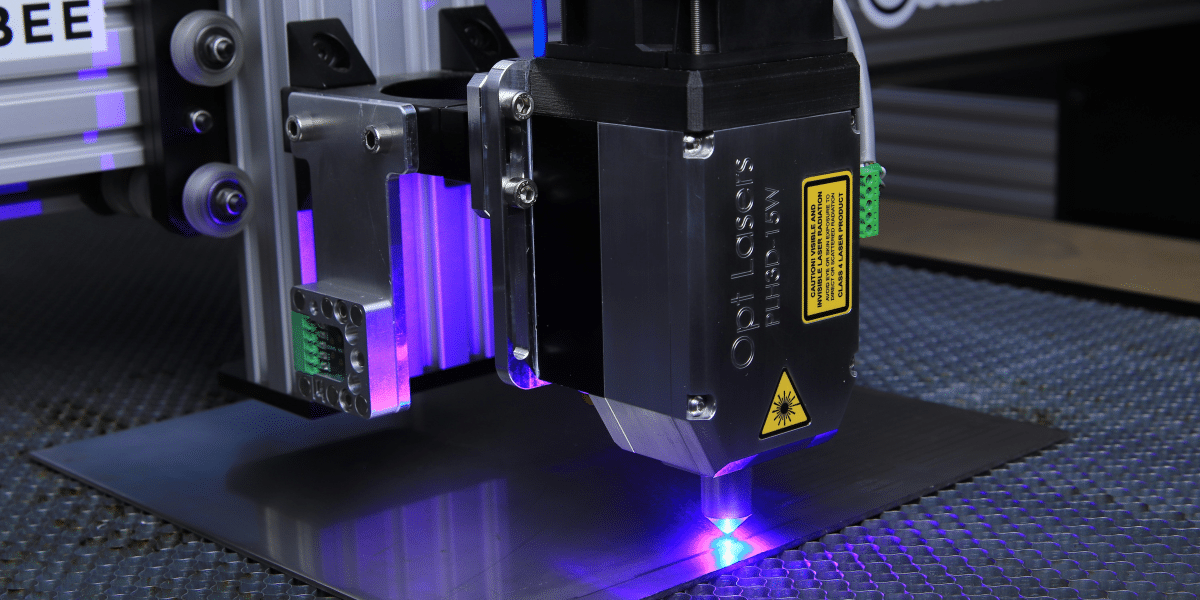

If you need to cut a metallic sheet, it is critical to choose one method that is considered the proper approach. Two famous methods of metallic cutting are laser cutting and plasma reducing. Both have their strengths, but what’s right for you? This article will explain each option to help you decide.
What Is Laser Cutting?
Laser cutting uses extreme beams of light to cut fabric. The laser is very accurate, making it fantastic for advanced cutting. It can cut various materials, including metal, plastic, and wood.
What Is Plasma Cutting?
Plasma cutting uses a stream of hot plasma to cut through metal. Plasma is a hot gas. This technique is also precise but better suited for cutting thicker metal.
Laser Cutting vs. Plasma Cutting
Precision: Laser Cutting Is More Accurate
Laser cutting is an excellent option if you need a particular reduction. The laser beam could be very skinny, considering a specific cut. This is critical in case you need to create complex shapes. Laser cutting is regularly used in programs requiring precision, including car components or aircraft production.
Plasma cutting is accurate but can’t achieve the fine detail that laser cutting can. It’s ideal for straightforward cuts in thicker metals.
Speed: Plasma Cutting Is Faster
Plasma slicing is faster than laser cutting, especially for harsh substances. If you want the activity performed quickly, plasma cutting may be a splendid option.
While laser slicing is correct, it tends to be slower. Speed relies upon length. Cutting through the gentle metal with a laser takes a long time. If you are in a rush, plasma slicing can save time.
Material Thickness: Plasma Cutting for Thick Metals
Plasma slicing is a satisfactory technique for cutting moderate metal. It can also be used to reduce very hard substances without problems, making it appropriate for heavy-duty programs.
Laser cutting works well on flat surfaces. It can also cut smooth metal, but it takes longer and is less efficient. Laser cutting is the way to go when reducing thin metal sheets.
Cost: Plasma Cutting Is Cheaper
Plasma reduction is commonly more reasonable. Equipment costs are low, and the process is fast, so it is inexpensive on average. This makes plasma cutting a fantastic choice for massive projects with tight budgets.
Laser cutting costs more. The equipment is high-priced and takes a long time to trim. But it is worth the extra cost if you need a considerable bargain.
Cut Quality: Laser Cutting Has a Smoother Finish
Laser cutting provides a clean, smooth finish. The laser beam smooths the material, resulting in edges that require less finishing work. If the appearance of the cut is important, laser cutting is essential.
Plasma cutting can result in harsh edges, requiring additional work to ease out. If you don’t need a clean end, plasma slicing will do the trick.
Flexibility: Laser Cutting Can Cut More Materials
Laser cutting is extra flexible because it can cut various substances. In addition to metallic, it could be used on plastic, wood, and textiles. This is useful if your assignment is multidisciplinary.
Plasma slicing is generally performed on metals, especially metals that conduct electricity, such as metal and aluminum. It’s fantastic for these but not as versatile as laser slicing.
Safety: Laser Cutting Is Safer
Both techniques have safety risks, but laser cutting is often safer. The process is highly controlled and less likely to cause fires or explosions. Additionally, laser cutting does not produce harmful fumes.
Plasma cutting is challenging due to high temperatures and radiation. Strict safety precautions must be followed, including wearing protective equipment and ensuring proper ventilation.
Environmental Impact: Laser Cutting Is Greener
Laser cutting may be more environmentally friendly. It produces less waste and releases less carbon dioxide, and its precision also results in less material waste.
On the other hand, plasma cutting can generate more waste and emit harmful radiation, which can be detrimental to the environment, especially in large-scale projects. Laser cutting may be a better choice if environmental impact is a concern.
Conclusion
Both laser cutting and plasma cutting have their pros and cons. The right method depends on your specific needs. Laser cutting is an excellent option if you require high precision, clean edges, and work with thin materials. It’s also preferable if you need to cut various materials or prioritize safety and environmental considerations.
Plasma cutting is the way to go if you need to cut thick metals quickly and cost-effectively. It’s also ideal for large projects where budget is a significant concern.
Ultimately, the right choice depends on what matters most for your project—precision, speed, material thickness, cost, or environmental impact. By understanding the strengths and weaknesses of each method, you can make the right decision for your needs.
Published by: Martin De Juan