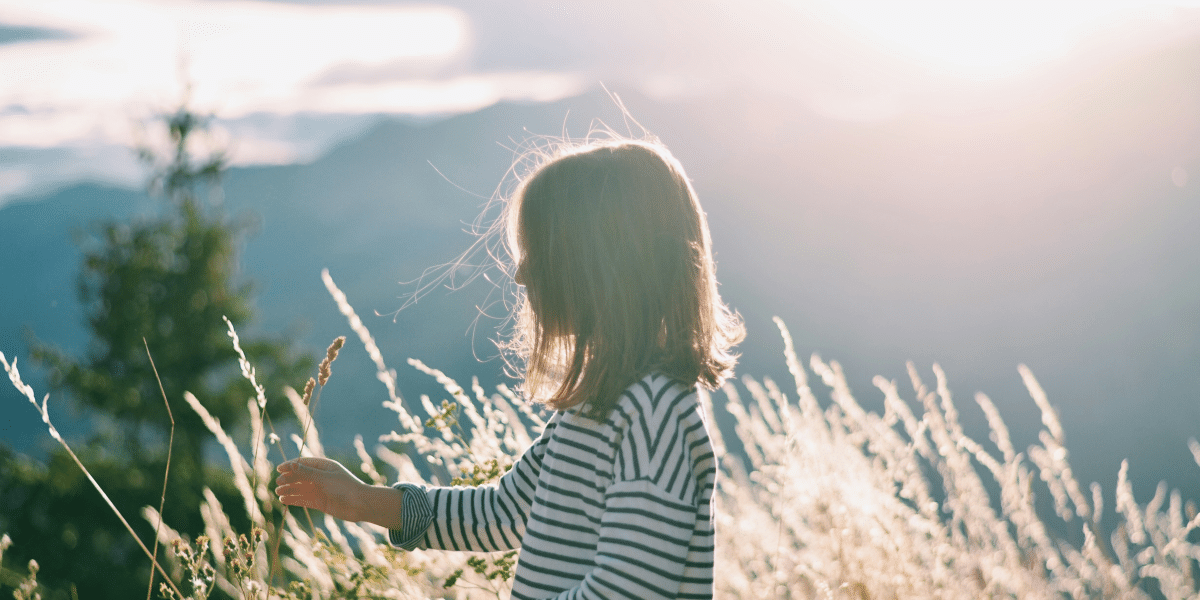

One of the best learning types occurs when people don’t realize they’re learning. You may remember the first scene in Mark Twain’s Tom Sawyer when Tom gets his friends to whitewash the fence for him. How? He pretends he’s having the time of his life! When people are having fun and don’t realize they’re doing work, they’re more willing to do it. And, as a side benefit, they learn! You can make learning fun, too, by extending the classroom outdoors.
Treat the Playground as a Storytelling Opportunity
Kids spend a lot of time on the playground, especially younger ones. They’re already prone to making up their own games, and you can take advantage of that by turning it into storytelling time. Kids who learn to use their imagination and are encouraged to make up stories are developing the ability to think outside the box. This is a problem-solving skill that will come in handy throughout their lives and across industries.
To help facilitate playground storytelling, have the kids imagine the play structure as a castle, a dungeon, a spaceship, or any other space that might fit their story. Ask them what role the metal swing sets might play in their story; the swings may be airplanes, rockets, or armored dragons. Have them spend time alone or in groups on the playground, making up a story with a beginning, middle, and end. Then, have them share with the class.
Turn Nature Walks into Science Talks
There’s so much to explore in nature that you can turn it into an ongoing science lesson for the whole year. So often, kids know the names of big brands like McDonald’s or Starbucks but can’t name the plants or bugs around them. Learning about the world they live in, not to mention spending time in nature, can help kids open their minds and think in new ways. As a side benefit, just hanging out in nature can also be suitable for emotional regulation.
You can turn nature walks into science talks in many ways. You could do a bug exploration, where kids bring critter catchers and spend time hunting for the little creatures in your region. Then, they can learn about those bugs. You could also do a plant study, where kids draw what they see in journals and learn about edible versus toxic plants. Or, you could have kids walk barefoot in the grass and study grounding. The possibilities are endless!
Use the Sun and Environment to Teach Time and Directions
So many people today can’t orient themselves in their environment, which can be detrimental in an emergency. Learning which directions are north, south, east, and west, and approximately what time it is, can save a life. Sadly, most people in the modern world rely heavily on their smartphones and only know how to turn left or right at stop signs and man-made structures.
When you get outside on a sunny day, you can help kids learn directions by creating a sundial and showing them how to read the sun as the earth orbits. Building a sundial can also be a great math lesson when doing calculations. You can also discuss the solar system. You can then build on those lessons by discussing the concept of the sun rising in the east and setting in the west, allowing kids to orient themselves and follow travel directions.
Visit Burial Grounds and Ancient Ruins for History Lessons
It might seem morbid to visit burial grounds, old crumbling buildings, or ancient ruins, but history is critical to a kid’s education. You’ve likely heard that those who don’t remember history are destined to repeat it; that’s often because kids who don’t learn history may not learn to have compassion for those who have been wounded in the past. This lack of compassion then allows room for kids to grow up and cause more damage instead of making positive change.
Visiting burial grounds of past battles or ancient ruins that colonizers or conquerors have destroyed breathes life into the past so kids can really feel it. Talk to kids about the battles, what they were fought over, and how the winners usually get to tell the stories. Ask them what the “losers” of those battles might want them to know. You can also visit sites and monuments that have been erected by “winners” and ask kids to reflect on them.
Take Hikes for Physical Education
Last but certainly not least, get outside and hike with kids for physical education. With rising obesity rates, especially among kids, there’s no time like the present to get them moving. While kids might reject the notion of square dancing or playing basketball as a form of P.E., like older generations had, many people who start moving outside learn to value it.
Find local trails close to your school and organize regular hikes out in nature at a level the kids can adjust to. You want the hike challenging enough to get their heart rates up but not so difficult that they’re miserable. Along the way, you can incorporate elements of all the other lessons discussed here — storytelling, science talks, directions, etc. Before you know it, kids may be asking their parents to take them on hikes over the weekend.
There are many ways to turn the outdoors into learning opportunities; you just have to be willing to adapt your lesson plan to your local environment. In most cases, you can work with what you’ve got and help kids build strength, resilience, and imagination by spending more of your teaching time, their learning time, and the outdoors. The best part of it all is that, in many cases, kids will just be having fun, like Tom Sawyer’s friends. They won’t even realize they’re working.
Published by: Nelly Chavez