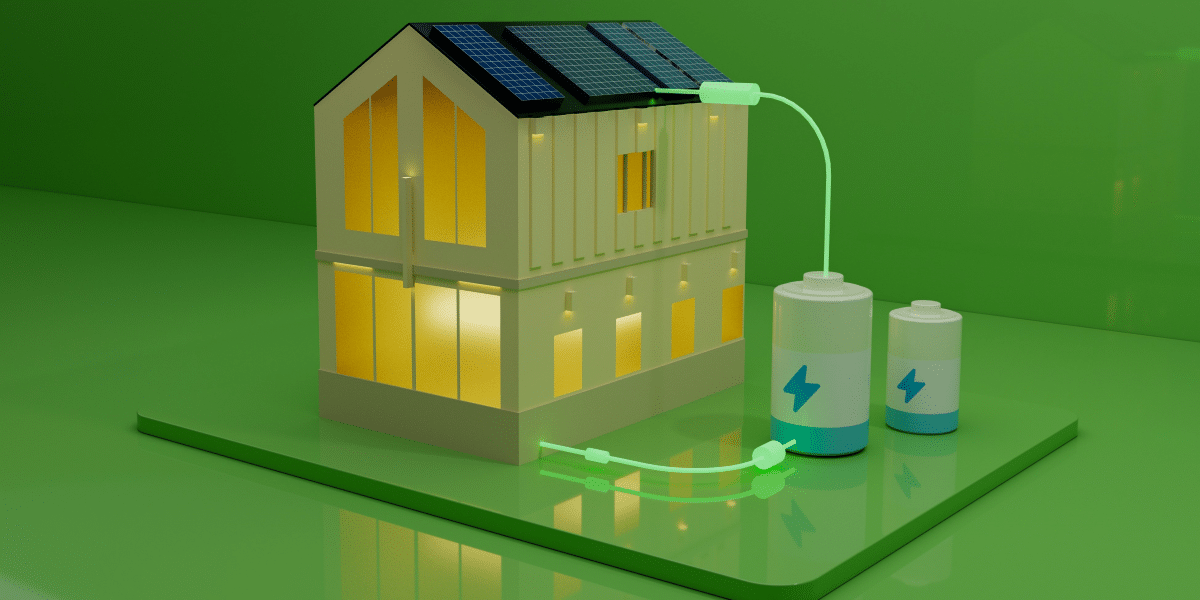

Understanding energy metrics is essential, especially in today’s highly digitalised culture. Knowledge of the many units and measures used to convey energy and power estimated in joules units, watts, and kilowatt-hours, among other units, is part of energy literacy. People may use the knowledge to make informed decisions on using and maximising energy resources. You may check out https://www.utilitybidder.co.uk/compare-business-energy/watts-kwh-and-joules-what-does-it-all-mean/ to learn more about the contents of these units.
Fundamental Concepts of Energy
One of the most familiar types of stuff in people’s daily lives is energy, which is intimately related to many activities. Different types of energy exist, including thermal, light, kinetic, chemical, and electrical energy. Therefore, an understanding of these various forms and how they might be measured is required to solve issues about the management of energy resources.
Energy Measurements and Units
Energy is the unit of measurement for interactions of work or heat transfer. The term “joule” refers to the basic unit of energy. Watts are units of power, often known as a rate of work, and they indicate the energy transmission or utilisation rate. One joule per second, or W = J/s, is the definition of watt units. These energy and power units are essential for measuring how much energy is used in various contexts.
The Importance of Energy Literacy
Understanding these metrics and units and the sources and types of energy is a prerequisite for energy literacy. It aids in making informed decisions about energy usage, conservation, and effective use of available resources. Energy literacy is essential, particularly in the future when energy problems and challenges like climate change and the depletion of fossil fuel supplies develop.
Energy Efficiency and Renewable Energy
Owing to the limitations in utilising fossil fuels and the impact of energy consumption on the environment, solar, wind, and hydroelectric power are among the best energy sources. Learning about such resources and how to use them is a crucial component of energy literacy.
Renewable Energy Sources
Solar Energy: A method made feasible by solar panels that allows for the efficient use of solar energy.
Wind Energy: Wind power generation is the process of producing power from the wind by using wind turbines.
Hydroelectric Energy: Hydroelectric energy is a novel form of energy that is produced by flowing water.
Energy Efficiency
Energy conservation refers to using less energy than you would have previously needed to complete a task. It is crucial in limiting energy use and carbon dioxide gas emissions. Improving energy efficiency, therefore, aids in lowering overall energy use and, consequently, contributes to global warming.
Forms of Energy and Their Uses
There are various kinds of energy, each with unique uses and characteristics that might come through in use.
Electric Energy
It makes power provision easier in our homes, offices, and technological devices. This is created in several methods, including the combustion of nuclear energy, renewable energy sources, and fossil fuels.
Chemical Energy
The energy is released as heat, light, and other types of stored energy in various chemical compounds during a chemical reaction. Batteries, gasoline, food, and anything that burns can store this energy.
Potential and Kinetic Energy
- Kinetic Energy: The force of movement. Any moving item, such as cars and the wind, exhibits it.
- Potential Energy: A thing has amassed energy due to its location or favourable state. These include pulling a coiled spring or placing a rock on a slope.
Thermal Energy
The energy connected to a substance’s temperature is called heat energy. It is an efficient appliance used daily to heat our homes and prepare meals.
Electromagnetic and Light Energy
Light energy, which falls under the category of electromagnetic energy, is vital in technology and is used, among other things, in communication devices and facility equipment. This energy travels in electromagnetic waves, including light energy visible to the human eye and radio waves.
Energy Generation and Consumption
Learning about energy production and usage is crucial for understanding energy and environmental issues. Making better judgments regarding energy consumption is aided by knowing its sources, technological applications, and ways to save it.
Energy Sources and Generation
Energy may be created through several methods, such as nuclear power, renewable energy sources, and fossil fuels. Every approach has advantages and disadvantages.
Electricity Consumption
Electricity is one of the needs people use every other day globally. If people know the energy spent and its creation, they may better regulate their energy consumption and sources.
The Role of Energy in Human Life
The lifeline of human society is energy. In certain nations, it serves as a source of transportation fuel in addition to helping to provide light, heating our houses, and powering enterprises.
Everyday Life and Energy
Energy is needed all day, starting with basic needs like heating a home or powering a reading gadget. People’s lifestyles can be improved with knowledge about energy use and strategies for saving it.
Energy Education and Literacy
Promoting energy education to raise public understanding of energy issues is important. Therefore, learning about energy principles empowers individuals to make wise decisions about personal energy usage and contribute to resolving global energy issues.
Energy and the Environment
People often consider their energy use and the environmental repercussions that follow. Fossil fuel combustion releases carbon dioxide into the atmosphere, aggravating climate change and global warming. Energy efficiency and using renewable energy sources can reduce the harmful effects of traditional energy sources.
Nuclear Energy
One way to characterise nuclear energy is as a powerful form of energy produced by nuclear fission. Although it is possible to generate large amounts of power with comparatively modest carbon footprints, there are drawbacks, including the possibility of accidents and the production of radioactive waste.
Climate Change and Global Warming
Energy usage, particularly fossil fuel use, is detrimental to the environment and contributes to global warming. Examining the relationship between energy use and environmental effects is required to address these issues.
Conclusion
The need for energy literacy will only increase as society moves toward a digital age. Making the proper decisions that promote sustainability and efficiency in using energy resources is achievable thanks to analysing energy measurements, sources, and consequences. This understanding is necessary to handle current energy-related issues and prepare for a future in which renewable energy sources and energy efficiency will be essential.
It is imperative to become energy literate to embrace the complex energy environment and the actions that precisely impact consumers and communities. Energy literacy provides us the tools to reduce energy use, embrace alternative energy sources, or improve energy efficiency.
Published by: Martin De Juan