
Maintaining a home can be costly, especially when unexpected repairs arise. Planning and saving for home maintenance and repairs is essential to avoid financial stress and ensure your home remains in top condition.
This article will guide you through various strategies to efficiently save money for home maintenance, from setting up a dedicated savings account to learning DIY skills and making the most of tax credits.
With these tips, you can manage your home’s upkeep without breaking the bank, ensuring your home and finances stay healthy.
Estimating Annual Home Maintenance Expenses
Proactively planning for home maintenance and repair costs is crucial for homeowners. Understanding these costs allows you to set realistic saving goals and ensures you’re prepared for any unforeseen repairs, helping to avoid debt and financial strain.
The Importance of Regular Maintenance
Regular Maintenance helps keep your home in optimal condition and prevents costly repairs in the future. It involves routinely checking structures like roofs, plumbing, and heating systems to ensure they function correctly. Investing time and a little money regularly can save significantly over the long term by avoiding significant repair costs.
Ways on How to Save Money for Home Repairs and Maintenance
-
Repay Your Debts Early
Prioritizing early debt repayment can free up funds for your home maintenance savings. By reducing your debt load, especially high-interest debts like credit card bills, short term loans, alternatives to payday loans, etc., you decrease the amount spent on interest payments, allowing you to allocate more money towards your home repair fund.
Start by assessing your current debts and target those with the highest interest rates for early repayment. Using any extra income, such as bonuses or tax refunds, to pay down these debts can accelerate the process, significantly lowering your overall financial burden and improving cash flow for necessary home improvements.
-
Create a Dedicated Savings Fund
Establish a dedicated savings account for home repairs to manage maintenance costs effectively. This fund should be separate from your emergency savings, specifically allocated for home-related expenses. Regular contributions, even small ones, can build up over time and provide a substantial financial cushion when significant repairs arise.
Determine the monthly saving amount by estimating your annual home maintenance costs. Adjust this amount based on your home’s age, condition, and your financial situation. Automating these savings can ensure you consistently contribute, building your fund steadily without needing to remember to transfer money manually.
-
Regular Maintenance to Avoid Major Repairs
Engage in preventative maintenance such as cleaning gutters, inspecting the roof for damage, and checking for leaks under sinks. These tasks can be done relatively inexpensively and can prevent the development of more serious issues that could lead to substantial repair costs.
Regular maintenance extends the lifespan of your home’s components and systems, reducing the frequency and severity of repairs needed. This proactive approach results in significant long-term savings, as the cost of minor upkeep is far less than that of major repairs or replacements.
-
DIY Maintenance Skills
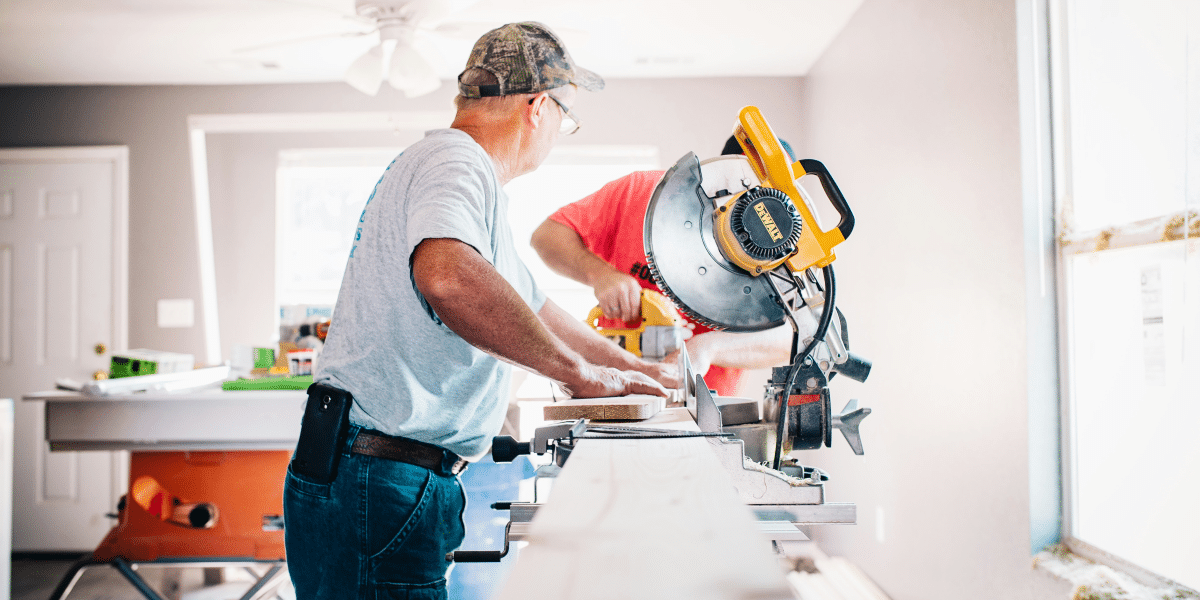
Develop basic DIY skills to handle minor repairs and regular maintenance yourself. Resources such as online tutorials, workshops at local hardware stores, and home improvement books can provide valuable knowledge and skills. DIY maintenance can drastically reduce the costs associated with hiring professionals for simple jobs.
Invest in a basic set of tools necessary for common home repairs, which might include a hammer, screwdrivers, pliers, and a drill. Start with essential projects that have a low risk of complications, such as painting or simple plumbing fixes, to build your confidence and capabilities.
-
Use High-Quality Materials
When repairs are necessary, opt for high-quality materials that may cost more upfront but will last longer and offer better durability. This reduces the frequency of replacements and repairs in the future, saving money in the long run.
Evaluate the cost versus the value added by higher-quality materials. In many cases, investing a little more initially can lead to significant savings on maintenance and energy costs, and even increase your home’s value. This approach is particularly important for critical elements like roofing and windows.
-
Monitor Home Energy Efficiency
Improving your home’s energy efficiency can lead to significant savings in utility bills. Consider upgrades like adding insulation, sealing leaks, and installing energy-efficient windows. These improvements reduce energy consumption, which not only saves money but also enhances the comfort and value of your home.
Invest in energy-efficient appliances and systems when it’s time for replacements. Look for products with Energy Star ratings to ensure they meet energy efficiency guidelines. Although these may come with a higher initial cost, the savings in energy bills will cover and exceed the investment over time.
-
Plan for Large Projects in Advance
For larger projects, such as roof replacements or major renovations, start planning and saving well in advance. Create a detailed budget that includes all potential costs and begin setting aside money as early as possible. This proactive planning helps spread the financial impact over a longer period, making it more manageable.
Time major repairs for off-season periods when contractor demand is lower. This timing can result in better rates and faster project completion. Additionally, planning repairs during these times can prevent the exacerbation of issues that typically become more problematic with seasonal changes.
-
Take Advantage of Off-Season Pricing
Hiring contractors during their off-season—typically winter for many regions—can lead to lower costs and better service due to decreased demand. This timing allows you to negotiate better prices and terms. Research the best times to schedule specific projects in your area to maximize savings.
During slow seasons, contractors are often more willing to negotiate on price and terms. Don’t hesitate to ask for discounts or better terms during these periods. Being flexible with your schedule can leverage additional savings when contractors are seeking more business.
-
Utilize Tax Credits and Rebates
Explore tax credits, rebates, and incentives available for certain types of home improvements, particularly those related to energy efficiency. Many governments and utility companies offer financial incentives for upgrades like solar panels, insulation improvements, and energy-efficient windows.
Summary
This article has provided comprehensive strategies for saving money on home repairs and maintenance. From setting up a dedicated savings fund and learning DIY skills to planning large projects and utilizing tax credits, these tips will help you manage home upkeep costs effectively.
By proactively managing your home maintenance fund and staying informed about potential savings opportunities, you can ensure that your home remains in great condition while keeping expenses manageable. Remember, regular maintenance not only saves money but also increases your home’s value and enhances your living experience.
Published by: Holy Minoza