
By: Identity Amplified
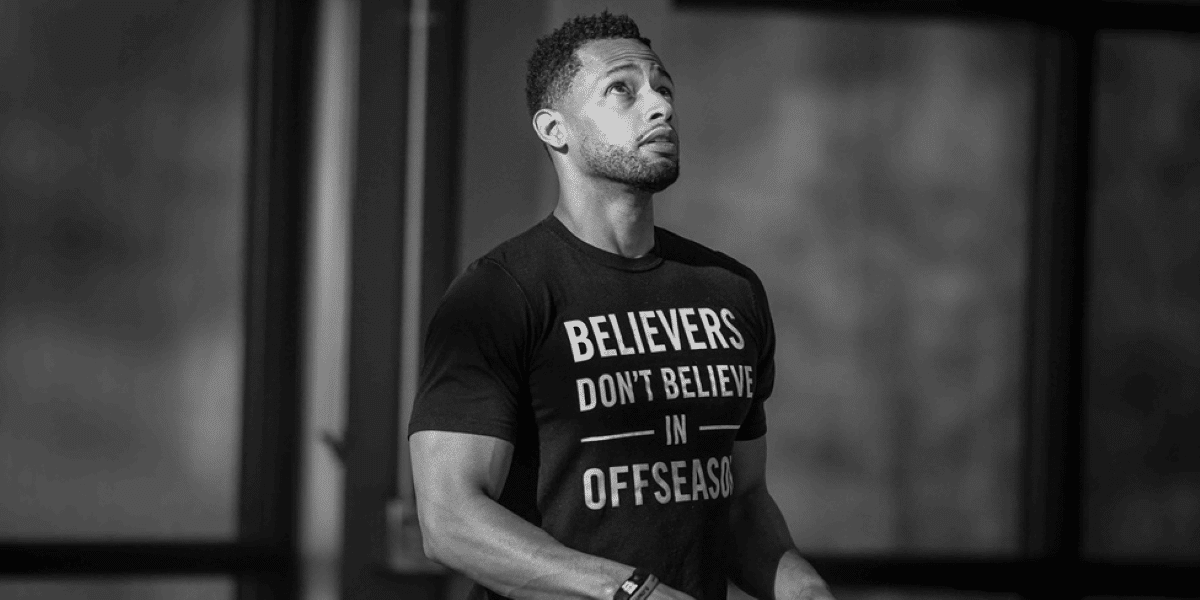
In an era where mental resilience is often overshadowed by physical prowess, Nick Graham emerges as a beacon of hope and guidance. His latest literary endeavor, ‘The Underdog,’ is more than just a book; it is a manifesto for those striving to overcome adversity, a guide tailored for individuals caught in the throes of competition, be it in sports or life’s multifaceted arenas. Drawing upon his personal experiences and the challenges faced by those he mentored, Graham underscores an essential truth that lies at the heart of any quest for success: the battle is predominantly mental.
Nick’s conviction stems from introspection and a realization that being neutral in situations demanding change makes one complicit. “You know, if you’re not part of the solution, then you’re part of the problem,” he states with unwavering clarity. This acknowledgment sparked his journey to pen ‘The Underdog,’ aimed at arming individuals with psychological tools and resources crucial for navigating their battles.
Through his work with athletes like George Condit at Iowa State—who battled profound depression—and Talon Horton Tucker’s struggle with transitioning pressures from high school to college basketball, Graham recognized a gaping void in mental health support. These experiences illuminated how pivotal mental fortitude is in complementing physical capabilities. Lindell Wiginton’s journey to play for the Milwaukee Bucks further solidified Graham’s belief in addressing mental challenges to harness true potential.
‘The Underdog’ serves as both a mirror and window—encouraging readers to reflect on their struggles while providing glimpses into how adversities can sculpt indomitable spirits. One of its powerful messages posits that a person’s most challenging times are not designed to break them but to forge stronger versions of themselves. “How can you be tough if you don’t go through tough times?” Graham questions rhetorically, challenging conventional narratives around strength and resilience.
Graham does not shy away from discussing vulnerabilities; instead, he embraces them as integral components of growth and toughness development. The essence of toughness, as portrayed in his narrative, transcends physicality—it’s about showing up and facing adversities head-on rather than evading them.
Acknowledging that competitors often grapple with trust issues—stemming perhaps from intense pressures or solitary struggles—’The Underdog’ aims to bridge this gap. It seeks to offer solace and understanding where traditional coaching might falter due to time constraints or overwhelming focus on competitive outcomes.
‘Rise above when you feel below,’ encapsulates not only Graham’s ethos but also serves as a rallying cry for anyone wrestling with self-doubt or external pressures. This quote symbolizes the core message woven throughout ‘The Underdog’—a testament to resilience, perseverance, and transformative growth through adversity.
Graham’s insights extend beyond mere anecdotes; they are lifelines thrown to those adrift in uncertainty or despair. His social media platforms (@inspiredbynickgraham) and website provide additional resources for those seeking inspiration or guidance beyond the pages of his book.
‘The Underdog’ stands as a compelling narrative merging vulnerability with victory—a testament to the human spirit’s capacity to transcend trials through mental fortitude and inner strength. It beckons readers not just to endure their battles but to embrace them as catalysts for becoming formidable contenders in life’s vast arena.
In crafting this manuscript, Nick Graham has not merely written a book; he has forged an indispensable companion for anyone yearning to turn their underdog story into one of triumph. With each page turned, readers are invited on an introspective journey—one that promises not just enlightenment but empowerment—to rise above when they feel below.
Published by: Martin De Juan