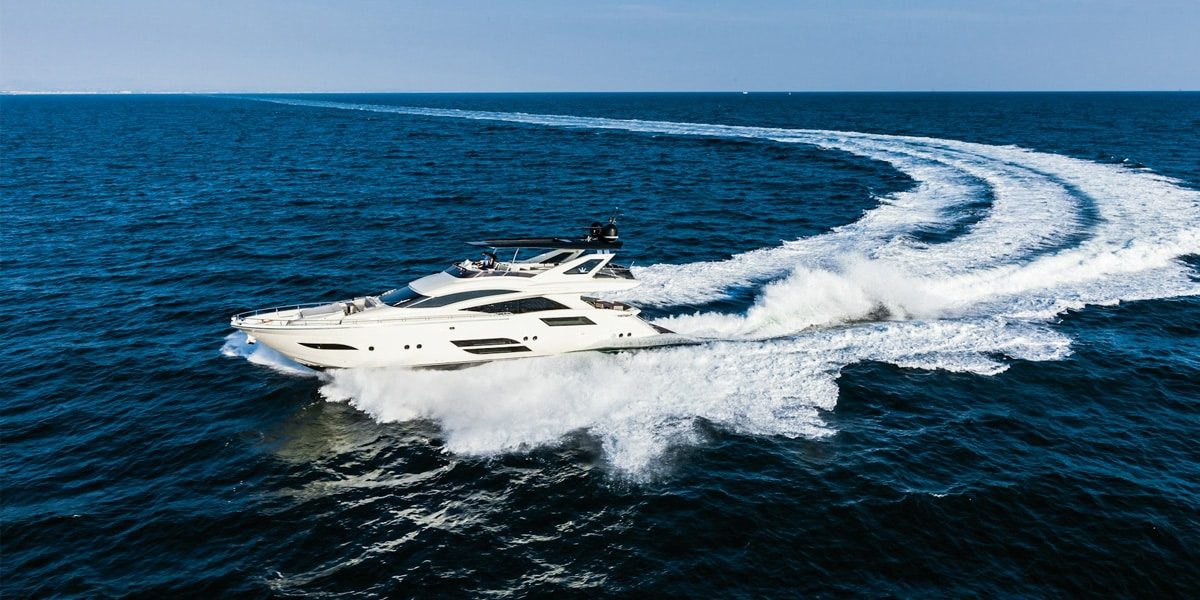

Shipping a boat requires careful planning and precise measurements to ensure a smooth and hassle-free transportation process. Whether you’re moving your boat domestically or internationally, accurate measurements are crucial for determining shipping costs, selecting the right carrier, and ensuring that your vessel arrives safely at its destination. In this guide, we’ll explore the process of properly measuring your boat before shipping, along with essential tips to help you navigate the shipping process with confidence.
Joe Webster is a renowned figure in the auto transport industry, known for his expertise and dedication. As the founder of A-1 Auto Transport, his company has garnered a reputation for providing reliable and efficient vehicle shipping services across the United States.
Tony Taylor is the founder and CEO of A-1 Auto Transport, a renowned vehicle shipping company specializing in domestic and international transportation services. With over 30 years of experience, A-1 Auto Transport has established itself as a trusted name in the industry.
Understand Shipping Requirements
Before diving into measurements, familiarize yourself with the shipping requirements of your chosen career or shipping company. Different carriers may have specific guidelines regarding acceptable boat dimensions, weight limits, and packaging specifications. By understanding these requirements upfront, you can ensure that your measurements align with the shipping company’s guidelines, avoiding potential issues during the transportation process.
Gather Necessary Tools
To accurately measure your boat, you’ll need a few essential tools:
- Measuring tape or ruler: For measuring length, width, and height.
- Level: To ensure accurate horizontal measurements.
- Pen and paper: For recording measurements and notes.
- Camera: Optionally, take photos to document the condition of your boat before shipping.
Having these tools readily available will streamline the measuring process and help you capture precise dimensions.
Measure Length, Width, and Height
Begin by measuring the total length, width, and height of your boat. Utilize a measuring tape or ruler to gather these measurements, making sure to measure from the outermost points of the boat’s exterior:
- Length: Measure from the tip of the bow to the stern.
- Width: Measure across the widest part of the boat, typically at the beam.
- Height: Measure from the lowest point of the hull to the highest point of the boat, including any protrusions such as antennas or masts.
Record these measurements accurately, rounding up to the nearest inch or centimeter to ensure that you have sufficient clearance for transportation.
Consider Special Features
If your boat has special features such as a T-top, outriggers, or swim platforms, be sure to measure these separately and account for their dimensions when calculating the overall size. These features may add to the height, width, or length of your boat and could impact shipping costs or require special handling during transportation.
Account for Trailers and Cradles
If you plan to ship your boat on a trailer or cradle, it’s essential to measure these components as well. Measure the trailer’s length, width, and height, including any extensions such as tongues or hitches. Additionally, measure the boat’s dimensions while on the trailer, as this will impact the total height and may require adjustments during shipping.
Check Weight Distribution
In addition to measuring dimensions, consider the weight distribution of your boat. Ensure that the weight is evenly distributed to prevent imbalance during transportation, which could lead to safety hazards or damage to your vessel. If necessary, redistribute weight or secure loose items to maintain balance during shipping.
Document Condition
Before shipping your boat, take photos or videos to document its condition. This documentation serves as a reference point in case of any damage during transit and can help resolve disputes with the shipping company or insurance provider. Capture images of the exterior and interior, focusing on any existing scratches, dents, or other visible damage.
Consult with Shipping Experts
If you’re unsure about any aspect of the measuring process or shipping requirements, don’t hesitate to consult with shipping experts or professionals in the industry. They can offer invaluable guidance and personalized advice to meet your specific requirements, assisting you in navigating the shipping process with assurance.
Verify Legal Restrictions
Before finalizing your measurements and shipping arrangements, it’s crucial to verify any legal restrictions or regulations that may apply to transporting your boat. This is especially important for international shipments, where customs regulations and import/export laws may vary depending on the destination country. Research any permits, licenses, or documentation required for shipping your boat across borders, and ensure that your vessel complies with all relevant regulations.
Consider Packaging and Protection
In addition to accurate measurements, consider the packaging and protection of your boat during shipping. Depending on the transportation method and distance, you may need to secure your boat with shrink wrap, protective covers, or padding to prevent damage from road debris, weather elements, or handling during transit. Work with your shipping company to determine the appropriate packaging options and ensure that your boat is adequately protected throughout the shipping process.
Conclusion
Properly measuring your boat before shipping is essential for ensuring a smooth and successful transportation experience. By following the process outlined in this guide and adhering to shipping guidelines, you can accurately determine your boat’s dimensions, select the appropriate carrier, and safeguard your vessel throughout its journey. With careful planning and attention to detail, you can enjoy peace of mind knowing that your boat will arrive safely at its destination.
Published By: Aize Perez